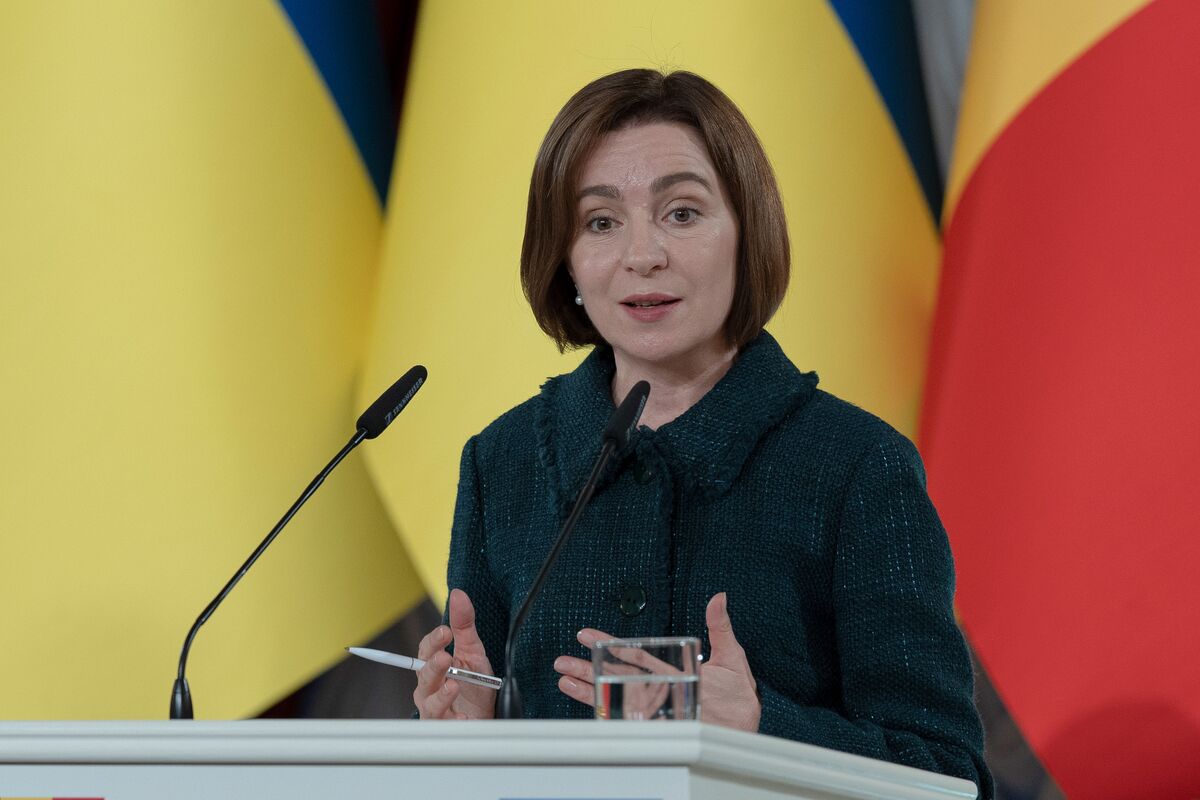
Germany, France, and Poland are set to bolster support for Moldova's pro-European leadership, with German Chancellor Merz, French President Macron, and Polish Prime Minister Tusk meeting President Maia Sandu in Chisinau. This coordinated effort is driven by mounting concerns that next month's parliamentary elections could yield a strong result for pro-Russian parties, potentially hindering Moldova's strategic pivot to the West and signaling a concerted European push to counter Moscow's influence in the region.
The coordinated visit of German, French, and Polish leaders to Chisinau represents a significant strategic intervention by key European Union powers to reinforce Moldova's pro-Western government. This high-level diplomatic support for President Maia Sandu is explicitly timed ahead of next month's parliamentary elections, underscoring European concerns over a potential electoral gain by pro-Russian parties. Such an outcome would threaten to derail Moldova's pivot toward the West, a key objective for both Moldovan leadership and the EU. The event highlights a defensive geopolitical maneuver aimed at containing Moscow's influence in Eastern Europe and signals a commitment to bolstering the stability and Western alignment of nations on the EU's periphery.
AI-powered research, real-time alerts, and portfolio analytics for institutional investors.
Request DemoOverall Sentiment
mildly positive
Sentiment Score
0.30
