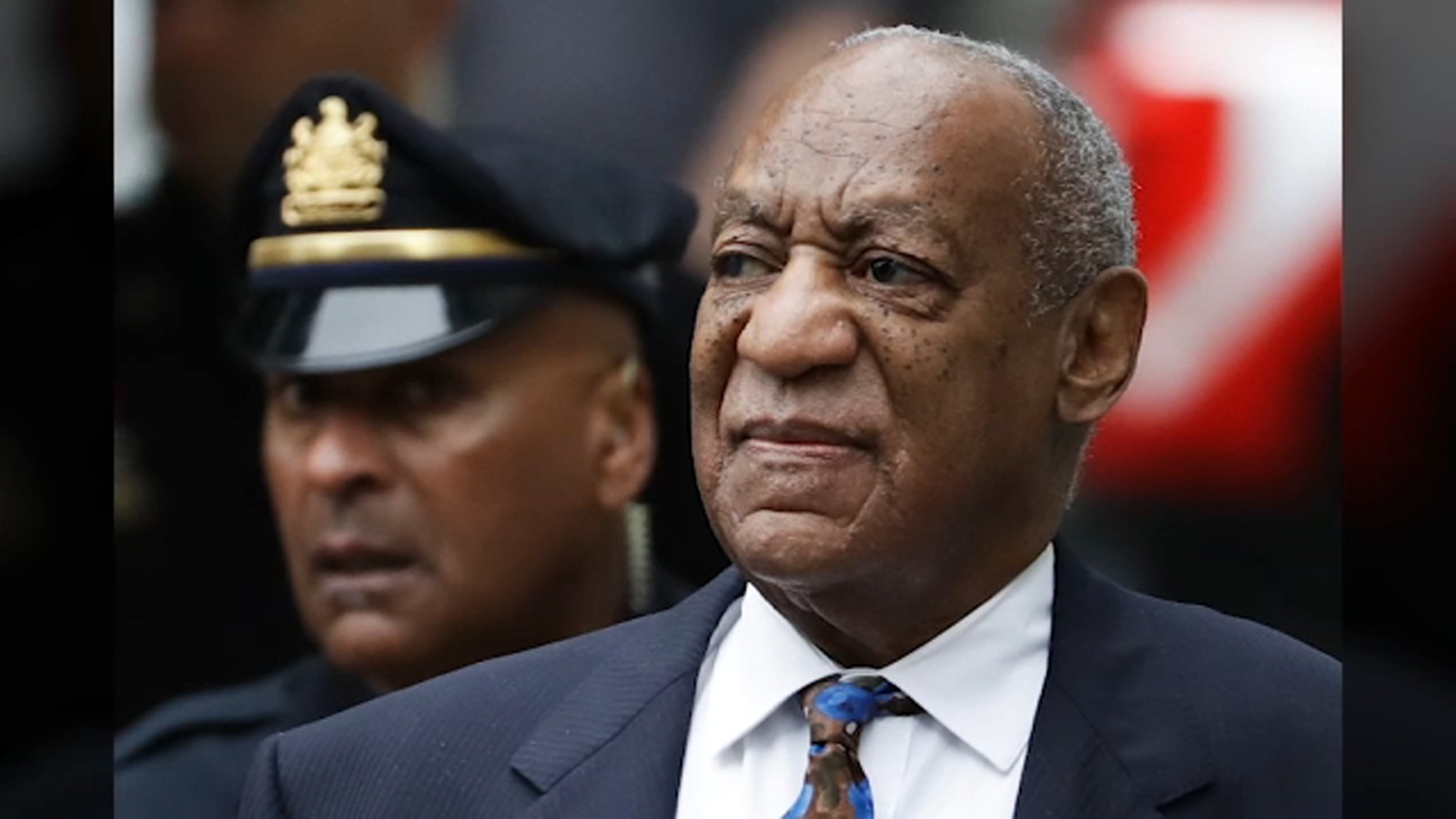
Jury awarded $59.25M to Donna Motsinger — $17.5M in past damages, $1.75M for future damages, and $40M in punitive damages — finding Bill Cosby liable for a 1972 sexual assault. Cosby's attorneys said they will appeal; the verdict follows his criminal conviction being overturned and sits alongside other civil settlements. Financially material to the parties involved but immaterial to broad markets, with primary implications for reputational and legal exposure in the media/entertainment sphere.
This verdict reinforces a persistent litigation vector that bidders for legacy celebrity IP must price explicitly: juries in plaintiff-friendly venues can produce large nominal awards that trigger protracted appeals and collateral insurance battles rather than immediate cash transfers. Expect two legal mechanisms to dominate outcomes over the next 6–24 months — insurer coverage disputes (occurrence vs claims-made language) and lien/collection actions against estates or related corporate entities — both of which materially slow cash flows to counterparties and reduce near-term recoverable value of contested IP.
Operationally for media owners and streaming platforms, the direct earnings hit is likely concentrated and front-loaded: accelerated contract renegotiations, temporary delisting or ad blacklisting, and increased indemnity demands from licensors. These frictions compress licensing multiples for shoulder-year catalog deals and raise transactional frictions (longer diligence, escrow requirements) that will show up as higher working capital and impairment risk in next-quarter filings for smaller, library-reliant companies.
From a market-structure perspective, the second-order winners are parties with pricing power to demand stronger contractual protections — large streamers, major studios, and well-capitalized insurers — while small networks, boutique distributors, and any vehicle that monetizes archival content without deep balance sheets are the weakest link. A key contrarian point: large headline awards often have low collectability for elderly defendants and are frequently reduced or vacated on appeal; equity reactions should therefore distinguish between headline legal risk and recoverability/insured loss exposure rather than treating every verdict as a terminal economic event.
AI-powered research, real-time alerts, and portfolio analytics for institutional investors.
Request DemoOverall Sentiment
neutral
Sentiment Score
0.00
