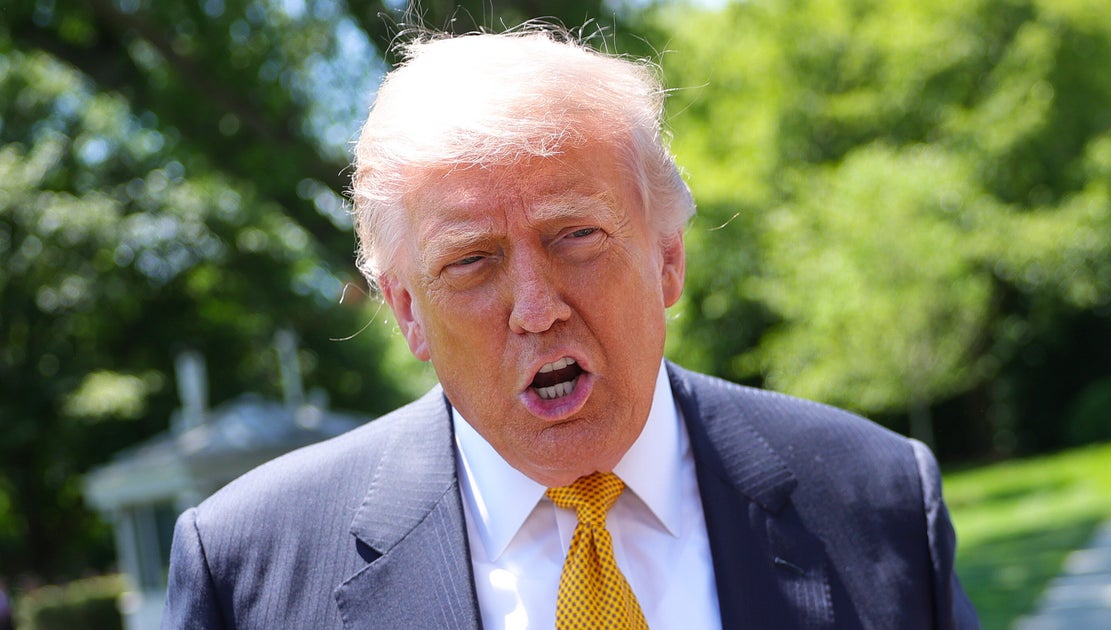
Trump said Americans’ financial situations are "not even a little bit" of a factor in his Iran-war decision-making, emphasizing that preventing Iran from obtaining a nuclear weapon is his sole motivation. The article notes consumer prices and gas prices have surged 50% since the conflict began, while a CNN/SSRS poll found 77% of Americans blame Trump’s policies for higher living costs and 70% disapprove of his handling of the economy. The comments reinforce geopolitical risk around the conflict and keep pressure on inflation-sensitive sectors, especially energy.
The market implication is not the headline rhetoric, but the policy prioritization it reveals: geopolitics is now a one-issue framework, which keeps the probability of a fast diplomatic off-ramp low and extends the duration of the energy shock. That shifts this from a one-day crude spike to a multi-month inflation impulse, because gasoline is the most visible transmission channel into consumer sentiment and wage demands. The second-order effect is a higher-for-longer policy mix: even if growth softens, the political incentive to tolerate tighter financial conditions rises when the administration is publicly de-linking war policy from household pain.
Energy-sensitive cyclicals are the immediate losers. Airlines, trucking, discretionary retail, and small-cap consumer names face margin compression first, but the more important effect is at the index level: if fuel remains elevated for 6-12 weeks, consensus EPS for broad market sectors gets revised down just as midterm narratives harden. The strange setup is that the pain may be broad enough to hurt risk assets while still not being large enough to force a policy reversal quickly, which creates a window where the inflation trade can persist longer than macro desks expect.
The contrarian read is that the move in gasoline/inflation expectations may already be doing some political work, making further price spikes less mechanically bullish for crude because they raise the odds of backchannel de-escalation or strategic inventory action. In other words, the market is pricing a clean geopolitical escalation path, but the more prices visibly damage domestic approval, the more likely the regime responds with symbolic or tactical steps that cap upside. The asymmetric setup is therefore not to chase energy beta indiscriminately, but to express the view through beneficiary/loser pairs and optionality around a 1-3 month policy response window.
AI-powered research, real-time alerts, and portfolio analytics for institutional investors.
Request DemoOverall Sentiment
moderately negative
Sentiment Score
-0.45
