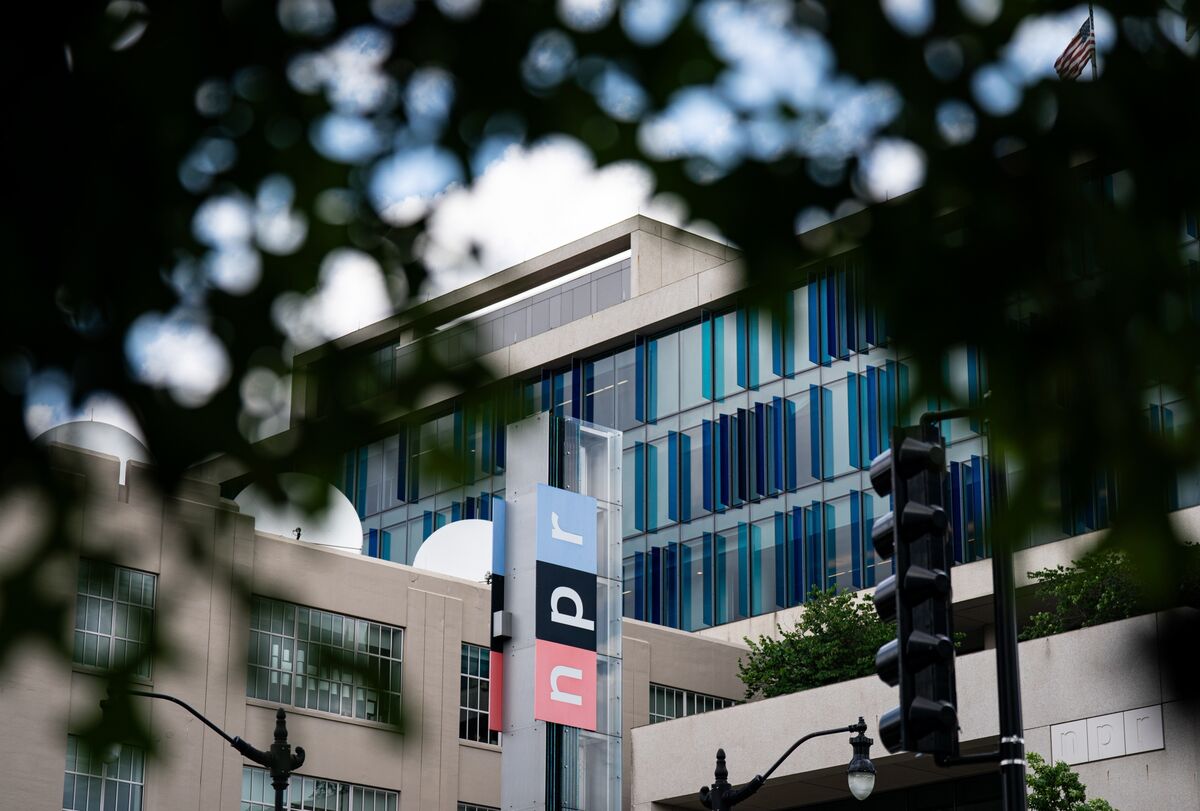
The House approved a $9 billion spending cut package by a narrow 216-213 vote, effectively terminating a half-century of federal funding for public television and radio (PBS, NPR). This legislative action, reportedly inspired by Elon Musk’s Department of Government Efficiency task force, marks a significant shift in federal expenditure policy and signals a move towards fiscal streamlining.
The U.S. House of Representatives has passed a $9 billion spending cut package, effectively ending a 50-year precedent of federal funding for public media organizations PBS and NPR. The legislation's extremely narrow 216-213 approval highlights a deeply polarized political environment. This fiscal tightening is reportedly inspired by a 'Department of Government Efficiency' (DOGE) task force linked to Elon Musk, with the article noting a vow for more such bills, suggesting this could be the start of a broader trend in fiscal policy. Despite the significant political nature of this event, which carries a mildly negative sentiment, its direct market impact is assessed as low. This is primarily because the affected entities are non-profit organizations, and no publicly traded companies are directly implicated in the funding change. The event's primary significance for capital markets is as a bellwether for potential future spending cuts and a shift in fiscal priorities rather than an immediate, direct impact on corporate valuations.
AI-powered research, real-time alerts, and portfolio analytics for institutional investors.
Request DemoOverall Sentiment
mildly negative
Sentiment Score
-0.30
