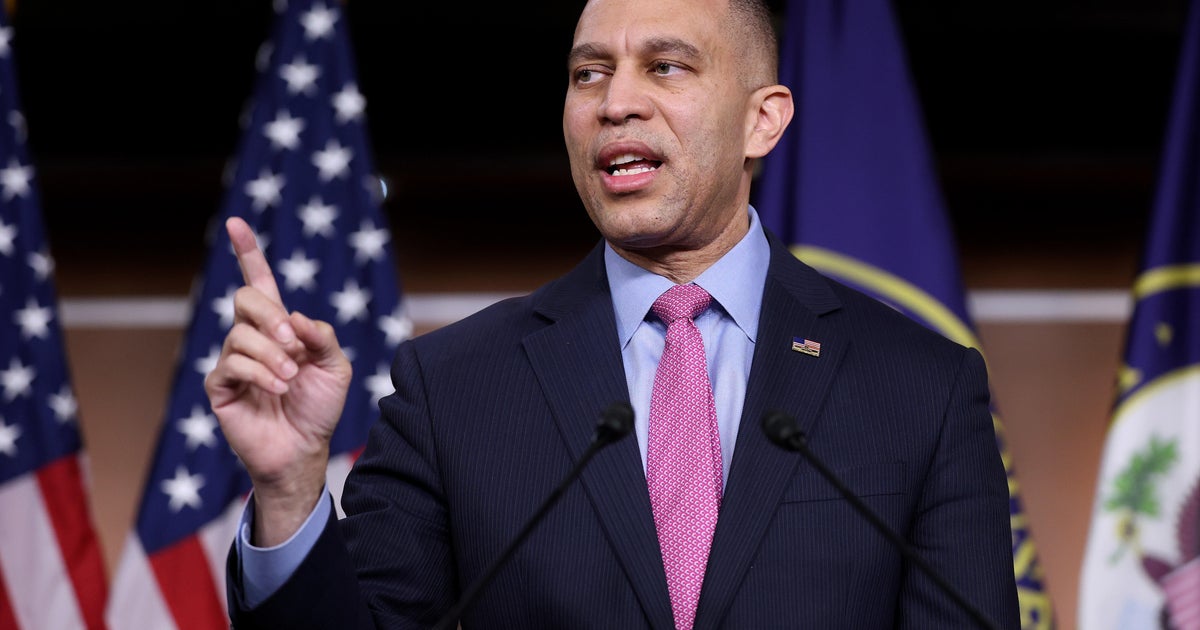
Congress is in a standoff over Department of Homeland Security funding and proposed reforms to immigration enforcement, with a short-term continuing resolution approved only through Feb. 13 and funding set to lapse on Feb. 14 absent a deal. Senate Democrats have pushed measures imposing guardrails on ICE and CBP — including no-mask rules, visible ID/body cameras and judicial-warrant requirements — which Republicans have criticized as unacceptable, though some GOP members back limited measures like mandatory body cameras. The impasse raises political and operational uncertainty for DHS agencies (Coast Guard, FEMA, TSA could face shutdown effects), while ICE and CBP operational funding remains insulated by prior appropriations, limiting immediate market fallout but creating targeted political and contractor risk.
Market structure: The immediate winners are vendors of body cameras, surveillance, and analytics (Axon - AXON; Palantir - PLTR; Motorola Solutions - MSI) if mandates gain traction; DHS primes (Leidos, Booz Allen) could see modest contract re‑ratings. Losers in a short DHS lapse are TSA-dependent travel names (AAL, UAL) and small DHS‑reliant services firms whose cashflows hinge on ongoing awards; large defense primes (LMT, NOC) see limited direct revenue impact but could gain from any reallocation to security tech. Expect modest re-pricing: incremental revenue upside for body-cam vendors of ~2–5% of FY revenue over 12–18 months if mandates are federally funded.
Risk assessment: Tail risks include a Feb 14 funding lapse triggering operational disruptions for TSA/Coast Guard (days) or a protracted showdown that delays DHS contract awards for months; both raise idiosyncratic execution risk for midcap contractors. Short-term (days–weeks) political headlines will drive volatility; medium-term (1–3 months) legislation text governs winners (mandates vs. warrant rules). Hidden dependency: many ICE/CBP operational vendors already funded from last year’s bill, so market fear may overshoot real revenue impact — watch contract award pipelines and DHS procurement notices as leading indicators.
Trade implications: Tactical long bias to security-tech (AXON, PLTR, MSI) sized 1–3% positions with 6–12 month horizons; protect airline exposure with short-dated (Feb/Mar) puts around Feb 14. Relative trades: overweight large, diversified defense primes (LMT) vs. underweight small DHS‑dependent contractors (midcap services) to capture flight-to-quality and contract slippage. Fixed income: allocate 1–2% to short-duration Treasuries (SHY) into the Feb 14 window — expect safe‑haven bids if the impasse escalates.
Contrarian angles: Consensus assumes a damaging DHS shutdown; history shows targeted department lapses often produce headline volatility but limited long‑term revenue loss for contractors due to stopgaps and prior appropriations (this time ICE/CBP already funded). Reaction may be overdone in small DHS‑dependent names — use event-driven long picks post-lapse if contracts resume. Unintended consequence: stringent oversight (warrants/body-cams) could increase per‑agent tech spend, benefiting surveillance/analytics suppliers more than traditional uniform‑goods vendors.
AI-powered research, real-time alerts, and portfolio analytics for institutional investors.
Request DemoOverall Sentiment
moderately negative
Sentiment Score
-0.30
