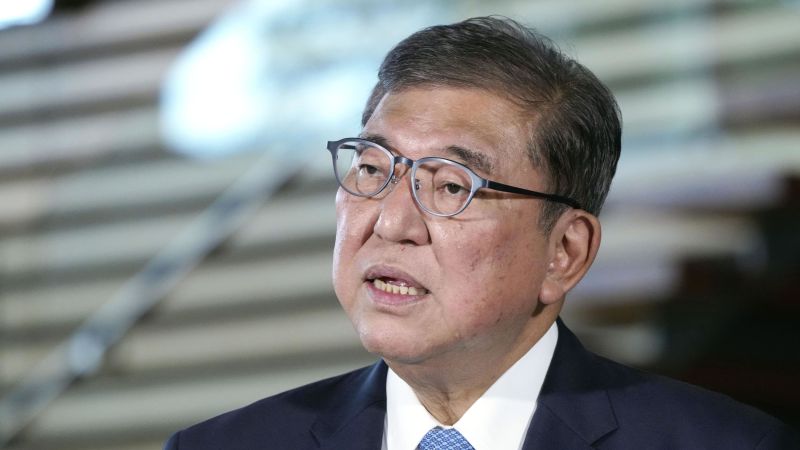
Japanese Prime Minister Shigeru Ishiba has decided to resign to prevent a split within the ruling Liberal Democratic Party (LDP), according to public broadcaster NHK. This decision follows the LDP-led coalition's loss of its parliamentary majority since coming to power last year, amid growing voter discontent over rising living costs. LDP lawmakers are scheduled to vote Monday on an extraordinary leadership election, with Ishiba's government having recently finalized a trade deal with the United States.
The impending resignation of Japanese Prime Minister Shigeru Ishiba introduces a period of significant political uncertainty for Japan. This development, driven by a need to prevent a schism within the ruling Liberal Democratic Party (LDP), follows the coalition's loss of its parliamentary majority, which itself was a direct consequence of public discontent over rising living costs. The forthcoming LDP leadership election creates a policy vacuum, casting doubt on the continuity of the administration's agenda. This uncertainty is particularly notable given the government just finalized a trade agreement with the United States last week. The stability of this deal and other future economic policies will now depend heavily on the priorities of the succeeding leadership, elevating near-term political risk for Japanese assets.
AI-powered research, real-time alerts, and portfolio analytics for institutional investors.
Request DemoOverall Sentiment
moderately negative
Sentiment Score
-0.50
