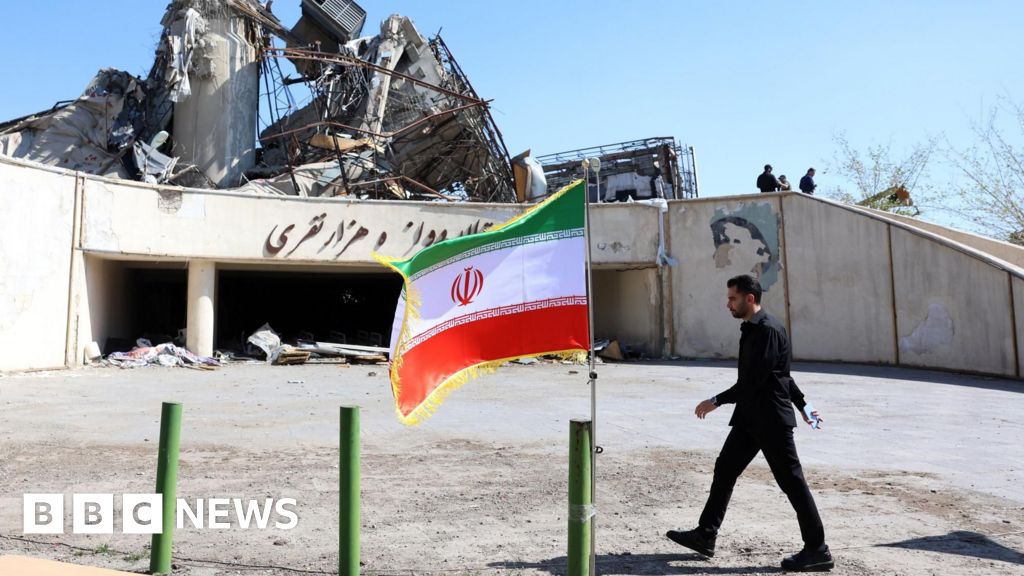
US President Trump threatened strikes on Iran's power plants and bridges with a public deadline (20:00 ET Tuesday), raising a material risk of nationwide energy and water outages. The BBC reports civilians fear severe humanitarian and economic fallout; HRANA cites at least 6,508 protesters killed and 53,000 arrested during earlier unrest, while businesses face layoffs and cash strain (a restaurant reports rent of 200m tomans ≈ $1,270 vs average monthly salaries of $200–$300). Internet access is costly and constrained (Telegram sellers charging ≈ $6/1GB; Starlink use criminalised), amplifying social instability and regional market risk to energy and risk assets.
Attacks on civilian energy and transport infrastructure create a cascading domestic shock: short-duration outages quickly translate into lost output for SMEs, layoffs, and collapsed consumption in cash-poor economies, amplifying sovereign and local banking stress within weeks. That domestic demand drop propagates to trade flows — importers delay orders, ports see lower throughput, and corporate cash conversion cycles lengthen, pressuring regional EM liquidity and FX where reserves are thin.
On global markets the most immediate mechanical effects are higher war-risk premia on tanker and freight insurance and rerouting that raises voyage days; expect VLCC/time-charter-equivalent rates to spike before crude prices move materially, benefiting owners of on-the-water tonnage. Oil-price spikes are likely to be volatile and front-loaded: US shale and SPR responses can blunt a sustained rally within 1–3 months, so the optimal exposure is to short-duration instruments or option structures rather than long cash positions.
Defense, power-generator OEMs, and satellite-comms providers are asymmetric beneficiaries over 6–24 months as governments accelerate procurement and private actors seek resilient comms and backup power. Conversely, regional insurers/reinsurers and consumer-facing EM equities face multi-month earnings drag from higher claims and collapsing discretionary spend. Key reversals: any credible diplomatic de-escalation, large coordinated SPR release, or a rapid insurance-market accommodation (underwriting capacity influx) would materially compress premia and unwind the short-term trades.
AI-powered research, real-time alerts, and portfolio analytics for institutional investors.
Request DemoOverall Sentiment
strongly negative
Sentiment Score
-0.80
