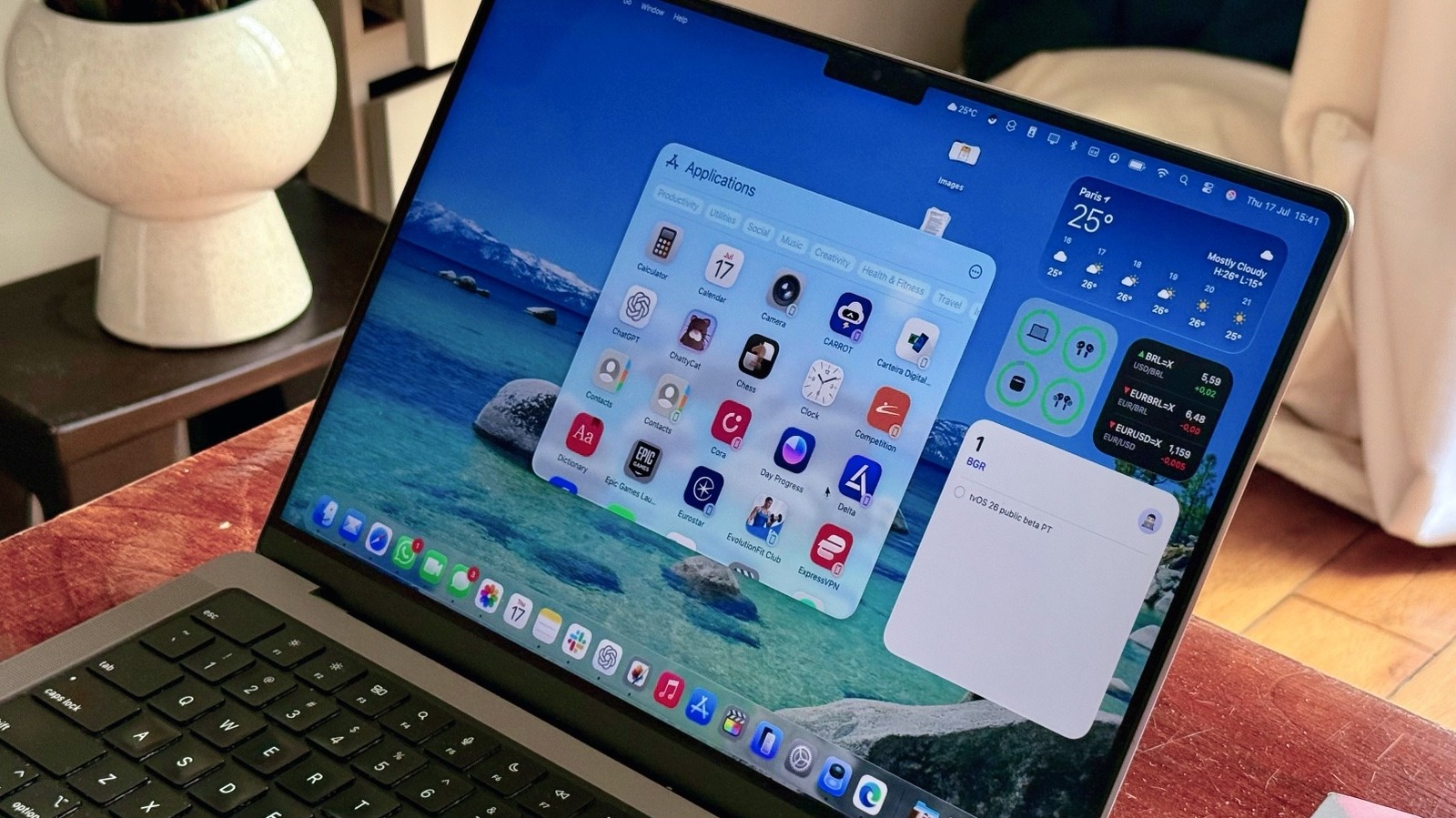
Apple is reportedly preparing near-term launches of M5 Pro and M5 Max MacBook Pro models aligned with macOS 26.3 (likely Feb–Mar), an M5 MacBook Air, and a second‑generation Studio Display featuring Mini‑LED, ProMotion (up to 120Hz), HDR and an A19 processor; current M4/M4 Pro stock shortages suggest production is shifting to the new units. The updates emphasize stronger GPU and per‑core Neural Accelerator performance and higher RAM support, which could catalyze an upgrade cycle, modestly lift near‑term revenue/ASPs and affect supplier inventory and production allocations.
Market structure: Apple (AAPL) is the clear near-term beneficiary — new M5 Pro/Max MacBook Pros, M5 MacBook Air and Studio Display 2 lift ASPs and GPU/AI positioning and should support Mac revenue growth in Feb–Mar and into H1 2026. Winners also include mini‑LED/panel suppliers and foundries (upstream capacity scarce); losers are Intel (INTC) exposed to slower Apple-driven PC replacement cycles and non-Apple OEMs competing on Windows laptops. Constrained online/retail inventory and shipping dates (late Feb/early Mar) signal supply is being reallocated to new SKUs, implying tight near-term supply/demand and potential upside to gross margins if sell-through is healthy.
Risk assessment: Primary tail risks are component yield/TSMC capacity problems, mini‑LED supply shortages, and an unexpected macro demand shock; regulatory/antitrust interventions are lower probability but high impact over 6–24 months. Immediate catalysts are macOS 26.3 release and shipping-date changes in the next 2–4 weeks; short-term risks (weeks–months) include launch execution and inventory hangover, while long-term (quarters–years) hinge on Apple silicon roadmap (M6) and channel replacement cycles. Hidden dependency: Apple’s upgrade cycle elasticity is highly sensitive to perceived substantive improvements — AI/GPU gains matter more for prosumers than casual users.
Trade implications: Tactical: establish a 2–3% long AAPL equity position ahead of the Feb–Mar window or buy defined‑risk call spreads (3‑month, 5–12% OTM) to capture launch upside while limiting capital at risk. Pair trade: go long AAPL (2%) vs short INTC (1–1.5%) to express Apple‑specific upside vs Intel’s limited exposure to Apple silicon; rebalance if AAPL moves >+8% or INTC moves <-8%. Use covered-call overlays on new longs post-launch to monetize IV if shares rally >5%.
Contrarian angles: Markets may underprice migration from Intel/M1 users to M5 Air — a conservative model implies a 3–5% incremental Mac revenue lift over two quarters if conversions accelerate, which is not fully reflected in current multiples. Conversely, the Studio Display 2 could create channel inventory risk (high ASP device) leading to temporary margin pressure if sell‑through lags; watch supplier order flows for early signs in 2–6 weeks. The consensus bullishness on Apple hardware upgrades may be underdone in supplier equities and slightly overdone in broad semiconductor longs tied to Intel’s PC cycle.
AI-powered research, real-time alerts, and portfolio analytics for institutional investors.
Request DemoOverall Sentiment
mildly positive
Sentiment Score
0.35
Ticker Sentiment
