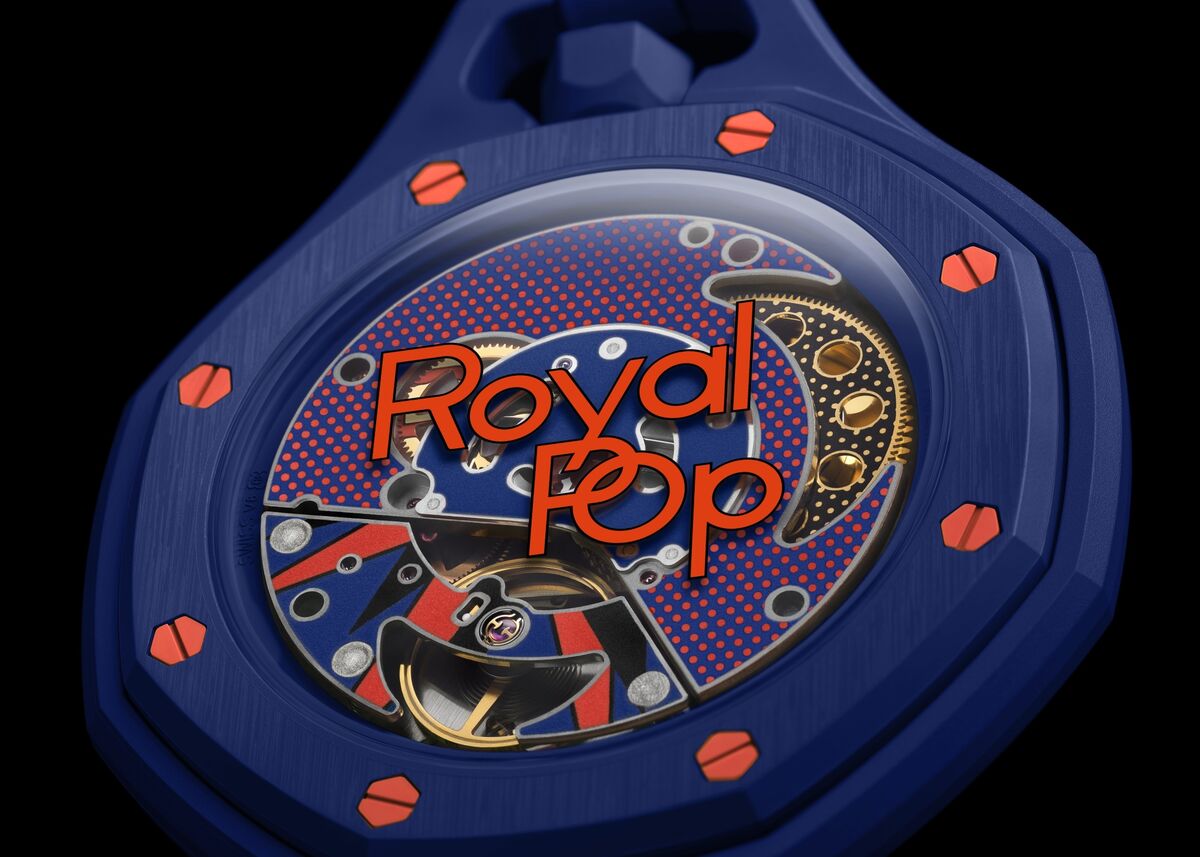
The article describes chaos around the launch of the AP and Swatch collaboration, with the product sale going awry. The piece is more about execution problems than financial performance, but it highlights a mismanaged rollout for a high-profile watch launch. Market impact is likely limited, though it may mildly affect brand perception and consumer demand near term.
This is less about a single messy drop and more about brand-control risk: when scarcity is the product, execution failures destroy the very premium the collaboration is trying to create. The immediate loser is the partner that depends on hype and orderly allocation to preserve desirability; the second-order loser is every future limited-edition collaboration in the category, because consumers quickly learn that launch-day chaos is not a feature but a tax on participation.
The more interesting effect is on the authorized-retail channel. If buyers conclude that launches are arbitrary or inaccessible, demand doesn’t disappear — it migrates to secondary markets and gray channels, compressing the margin capture of the official ecosystem while enriching flippers and marketplace intermediaries. Over the next few quarters, that can weaken the price discovery mechanism for future drops and raise the bar for pre-announced collaborations to generate credible sell-through.
The contrarian view is that the reputational damage may be less durable than headlines imply. In hype-driven luxury/collectibles, frustration can actually reinforce cultural relevance if the product remains scarce and aspirational; the key question is whether the failure is interpreted as proof of demand or proof of incompetence. If the brand can rapidly tighten allocation and communication within the next 30-60 days, the episode may end up supporting, not impairing, long-run demand.
For competitors, this is a reminder that operational excellence is now part of the moat. The beneficiaries are brands with disciplined distribution and low-friction e-commerce, because they can position themselves as the reliable alternative when consumers are burned by lottery-style launches. That is especially relevant in the next season of drops, where a cleaner launch can steal share from a more famous but less dependable partner.
AI-powered research, real-time alerts, and portfolio analytics for institutional investors.
Request DemoOverall Sentiment
mildly negative
Sentiment Score
-0.10
