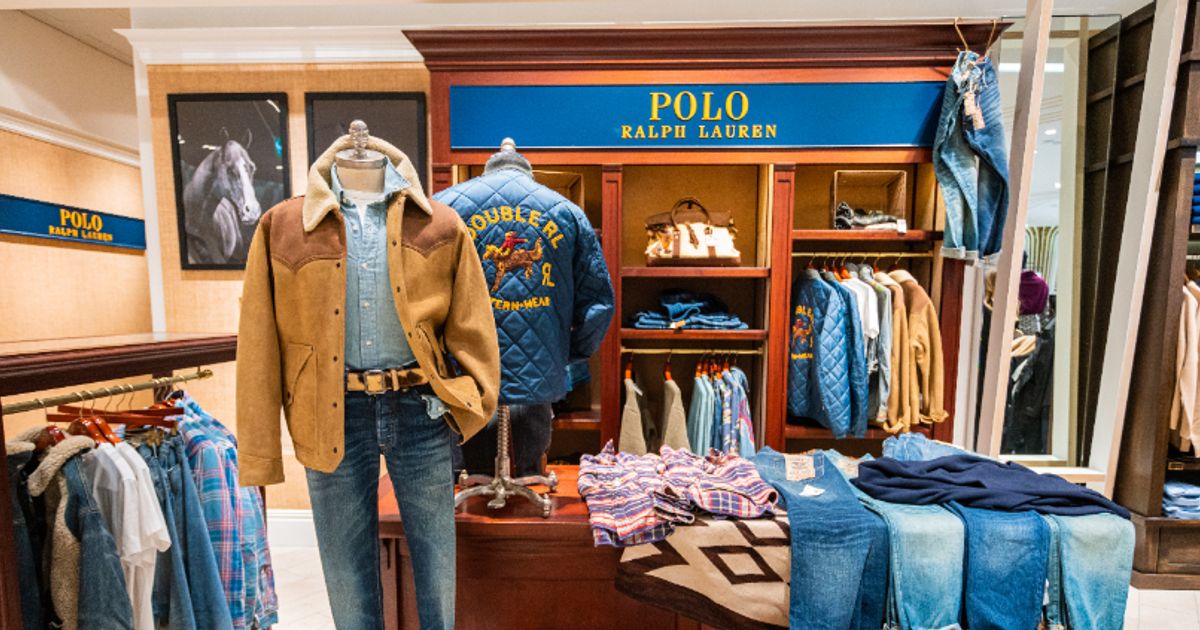
Ralph Lauren reported fiscal Q3 EPS of $5.82 versus consensus $5.78 and revenue of $2.41 billion, up 12% year-over-year, driven by strong holiday demand, high-single-digit global DTC comps and double-digit wholesale growth. The company raised FY26 guidance to high-single- to low-double-digit constant-currency revenue growth and ~100–140 bps operating margin expansion, but warned Q4 operating margin will likely contract ~80–120 bps due to higher U.S. tariffs and increased marketing spend on a seasonally smaller revenue base. Shares tumbled nearly 7% on the Q4 margin caution despite Jefferies reiterating a Buy with a $425 target, as investors weighed near-term margin pressure against stronger-than-expected results and elevated AUR and regional performance.
Market structure: Ralph Lauren (RL) benefits from pricing power and resilient high-income demand (AUR +18% YoY; Asia +20%), while lower-AUR, wholesale-dependent peers and import-reliant suppliers absorb margin pressure from higher US tariffs (RL expects Q4 op margin -80 to -120 bps). The competitive dynamic should widen share to brands that can sell full-price and elevate brands; pure-play wholesale and Euro-exposed retailers (Europe comps slowed to 4%) are relative losers near-term. Supply/demand: continued holiday strength signals demand resilience among top decile consumers, but tariff-driven cost inflation tightens gross margin unless passed through via price or productivity gains.
Risk assessment: Tail risks include tariff escalation (domestic duties rising >200 bps equivalent on COGS), sudden China order disruptions, or a macro consumer pullback that would turn RL’s margin inflection into a multi-quarter issue. Immediate (days) reaction is volatility around the guide; short-term (weeks–months) risks center on Q4 margin execution and marketing ROI; long-term (quarters–years) favors RL if full-year margin expansion of ~100–140 bps materializes. Hidden dependencies: RL’s ability to convert AUR gains into sustained full-price sell-through and the timing of tariff pass-through are second-order drivers. Catalysts: next quarter sales cadence, US tariff announcements (30–90 days), and Europe comps.
Trade implications: Construct a tactical long-biased position in RL sized 2–3% of portfolio, adding to 4–5% if RL < $300 (≈ -10% from $330) and trimming into strength toward Jefferies $425 PT within 9–12 months; set initial stop-loss at -25%. Pair trade: long RL 2% / short TPR 1.5% to capture relative AUR/brand strength (TPR = Tapestry). Options: buy a 9–12 month bull call spread (e.g., 360/440 strikes) to cap premium and target ~30–40% upside; hedge near-term with 3-month puts if RL gaps >15% on tariff headlines. Rotate modest overweight into luxury/leisure names with direct-to-consumer exposure and underweight pure wholesale retailers.
Contrarian angles: The market likely overreacted to a seasonal Q4 margin guide—RL raised full-year revenue and margin targets, implying the company sees H2 recovery; historical parallels (tariff headlines 2018) show 15–25% drawdowns that reversed within 6–12 months as brands passed costs. Consensus may underweight RL’s pricing elasticity and brand elevation (AUR acceleration), so a disciplined buy-the-dip works if tariffs remain capped; unintended consequence is that sustained tariff pass-through could reveal demand elasticity and require larger markdowns, turning a tactical trade into a longer-term risk.
AI-powered research, real-time alerts, and portfolio analytics for institutional investors.
Request DemoOverall Sentiment
mixed
Sentiment Score
0.00
Ticker Sentiment
