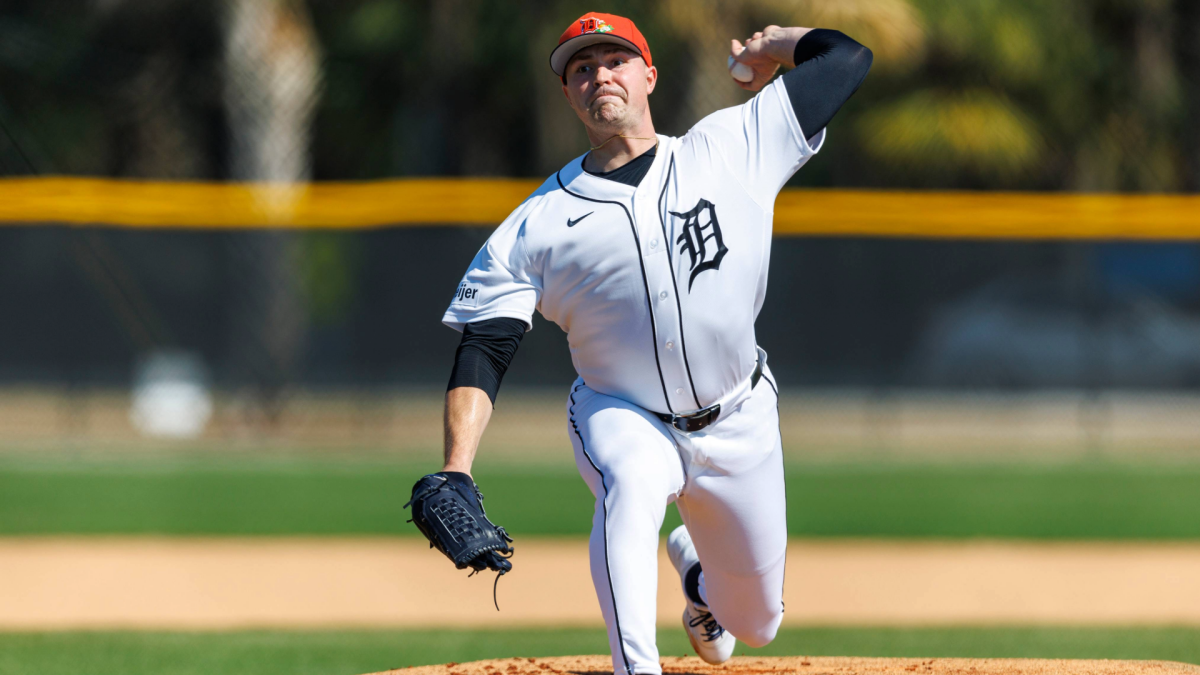
Tarik Skubal is set to undergo elbow surgery and will miss time, but the SportsLine Projection Model says Detroit's projected wins fall only 0.5 to 84.7 from 85.2 with him healthy. The Tigers' odds barely change: AL Central win probability slips from 50.1% to 48.3%, playoff odds from 68.3% to 66.7%, and World Series odds from 5.1% to 4.8%. DraftKings left Detroit at +1800 to win the World Series, while FanDuel lists the Tigers at +2700 and +160 to win the division.
This is less a baseball injury story than a pricing-efficiency story for DKNG. The market is effectively telling us that one elite starter does not move season-long futures much when the team’s win distribution is already being driven by variance in a weak division; that makes the near-term betting opportunity more about trader overreaction than fundamentals. The key second-order effect is that as public money tends to chase star-name news, any temporary drift in Tigers futures should be shallow unless the injury becomes season-ending or cascades into rotation/pen usage issues. The better lens is implied probability versus model probability. The article’s numbers suggest the division price is still too cheap relative to the team’s true title equity, but that gap is narrow enough that the edge can disappear quickly if Detroit strings together one bad bullpen week or Cleveland stabilizes. For DKNG specifically, this kind of headline tends to shift hold less through outright futures exposure and more through parlay construction and same-game bias; the bigger commercial risk is not direct P&L but customer-facing liability if the Tigers become an overbet public side at short prices. Contrarian read: the market may be underestimating how replaceable ace innings are in a short-horizon division race when the rest of the rotation and bullpen are mediocre anyway. If the absence is truly measured in weeks, not months, the equity drawdown in Detroit futures should be modest; if surgery recovery bleeds past the trade deadline, then the real damage is not the lost starts but the front office’s ability to justify buying for October. That makes the next 4-6 weeks the critical window: if Detroit maintains pace without a rotation collapse, the current pricing should look expensive to shorts and cheap to longs.
AI-powered research, real-time alerts, and portfolio analytics for institutional investors.
Overall Sentiment
neutral
Sentiment Score
-0.10
Ticker Sentiment
