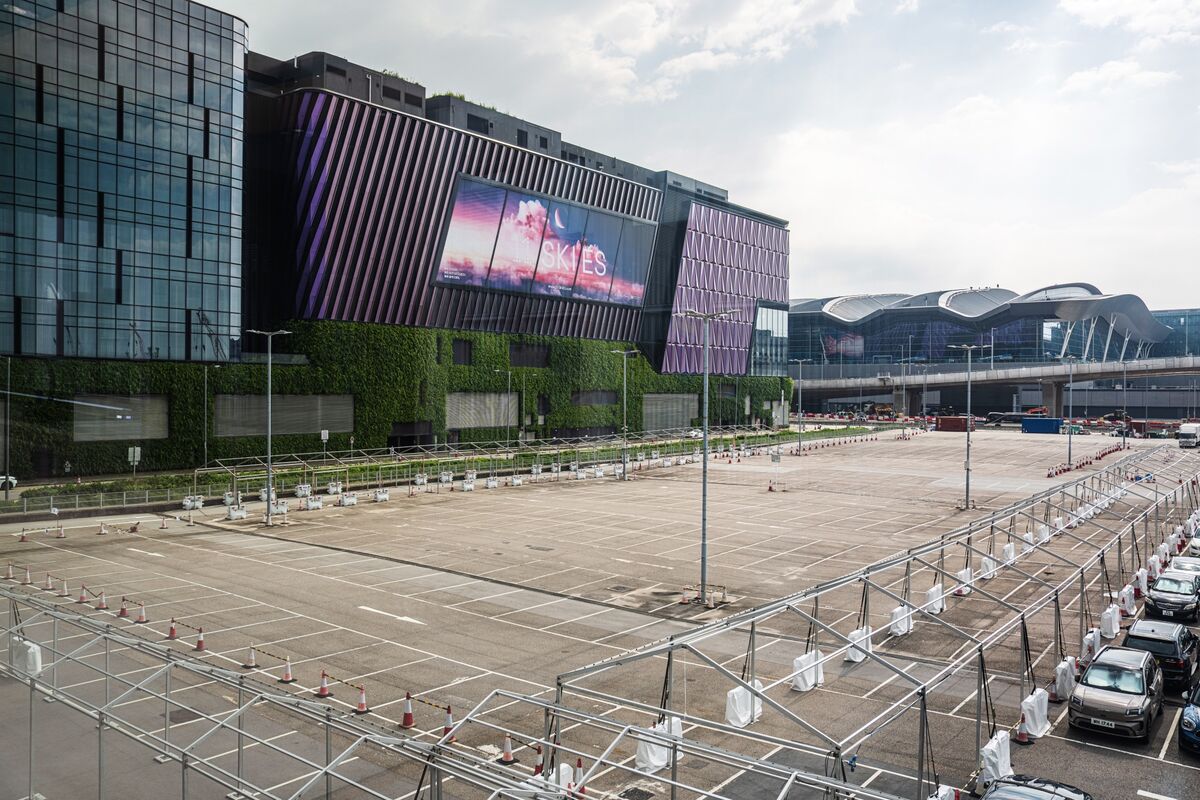
Hong Kong's traditional billionaire families, exemplified by the Cheng family of New World Development, are reportedly struggling to adapt their business practices and management styles to new generations, raising concerns about their long-term viability. The article highlights potential governance issues within these family-controlled conglomerates, citing a culture where staff are hesitant to challenge ambitious projects, such as Adrian Cheng's planned airport-adjacent mall, which could impact strategic decision-making and risk management.
The article highlights significant governance risks within Hong Kong's family-controlled business dynasties, using the Cheng family as a primary example. A culture of deference, characterized by an unwritten rule where staff are hesitant to challenge leadership, raises concerns about a lack of robust strategic debate and risk management. This issue is exemplified by the apparent unquestioned pursuit of a 'grandiose' and potentially high-risk mall project near the Hong Kong International Airport, championed by the patriarch's heir, Adrian Cheng. This dynamic suggests that capital allocation decisions may be driven more by personal ambition than by rigorous, independent analysis, posing a fundamental threat to the long-term value and stability of these conglomerates, particularly in their core real estate and retail segments. The strongly negative sentiment associated with this report underscores that these are not merely succession issues but potential indicators of future financial distress and a cautionary tale for the sector.
AI-powered research, real-time alerts, and portfolio analytics for institutional investors.
Request DemoOverall Sentiment
strongly negative
Sentiment Score
-0.60
