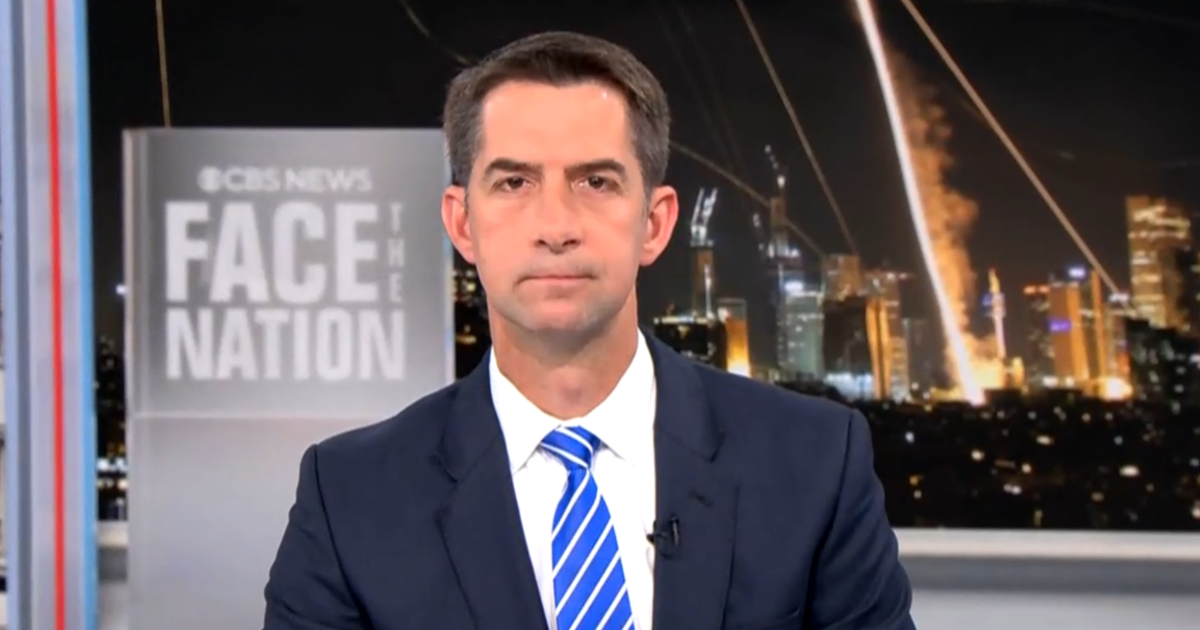
A U.S. military and CIA-led operation captured Venezuelan leader Nicolás Maduro, with Sen. Tom Cotton praising the operation and urging Venezuelan officials to break ties with drug cartels and foreign backers (Russia, China, Cuba, Iran). Cotton signaled that similar strikes could follow against other indicted Venezuelan figures, noted an ongoing U.S. military buildup and intelligence activity in South America, and raised War Powers/Congressional oversight questions — developments that elevate regional geopolitical risk and could disrupt Venezuelan oil flows and investment sentiment in the near term.
Market structure: A successful US extraction of Maduro is a positive catalyst for US defense contractors (LMT, RTX, GD) and intelligence services firms; expect a 3–6% re-rating in defense primes over 3–12 months as budgets and classified contracting tailwinds materialize. Energy markets face a two-stage move: a near-term geopolitical premium in Brent/WTI of ~3–7% (days–weeks) followed by potential supply normalization if Venezuelan heavy crude (300–600 kb/d) is reintroduced over 6–12 months, compressing spreads for sweet/heavy differentials and pressuring Gulf Coast refiners that priced the premium in. EM sovereigns and FX in the region will see immediate spread widening (Colombia/Peru +50–200bp) and FX weakness; US Treasuries/VIX may rally briefly on risk-off then give back as oil and defense flows reprice.
Risk assessment: Tail risks include a Russian/Chinese naval or cyber retaliation (5–15% probability near term) and a protracted stabilization operation that draws US resources (10–20% probability over 6–12 months). Immediate (0–7 days): volatility spike in oil, EM, and USD; short-term (weeks–months): bond spread widening and defense stock outperformance; long-term (quarters): possible cap on oil if Venezuelan output returns. Hidden dependencies: speed of oil re-entry depends on sanctions relief, US diplomatic recognition, and refinery compatibility; domestic US political shifts could reverse policy within 3–9 months.
Trade implications: Short-term tactical: buy a 6–10 week WTI/Brent call spread to capture a 3–7% spike (cap cost and defined risk). Tactical defense: initiate 2–3% position in LMT and RTX on any pullback >5% with 6–12 month horizon. Credit/EM: buy 3-month puts on EMB (or buy CDS protection) sized to cap portfolio EM exposure if spreads widen >75bp.
Contrarian angles: The market may overprice a permanent disruption; history (Panama ’89, targeted decapitation ops) shows rapid operational wins often lead to faster normalization of commodity flows within 6–12 months. The consensus underestimates legal/sanctions frictions that could delay crude return — a scenario that would sustain higher oil; conversely, if US facilitates exports, oil should mean-revert. Unintended consequence: accelerated regional militarization increases defense capex but also raises sovereign risk — favor quality defense names while shorting broad EM sovereign ETFs if spreads breach set thresholds.
AI-powered research, real-time alerts, and portfolio analytics for institutional investors.
Request DemoOverall Sentiment
neutral
Sentiment Score
0.00
