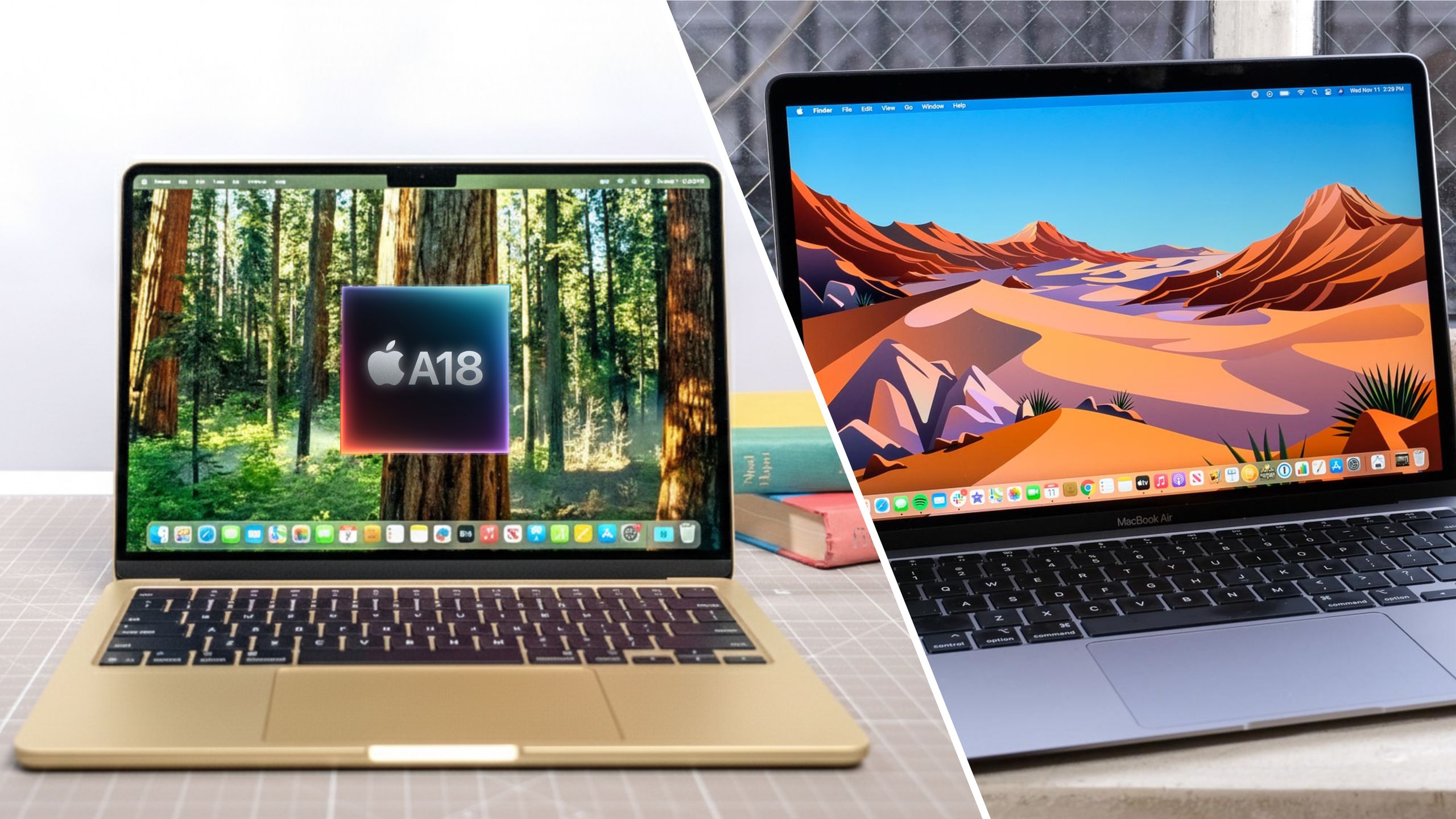
Apple is reportedly preparing a low-cost MacBook (rumored MacBook SE) aimed at the $500–$600 price band to target education and the refurbished market, where the 2020 M1 MacBook Air remains a top seller (currently selling for about $449 at Walmart). Benchmarks indicate the A18 Pro (3nm phone chip from iPhone 16 Pro) would deliver superior single-core performance, higher memory bandwidth and improved GPU efficiency versus the M1, while multi-core sustained workloads may still favor or tie the M1; battery rundown tests show the iPhone 16 Pro at ~14:07 vs the M1 Air at ~14:40. If implemented in a laptop form factor, the A18 Pro could offer compelling value for mainstream users, potentially pressuring refurbished M1 pricing and reshaping Apple's entry-level MacBook positioning.
Market structure: A low-cost A-series MacBook (target price band $400–$600) shifts demand from Chromebooks and the M1-refurb channel into Apple’s controlled ecosystem. Near-term winners: AAPL (volume growth, education channel), select retail partners (WMT) and TSMC/Apple-foundry supply chain; losers: Google’s Chromebook partners and the refurbished M1 market where average selling prices (ASPs) could compress ~10–25% over 6–12 months.
Risk assessment: Tail risks include product execution failure (thermal/port limitations), regulatory pushback on education bundling, and component allocation stress for A18 Pro vs iPhone needs. Immediate volatility will spike around the launch (days–weeks); meaningful education share shift will take 12–36 months. Hidden dependency: Apple must scale A18 Pro laptop power envelope without cannibalizing higher-margin MacBook sales — failure compresses corporate ASPs and margins.
Trade implications: Tactical alpha from directional AAPL exposure with defined risk; expect price discovery within 2–8 weeks post-launch as reviews and EDU contracts surface. Cross-asset: modest downward pressure on tech bond yields if device-driven capex stimulates. Option plays should hedge event volatility; pair trades long AAPL/short GOOGL capture the education-OS displacement thesis over 3–12 months.
Contrarian angle: Consensus underestimates the time lag in school procurement — don’t treat this as immediate Chromebook knockout. Conversely, the market may underprice continued upside to Apple services/LTV from earlier OS lock-in; historical parallel: iPad’s slow educational ramp turned into multi-year platform monetization. Unintended consequence: accelerated markdowns in second-hand Mac market could temporarily depress Apple’s used-device ecosystem revenues.
AI-powered research, real-time alerts, and portfolio analytics for institutional investors.
Request DemoOverall Sentiment
mildly positive
Sentiment Score
0.35
Ticker Sentiment
