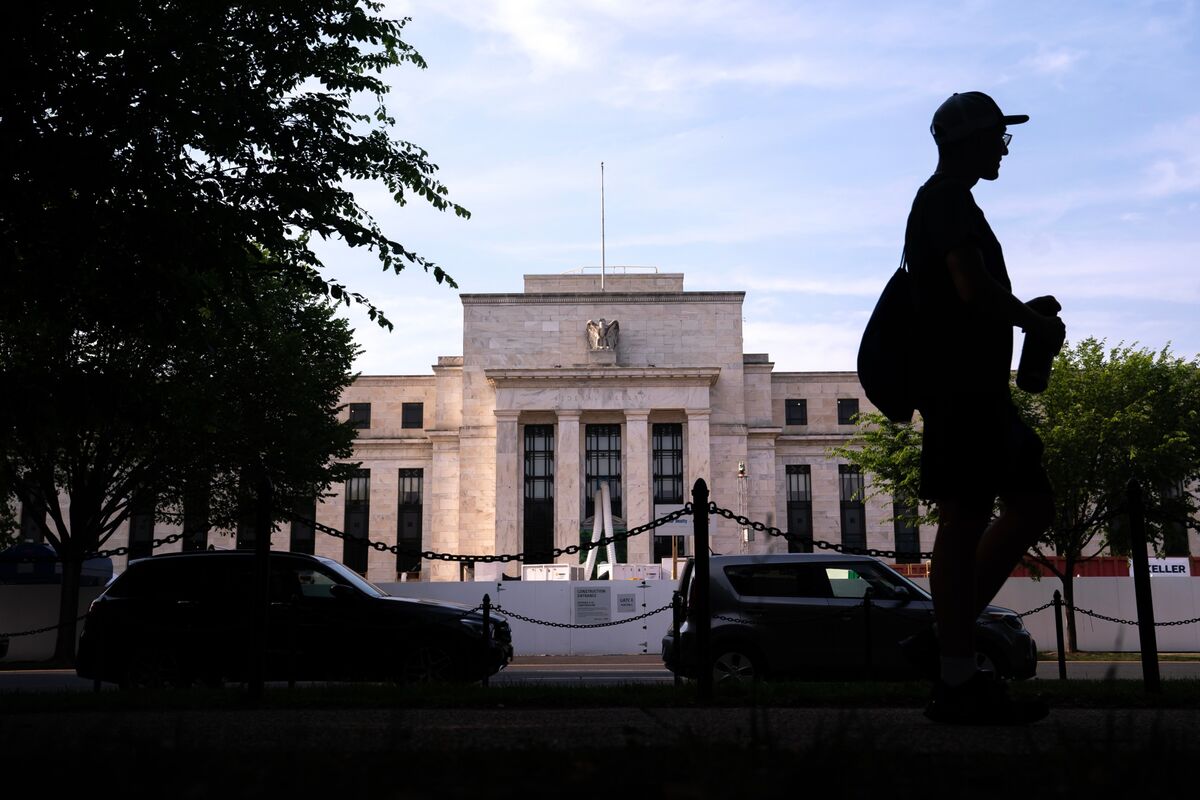
The Fed’s Beige Book reports US economic activity was little changed in recent weeks but highlights a deepening K-shaped split: overall consumer spending fell further while higher-end shoppers held up. Employment edged down slightly and contacts reported prices rising moderately, suggesting persistent inflationary pressure amid softening demand — a mixed backdrop that could keep Fed policymakers cautious on the path of policy.
Market structure: The Beige Book’s K-shaped split benefits premium/luxury consumer names and defensive staples while pressuring mass-market discretionary and service-exposed companies. Expect pricing power to concentrate: luxury (LULU, RH) can sustain ASPs and margins (+5–10% beat potential vs peers in next 2–4 quarters) while mall/discount chains (KSS, M) face traffic and margin compression of 200–400bps. Inventory destocking and softer non-essential spending signal lower aggregate demand, tightening downside risk to cyclicals and discretionary capex.
Risk assessment: Tail risks include a credit-triggered consumer retrenchment (credit card delinquency surge >100bps QoQ) or a wealth shock knocking high-end demand down 20–30% — both could flip the narrative to recession within 6–12 months. Near term (days–weeks) market volatility around CPI/Payroll prints; short-term (months) earnings guidance downgrades in retail; long-term (quarters+) structural divergence persists absent broad wage growth or fiscal relief. Hidden dependencies: regional employment, credit spreads and luxury pricing driven by FX and tourism flows (overnights to US luxury sales can move 5–7% with currency swings).
Trade implications: Tactical portfolio tilts: go long selective premium consumer names and staples, trim mass-market retail and travel/leisure exposure. Use pair trades to isolate dispersion (long LULU or RH vs short KSS or M), employ options to hedge timing risk (calendar and put spreads into CPI/Black Friday). Fixed income: increase duration exposure if CPI trajectory softens — add TLT/TIP on 10y <3.5% or YoY CPI <3% within next 60 days.
Contrarian angles: Consensus underestimates the persistence of high-end demand as a driver of services inflation — this could keep Fed policy tighter than markets expect, penalizing long-duration growth stocks. The market may be over-discounting mass-retail downside (some names have >40% short interest) creating short-squeeze risk; conversely premium names are underowned and could re-rate if guidance holds. Historical parallel: 2020–21 K-shaped recovery showed durable premium consumption even with broad weakness — avoid one-size-fits-all consumer bets.
AI-powered research, real-time alerts, and portfolio analytics for institutional investors.
Request DemoOverall Sentiment
mildly negative
Sentiment Score
-0.25
