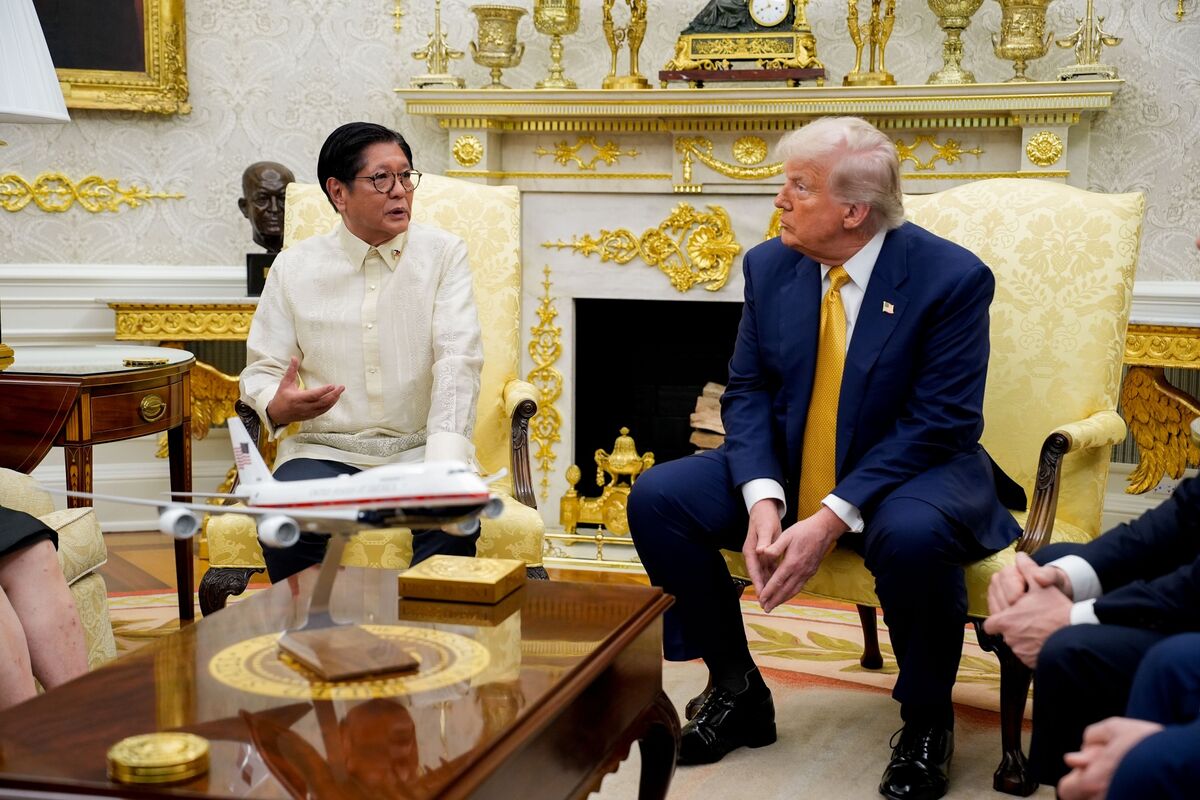
President Trump announced a 19% tariff on Philippine exports, finalized in an agreement with the Philippines ahead of an August 1 deadline. This new rate follows an initial 17% imposition in April and a recent threat of a 20% charge, signaling a concluded negotiation on trade terms with the key US ally.
The United States and the Philippines have formalized a trade agreement establishing a 19% tariff on Philippine exports, concluding a period of negotiation ahead of an August 1 deadline. This resolution removes the immediate uncertainty that followed an earlier threat by the US to impose a 20% charge. The final 19% rate represents a significant increase from the 17% tariff initially imposed in April, which was subsequently paused for negotiations. While the agreement averts the worst-case scenario of a 20% tariff, it introduces a substantial new cost for Philippine exporters, potentially impacting profit margins and competitiveness within the US market. The settlement indicates a finalized, albeit more restrictive, trade relationship, a development reflected in the moderately negative sentiment surrounding the event.
AI-powered research, real-time alerts, and portfolio analytics for institutional investors.
Request DemoOverall Sentiment
moderately negative
Sentiment Score
-0.50
