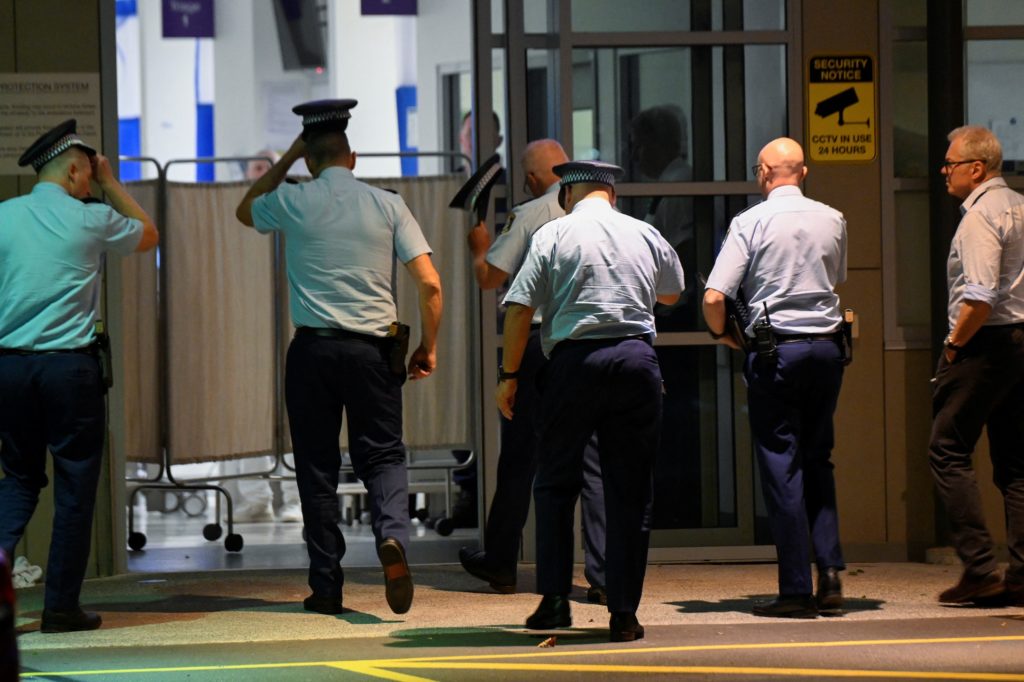
Australian authorities say an investigation into the Dec. 14 Bondi Beach mass shooting — in which Sydney residents Sajid Akram, 50, and his 24-year-old son Naveed Akram are accused of killing 15 and wounding about 40 at a Hanukkah festival — found no evidence the pair were part of a broader terrorist cell after a November trip to Davao City, Philippines. Naveed faces dozens of charges including 15 counts of murder and one count of committing a terrorist act; he was shot and hospitalized during the incident while his father was killed by police. The government is deploying more than 2,500 officers and visibly armed units for New Year’s Eve in Sydney, a move likely to raise security costs and spur domestic political debate on police armament and public safety — factors that could have localized, short-term effects on tourism and municipal security spending.
Market structure: Immediate winners are defense and public-safety equipment suppliers and security integrators (public comms, CCTV, event screening) as governments and venues reprice security; losers are live-event leisure incumbents (airlines, hotels, casinos) and small festival insurers due to higher operating costs and potential crowding declines of 5–15% over weeks. Competitive dynamics favor large, Western incumbents with established government-channel access (long sales cycles but high margin) and regional integrators that can meet local-content rules; Chinese low-cost vendors face accelerated de-selection.
Risk assessment: Tail risks include copycat attacks, large-scale crowd cancellations, or a policy backlash (privacy/regulatory limits on surveillance) that could blunt demand; probability low-medium but impact high. Timing: immediate (days) — spike in visible policing and one-off security spend; short-term (4–12 weeks) — booking flows and event insurance repricing; long-term (6–24 months) — procurement award cycles and budget shifts. Hidden dependency: procurement lead times (3–12 months) and indemnity clauses in terrorism insurance that mute insurer losses but lift premiums.
Trade implications: Tactical ideas: overweight defense/security tech while hedging leisure exposure; favor comms/camera leaders that convert municipal budgets in 3–9 months. Cross-asset: expect mild AUD weakness (safe-haven USD bid) and modest flattening pressure on Australian short-term yields as state budgets absorb policing costs.
Contrarian view: The market may overpay for headline defense names because contract recognition lags — security integrators and specialty insurers will reprice revenue faster. Historical parallel: post-2015 Paris, integrators and insurers outperformed prime defense contractors in the first 6–12 months. Unintended: accelerated de-risking of Chinese vendors creates a multi-quarter procurement window for Western suppliers.
AI-powered research, real-time alerts, and portfolio analytics for institutional investors.
Request DemoOverall Sentiment
moderately negative
Sentiment Score
-0.40
