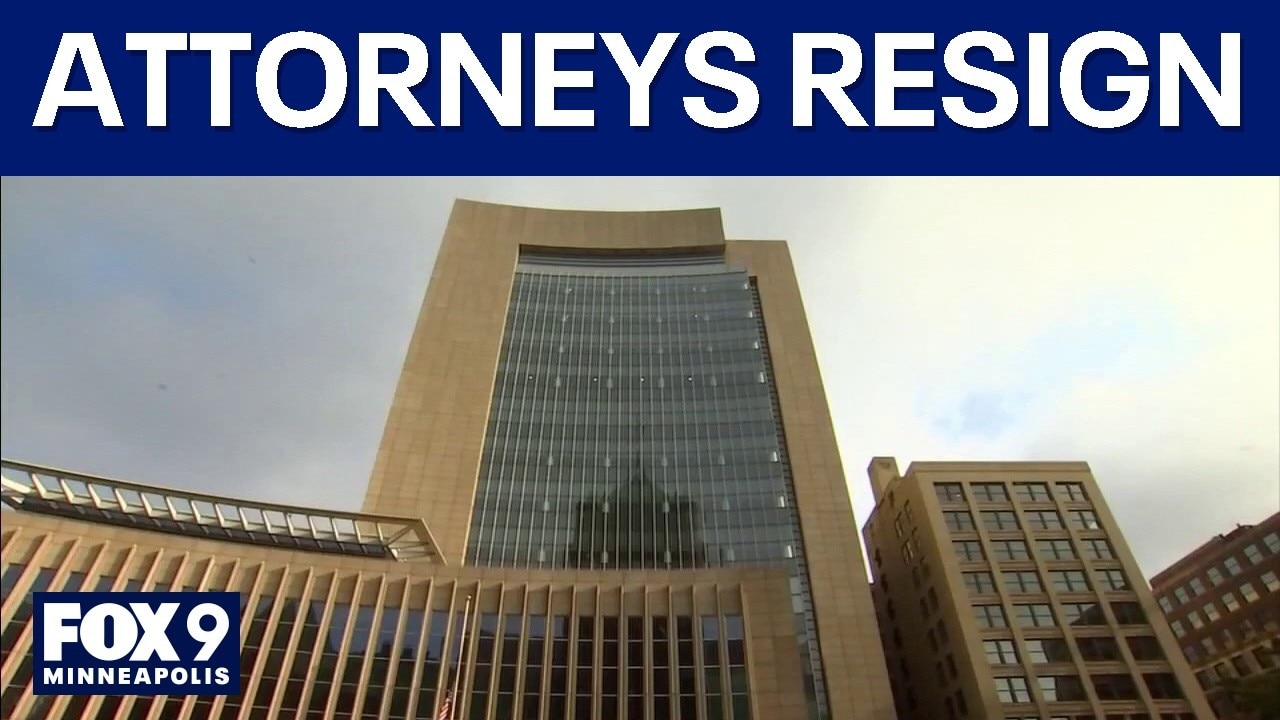
Eight additional federal prosecutors have resigned or announced plans to leave the U.S. Attorney’s Office in Minnesota, following an earlier wave of six departures, citing frustration with immigration-enforcement directives from the Trump administration and the Department of Justice. Resignations follow disputes over federal obstruction of state investigators in the aftermath of ICE agent Jonathan Ross’s fatal shooting of Renee Nicole Good (ruled a homicide by the Hennepin County Medical Examiner) and related handling of civil‑rights probes; the DOJ declined a civil‑rights investigation for Good but opened one for Alex Pretti. The exits — which included senior figures tied to high‑profile investigations such as Feeding Our Future — heighten operational and reputational risks for the DOJ in Minnesota and could complicate federal‑state law enforcement cooperation amid intensified political and legal scrutiny.
Market structure: This is a regional governance/legal shock with asymmetric winners and losers — plaintiff-focused media (NYT) and national law firms/consultancies supplying compliance work see higher demand, while private-detention operators and vendors tied to federal immigration enforcement (GEO, CXW) face higher political and contract risk. The resignation-driven capacity gap in the US Attorney’s Office reduces near-term prosecution throughput, raising case backlogs and demand for outside counsel and expert witnesses over the next 3–12 months.
Risk assessment: Tail risks include DOJ opening widespread civil-rights probes or Congress passing restrictions that cut ICE-related contracts, which could remove 10–30% of revenue for exposed vendors within 6–12 months. Immediate (days) risk is headline-driven volatility; short-term (weeks–months) is reputational and contract renegotiation risk; long-term (quarters–years) is policy-driven funding shifts. Hidden dependency: federal detention revenue is linked to DOJ/DHS budgets — a single congressional push can flip profitability thresholds.
Trade implications: Tactical plays: (a) short GEO/CXW via equity or 3‑month put spreads sized 2–4% portfolio as downside >20% if contracts curtailed; (b) go long NYT (2–3%) or buy a 3‑month call spread to capture elevated engagement; (c) hedge political-volatility with a 1–2% allocation to 7–10y Treasuries (IEF) for 0–3 months. Pair trade: long NYT / short GEO for sector-relative safety. Use stop-loss at 15% and review on any DOJ announcement within 30 days.
Contrarian angles: Consensus underestimates speed of private‑contract exposure — markets have historically moved 20–40% on federal-policy swings (e.g., 2015–2016). The overreaction risk: if DOJ preserves contracts or state authorities step in, GEO/CXW can rebound quickly; set buy triggers to cover shorts if DOJ declines probes or a major contract is renewed within 60 days.
AI-powered research, real-time alerts, and portfolio analytics for institutional investors.
Request DemoOverall Sentiment
moderately negative
Sentiment Score
-0.25
Ticker Sentiment
