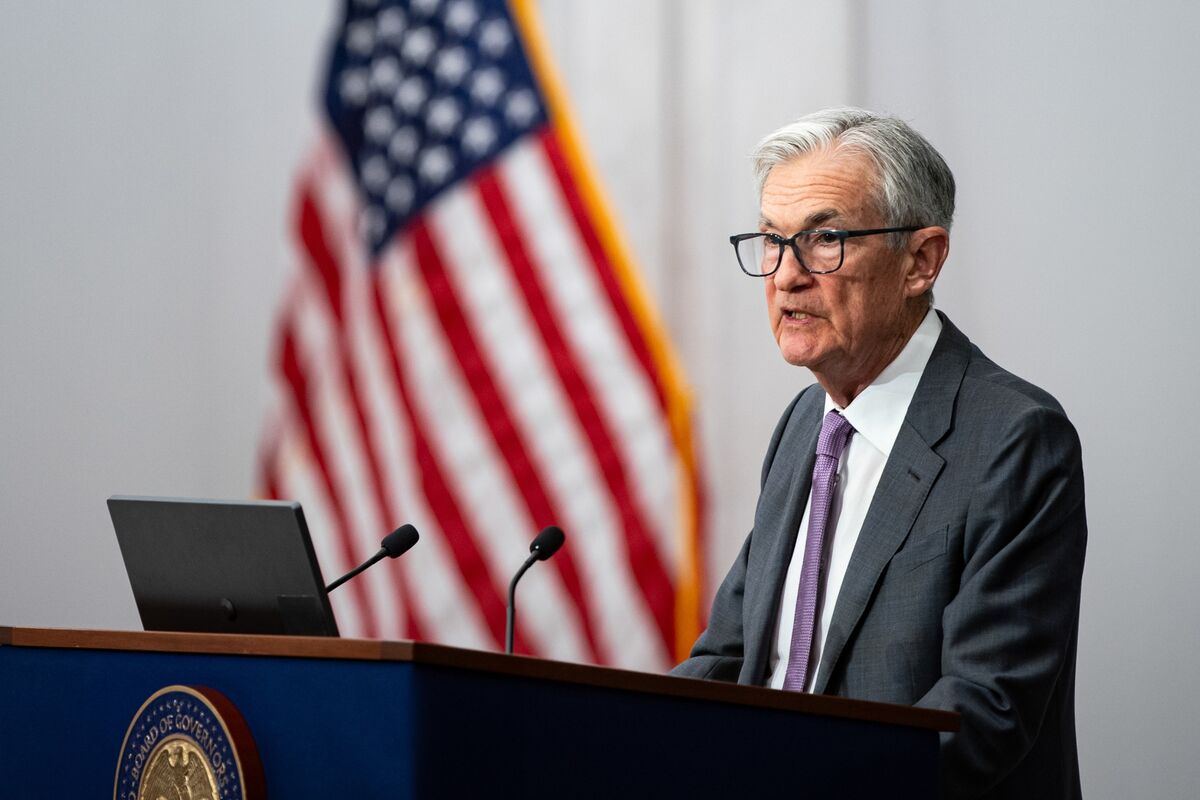
Federal Reserve Chair Jerome Powell reiterated the Fed's patient stance on interest rate cuts, indicating policymakers are not rushing to adjust policy due to a higher inflation outlook. This position counters recent calls for imminent rate reductions from President Trump and some Fed officials, including Governors Waller and Bowman, who had signaled openness to a July cut. Powell's remarks underscore the central bank's continued commitment to its current policy, suggesting a delay in anticipated rate adjustments.
Federal Reserve Chair Jerome Powell has reinforced a hawkish policy stance, signaling that the central bank is not inclined to cut interest rates in the near term. Citing a 'higher inflation outlook,' Powell's remarks serve to temper market expectations for imminent monetary easing, specifically countering recent dovish commentary from Fed Governors Waller and Bowman who had signaled openness to a July rate reduction. This deliberate messaging underscores a patient, data-dependent approach and suggests the threshold for a policy pivot remains high, despite political pressure. The divergence between the Chair's cautious tone and other officials' statements introduces a degree of uncertainty around the Fed's consensus, but Powell's position as Chair indicates that a 'hold' is the most probable near-term outcome, forcing a re-evaluation of the timing for future rate adjustments.
AI-powered research, real-time alerts, and portfolio analytics for institutional investors.
Request DemoOverall Sentiment
moderately negative
Sentiment Score
-0.45
