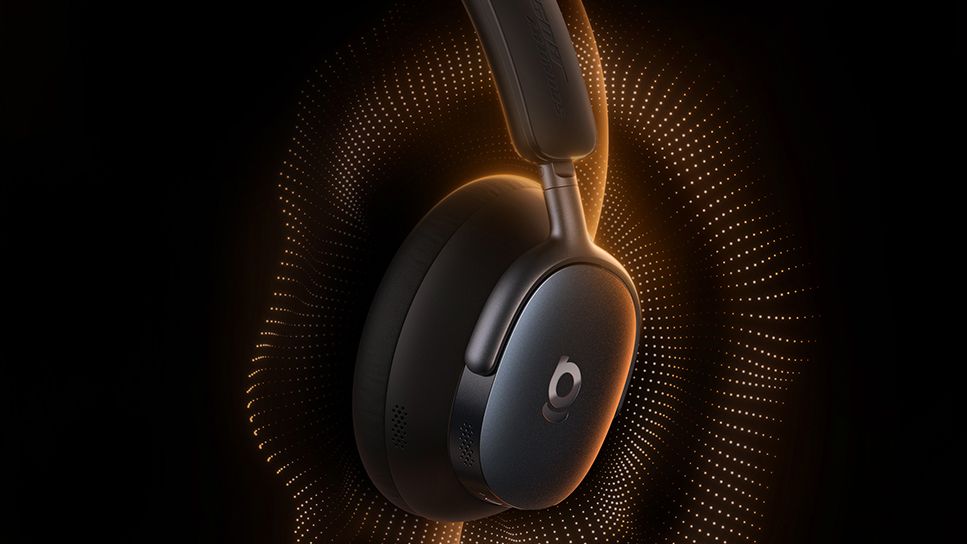
Hungary-based activist group ToxFree tested 81 commercially available headphones and reported detecting bisphenols, phthalates and PFAS ('forever chemicals') in trace quantities in every product, including models from Apple, Bose, Panasonic and Sony. The group says chemicals in hard plastics can migrate to skin via heat, mechanical stress or sweat; the study did not quantify exposure levels or toxic thresholds, but raises reputational and potential regulatory risk for consumer-electronics vendors—warranting monitoring of regulatory responses, potential litigation, and near-term sales or sourcing impacts.
Market structure: Short-term winners are specialty materials and certified “PFAS-free” consumer-label brands; losers are low-cost headphone OEMs and any consumer electronics line with large earbud revenue (notably AirPods exposure at AAPL and Sony’s headphone unit). Expect modest pricing power for premium metal/leather suppliers as brands pay up to reformulate; market share will shift ~5–15% over 12–24 months toward premium/regulated-compliant SKUs if regulation tightens.
Risk assessment: Tail risks include EU/US regulatory bans, large class-action suits or retailer recalls that could knock 3–8% off affected OEM revenues and widen credit spreads for smaller suppliers; probability medium over 12–36 months. Immediate reputational shocks will move equity vol for AAPL/SONY by +10–25% intraday; long-term risks are capex to reformulate (multi-year) and replacement cycles reducing unit demand by low single digits.
Trade implications: Tactically hedge large-cap headphone exposure rather than outright sell; favor long specialty-chemicals/materials names that can supply PFAS-free alternatives and short low-cost import-focused OEMs/retailers. Options are efficient for headline risk (90-day put spreads); rotate 1–3% of portfolio from discretionary hardware into materials/ESG-compliant product leaders over 3–12 months.
Contrarian angles: Consensus over-emphasizes toxicology headlines versus quantified exposure — trace detections != immediate sales collapse, so large-cap diversified names (AAPL) are likely resilient and rebounds probable within 60–90 days absent regulation. Mispricings exist in small-cap audio OEMs and import marketplaces where a 15–30% downside can occur if regulatory action or high-profile recalls materialize; conversely, materials stocks may underappreciate 12–24 month upside from sustained reformulation demand.
AI-powered research, real-time alerts, and portfolio analytics for institutional investors.
Request DemoOverall Sentiment
mildly negative
Sentiment Score
-0.35
Ticker Sentiment
