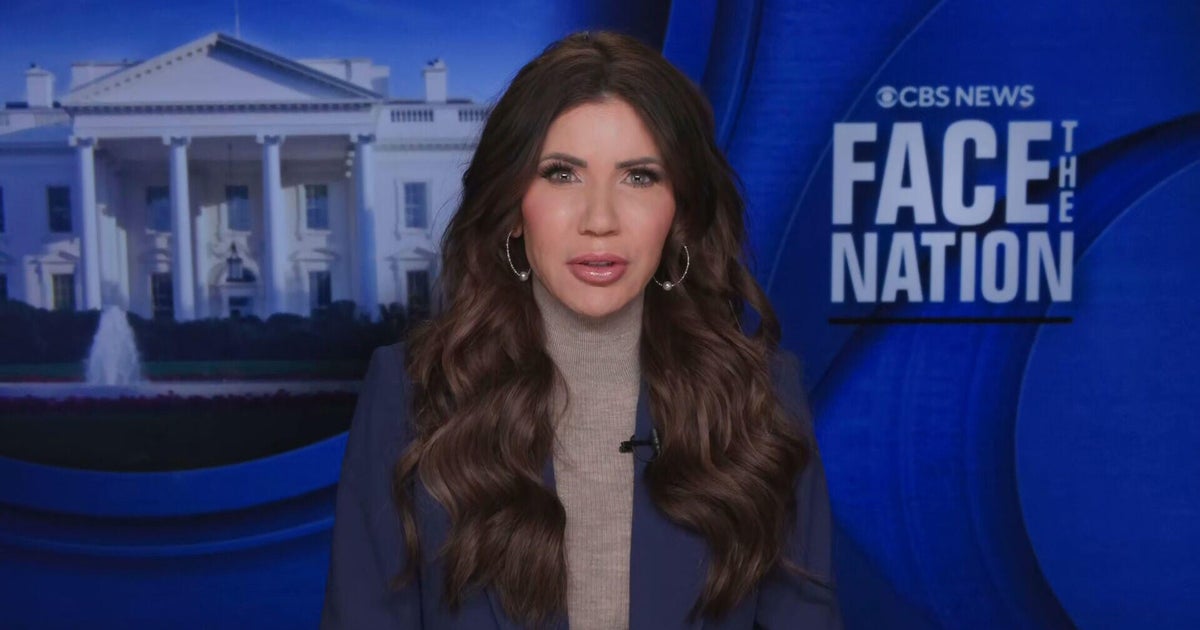
DHS Secretary Kristi Noem defended ongoing ICE and federal law enforcement operations in Minneapolis, saying a federal judge's injunction limiting use of chemical agents and certain detentions "didn't change anything"; the order bars pepper spray/nonlethal munitions on peaceful protesters and stops detentions without reasonable articulable suspicion. Thousands of federal agents have been deployed amid heightened scrutiny following the fatal shooting of Renee Good by an ICE agent and calls for congressional testimony; CBS polling shows 54% of Americans view the shooting as unjustified and 61% now describe ICE stops and detentions as too tough (up from 56% in November).
Market structure: Near-term winners are vendors of federal law‑enforcement technology and services (surveillance analytics, body cameras, tactical equipment) and large defense/IT primes with DHS/Cyber customers; losers are local consumer businesses in hot zones and politically exposed service providers (private prisons face reputational/legal squeeze). Pricing power: modest tailwinds for DHS contractors could lift revenue guidance by low-single-digit percent over quarters if contract tempo stays elevated; private‑prison operators face margin compression from downgrades or lost local contracts.
Risk assessment: Tail risks include a federal probe or sweeping judicial injunctions that curtail tactics (high impact, <10% probability over 3–6 months) and bipartisan legislative backlash that reduces detention contracts (10–25% chance into next fiscal year). Immediate volatility will spike around hearings/rulings (days–weeks); material budget or DOJ findings change the picture over quarters. Hidden dependencies: municipal budget cuts and campaign funding flows can flip law‑enforcement purchasing decisions quickly.
Trade implications: Tactical long bias to DHS/security tech/analytics (e.g., PLTR, AXON, LDOS) sized conservatively (1–2% each) and tactical shorts in reputationally exposed names (GEO, CXW) via puts; prefer 3–6 month option structures to capture event risk around hearings and budget votes. Cross‑asset: modest bid to USD safe‑haven and short‑term muni spreads in Minneapolis could widen by 10–30bps if protests persist, so favor underweight local muni risk.
Contrarian angles: Consensus focuses on political optics; underappreciated is durable modernization spend for surveillance/cyber regardless of rhetoric — historical parallels (post‑protest 2015–2020 cycles) show tech vendors outperformed private‑prison stocks. Reaction could be overdone on private prisons and underdone on midsized analytics names; primary unintended consequence is litigation risk that could temporarily compress multiples for any contractor implicated.
AI-powered research, real-time alerts, and portfolio analytics for institutional investors.
Request DemoOverall Sentiment
mildly negative
Sentiment Score
-0.25
