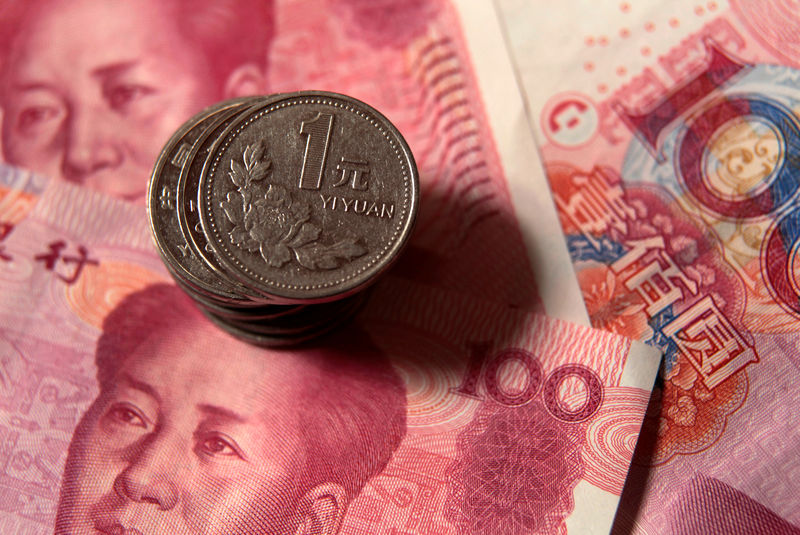
Asian currencies generally edged lower, with the U.S. dollar rising, as markets awaited key PCE inflation data to solidify September Federal Reserve rate cut expectations, which traders are pricing at over 85% probability. This comes amid heightened concerns over the Fed's independence following President Trump's attempt to dismiss Governor Lisa Cook, creating legal uncertainty. Concurrently, the Indian Rupee neared record lows, pressured by new U.S. tariffs doubling duties to 50% on certain imports, while the Japanese Yen saw sticky underlying inflation in Tokyo supporting Bank of Japan rate hike speculation.
Global currency markets are navigating a complex environment characterized by high-stakes US monetary policy expectations and significant geopolitical friction. Traders are pricing in a more than 85% probability of a 25-basis-point Federal Reserve rate cut in September, a sentiment contingent on the upcoming Personal Consumption Expenditures (PCE) price index data. However, this dovish outlook is complicated by an unprecedented political challenge to the Fed's independence, stemming from an attempt to dismiss Governor Lisa Cook, which has introduced uncertainty and contributed to recent dollar weakness. In Asia, the Japanese yen faces conflicting signals; while Tokyo's headline inflation eased, sticky underlying price pressures keep the prospect of a Bank of Japan rate hike alive, even as factory output and retail sales data disappoint. The most acute pressure is on the Indian rupee, which is nearing its record low of 87.99 against the dollar. This sharp depreciation is a direct result of new U.S. tariffs that doubled duties to 50% in response to India's continued trade with Russia, marking the rupee's fourth consecutive monthly decline and highlighting the severe impact of targeted trade actions on emerging market currencies.
AI-powered research, real-time alerts, and portfolio analytics for institutional investors.
Overall Sentiment
moderately negative
Sentiment Score
-0.40
Ticker Sentiment
