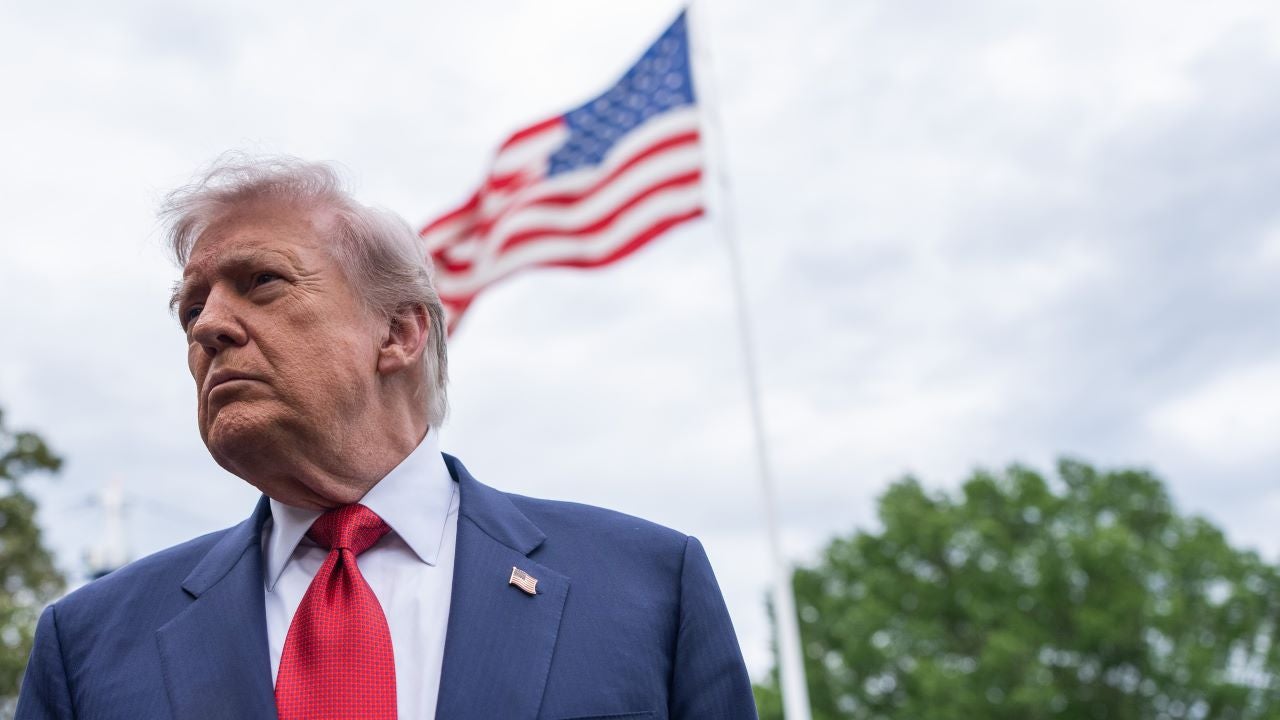
Trump rejected Iran’s latest peace proposal as "totally unacceptable," said the ceasefire is on "life support," and signaled he may resume military action, raising the risk of escalation across the Strait of Hormuz. The U.S. also imposed sanctions on 12 entities tied to Iranian oil shipments to China, while the U.K. added 12 Iran-linked sanctions, reinforcing pressure on Tehran’s financing channels. The article also points to higher gas prices above $4.52 and renewed fears around regional oil disruptions and environmental spill risks, making this a market-wide geopolitical shock with clear energy implications.
The market is still underpricing the probability that this shifts from a contained Iran premium into a broader regional supply-and-shipping repricing. The first-order move is obvious in crude and defense, but the second-order risk sits in Gulf logistics, insurance, and dollar funding for regional counterparties: even without a formal shutdown of Hormuz, persistent strikes and legal uncertainty can widen tanker rates, push cargo dwell times higher, and force importers to pre-buy inventories. That matters because the marginal shock does not need a full blockade to move inflation expectations; a sustained $5-10/bbl risk premium can leak into gasoline, airline fuel, and freight within days.
The bigger medium-term issue is that sanctions are increasingly becoming a cash-flow suppression campaign rather than a pure headline tool. By targeting shadow banking, shell intermediaries, and re-export channels, the U.S. can impair Iran’s ability to monetize oil even if physical barrels still move, which tends to compress the revenue available for proxies and domestic subsidies over 1-3 months. That is usually supportive for Western security contractors but also raises the probability of asymmetric retaliation against softer regional nodes: UAE ports, shipping, cyber, and proxy-enabled harassment of energy infrastructure.
Contrarian view: consensus is leaning too heavily on immediate de-escalation because rhetoric has been loud but execution capacity is real, and the political incentive on both sides may favor calibrated escalation over compromise. At the same time, the market may be overestimating how durable any spike in energy prices will be if U.S. political pressure forces a diplomatic off-ramp or if Gulf producers quietly offset lost barrels. The best risk/reward is not outright panic longs in crude, but expressions that benefit from volatility persistence and regional risk dispersion.
AI-powered research, real-time alerts, and portfolio analytics for institutional investors.
Request DemoOverall Sentiment
strongly negative
Sentiment Score
-0.72
