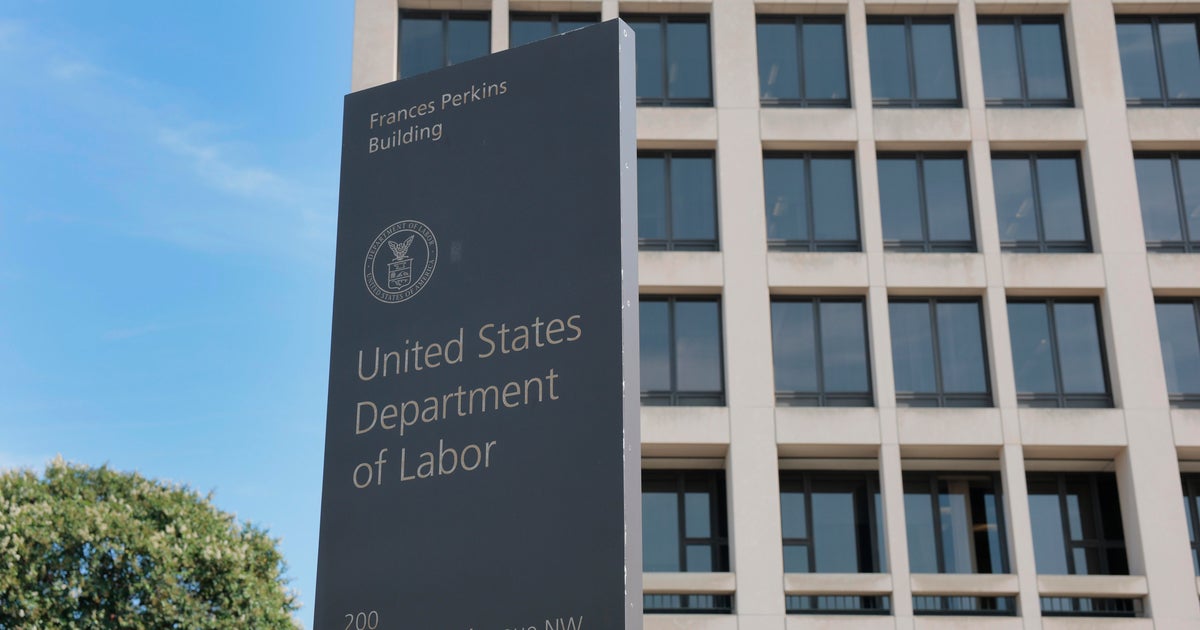
President Trump has nominated Brett Matsumoto, a supervisory research economist at the BLS and former senior economist for the White House Council of Economic Advisers with a Ph.D. from UNC, to lead the Bureau of Labor Statistics after firing the Senate-confirmed commissioner Erika McEntarfer following downward revisions to recent jobs data. The BLS reported just over 70,000 jobs added in July and revised May and June downward by a combined 258,000 jobs; the episode and the administration's public criticism raise concerns about politicization of key economic releases such as payrolls and the CPI. Markets and policy makers rely on BLS data for inflation and labor-market assessment, so leadership changes and questions over data credibility could inject uncertainty into economic and monetary-policy decision-making.
Market structure: Politicization of the BLS raises a persistent risk premium on macro-sensitive assets. If market participants start discounting official labor prints, expect higher bid for real-time/private data vendors and safe-haven assets; a 50–150bps implied uncertainty premium in 2–10y Treasury yields is plausible around major releases in the next 3 months. Equity sectors with greatest payroll sensitivity (retail, leisure, industrials) face higher volatility and potential rotation into staples/utilities.
Risk assessment: Tail risks include credibility shock (massive downward revisions or proven manipulation) that could spike equity volatility >30% in a week and push 10y yields down >50bps as markets seek safe havens, or conversely a perception of politically softened data that forces earlier Fed tightening. Immediate horizon (days) sees elevated dispersion around monthly jobs/CPI; short-term (weeks) could see repricing of rate path; long-term (quarters) depends on institutional safeguards and Senate confirmation timelines. Hidden dependencies: Fed’s reaction function to perceived data integrity, and increased reliance on private payroll indicators.
Trade implications: Primary plays are volatility and real-yield protection—buy convex hedges around the next two NFP/CPI prints (next 1–8 weeks) and bias portfolios toward TIPS and gold over nominal duration. Pair trades: long XLP/XLU vs short XLY/XLI for 1–3 months if monthly payroll revisions exceed ±100k; implement option structures (defined-risk call spreads on VIX or ATM SPY straddles) to capture event-driven jumps.
Contrarian angles: Consensus assumes sustained degradation of BLS credibility; that may be overdone — the nominee is a career economist with a PhD, so operational disruption could be limited and volatility mean-reverts within 4–8 weeks. If confirmation proceeds within 30–60 days, reduce event hedges by ~50% and trim safe-haven positions; there is also an opportunity to sell overpriced short-dated volatility after two clean data prints.
AI-powered research, real-time alerts, and portfolio analytics for institutional investors.
Request DemoOverall Sentiment
mildly negative
Sentiment Score
-0.25
