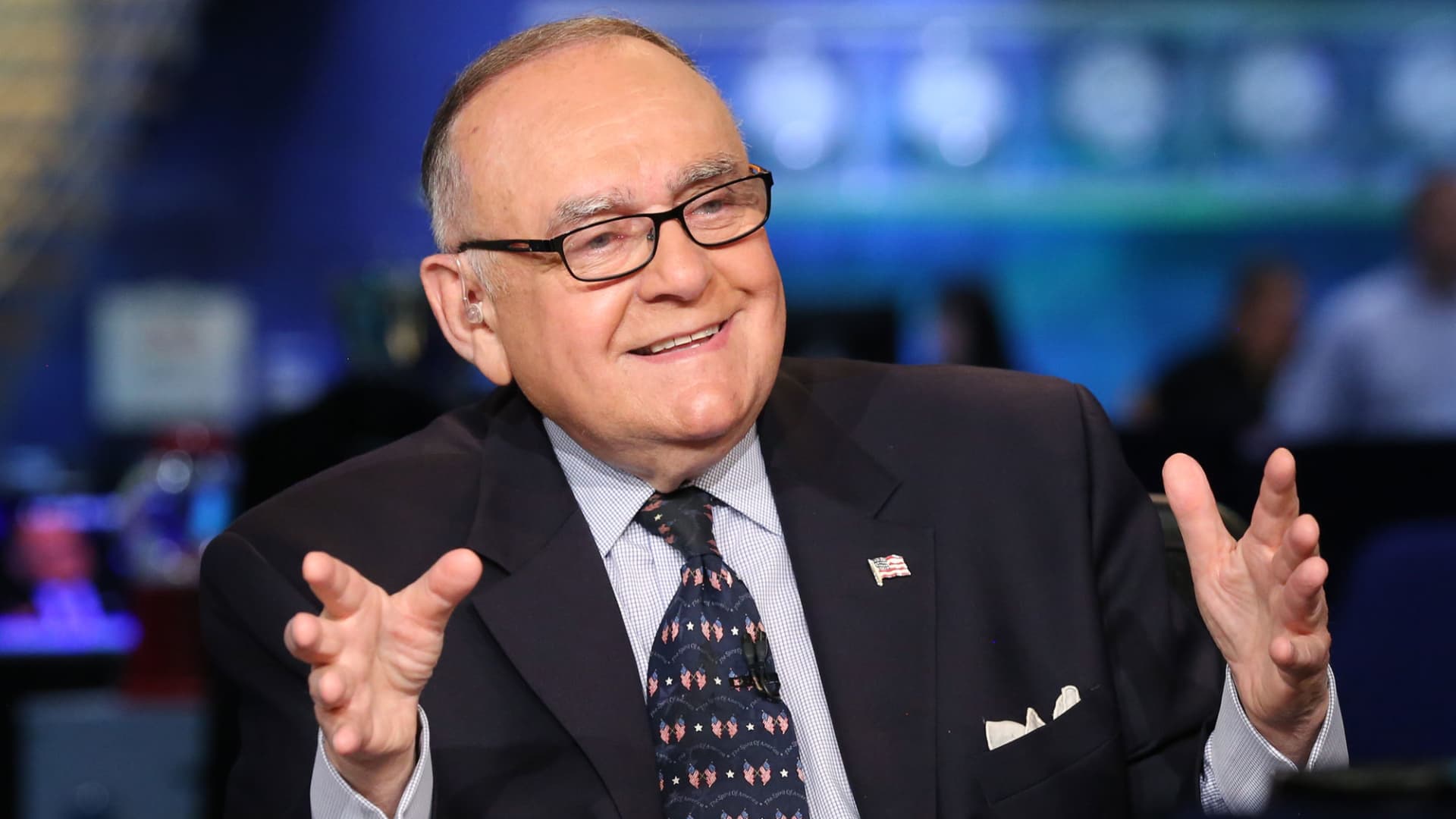
In Q2, prominent family offices, including those of David Tepper, Leon Cooperman, and George Soros, significantly rebalanced portfolios in response to tariff concerns and recession fears. While divesting from tariff-sensitive assets like Las Vegas Sands and reducing exposure to some tech giants, they also made opportunistic moves, substantially increasing holdings in AI-related chipmakers (Nvidia, Intel, TSMC) and energy providers. Concurrently, they acquired positions in oversold sectors such as UnitedHealth Group and major airlines (United, Delta), leveraging their long-term investment horizons amidst market uncertainty.
Second-quarter 13F filings reveal a strategic repositioning by prominent family offices in response to rising tariff and recession fears. These sophisticated investors executed a dual-pronged strategy, simultaneously de-risking from specific vulnerabilities while making high-conviction, opportunistic bets. On the defensive side, the family offices of David Tepper, Leon Cooperman, and George Soros completely exited positions in Las Vegas Sands Corp., reflecting concerns over how a U.S.-China trade war could impact Macau operations. Similarly, some mega-cap tech holdings were trimmed, with Cooperman's Omega Advisors exiting Microsoft and slashing its Alphabet stake by nearly 90%, and Druckenmiller's Duquesne Family Office also reducing its Amazon position. Conversely, these investors aggressively increased exposure to the artificial intelligence theme, viewing it as a secular growth driver. Tepper’s Appaloosa boosted its Nvidia holdings by almost 500%, while Soros also established a significant position. This bullishness extended to other chipmakers like Intel and TSMC, which saw increased investment from multiple family offices. Leveraging a long-term horizon, these firms also made contrarian investments in oversold sectors, with Appaloosa, Soros, and BlueCrest buying into UnitedHealth Group following its 19% selloff, and Appaloosa and BlueCrest initiating new stakes in United and Delta Air Lines despite recessionary headwinds.
AI-powered research, real-time alerts, and portfolio analytics for institutional investors.
Overall Sentiment
mixed
Sentiment Score
0.00
Ticker Sentiment
