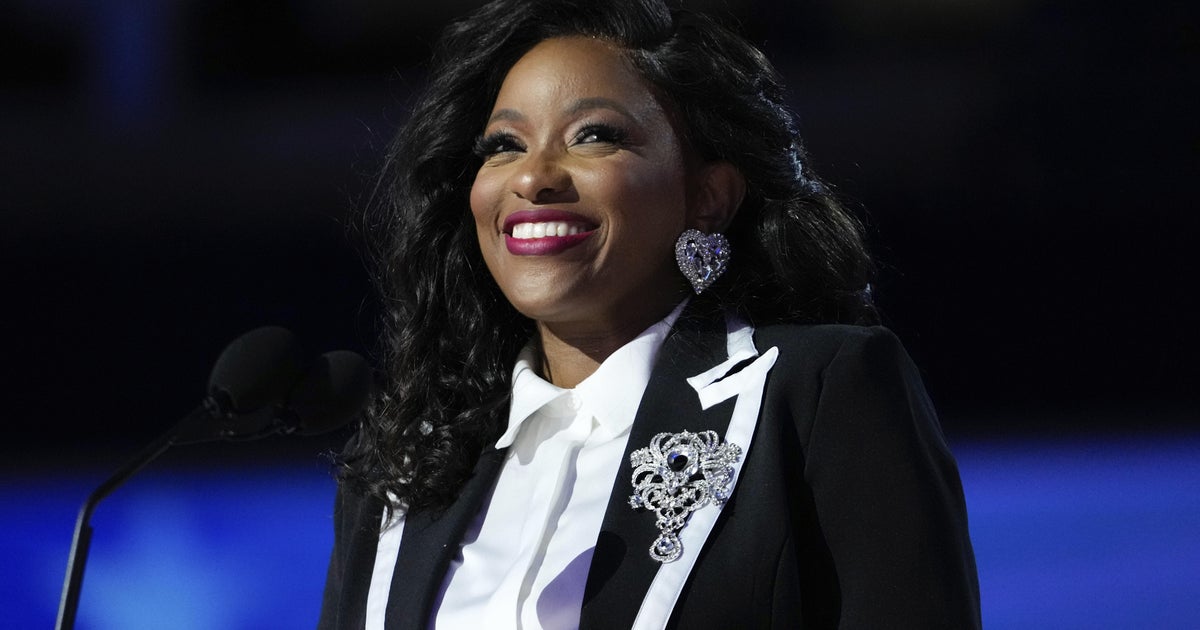
Rep. Jasmine Crockett filed to run in the Texas Democratic U.S. Senate primary ahead of the March 3 deadline and will face state Rep. James Talarico, who raised $6.2 million in the first three weeks of his campaign; her entry follows former Rep. Colin Allred's decision to exit the Senate race and run for the newly drawn 33rd Congressional District. The Republican field remains contested among Sen. John Cornyn, AG Ken Paxton and Rep. Wesley Hunt, with observers warning of an expensive 2026 cycle (one estimate cited at least $750 million for the Senate contest); the Supreme Court’s approval of a redrawn congressional map has also prompted several House-seat shifts. Key implications for investors are limited market impact but heightened political spending and potential shifts in down-ballot races and congressional composition that could affect state-level policy and regulatory outlooks.
Market structure: The immediate market winners are ad-tech and local media: programmatic/digital platforms (Alphabet GOOGL, Meta META, The Trade Desk TTD) and Texas-local broadcasters (Nexstar NXST, Sinclair SBGI) should see concentrated CPM uplifts in 2026—estimate +10–30% vs. baseline in Texas DMA inventory if the race nationalizes. Losers are marginal local advertisers and categories with tight ad budgets (retail, small CPG) as political spend crowds out commercial buys; pricing power shifts to large-scale buyers and platforms that can arbitrate inventory.
Risk assessment: Tail risks include a Paxton nomination or legal escalation that nationalizes the fight and pushes cumulative spending toward the article’s high estimate (~$750M–$1B+), materially increasing ad demand and platform revenues in 2026; opposite tail is a unified Democratic primary that suppresses general-election intensity and cuts spend by >30%. Near-term (days–months) catalysts are fundraising reports and primary polling; medium-term (6–18 months) is nomination clarity and ad-buy pacing; long-term is 2026 general election outcomes.
Trade implications: Tactical overweight digital ad exposure (GOOGL/META/TTD) 9–18 months into the cycle; add small positions in local broadcasters to capture linear spillover but favor programmatic capture. Use calendar spreads or 12–15 month call spreads to express asymmetric upside while capping premium paid; consider a relative-value pair long TTD vs short NXST if you expect programmatic share gains of >5–10%.
Contrarian angles: Consensus understates concentration risk—markets are not fully pricing a Texas-only surge that can lift quarterly revenue for ad platforms by 1–3% vs. consensus in high-ad months. Historical parallels (2018/2020 battleground cycles) show localized CPM spikes persisted for 6–9 months post-buy; unintended consequence: elevated political CPMs could compress ROI for commercial advertisers and accelerate migration to programmatic, advantaging TTD/GOOGL/META further.
AI-powered research, real-time alerts, and portfolio analytics for institutional investors.
Request DemoOverall Sentiment
neutral
Sentiment Score
0.00
