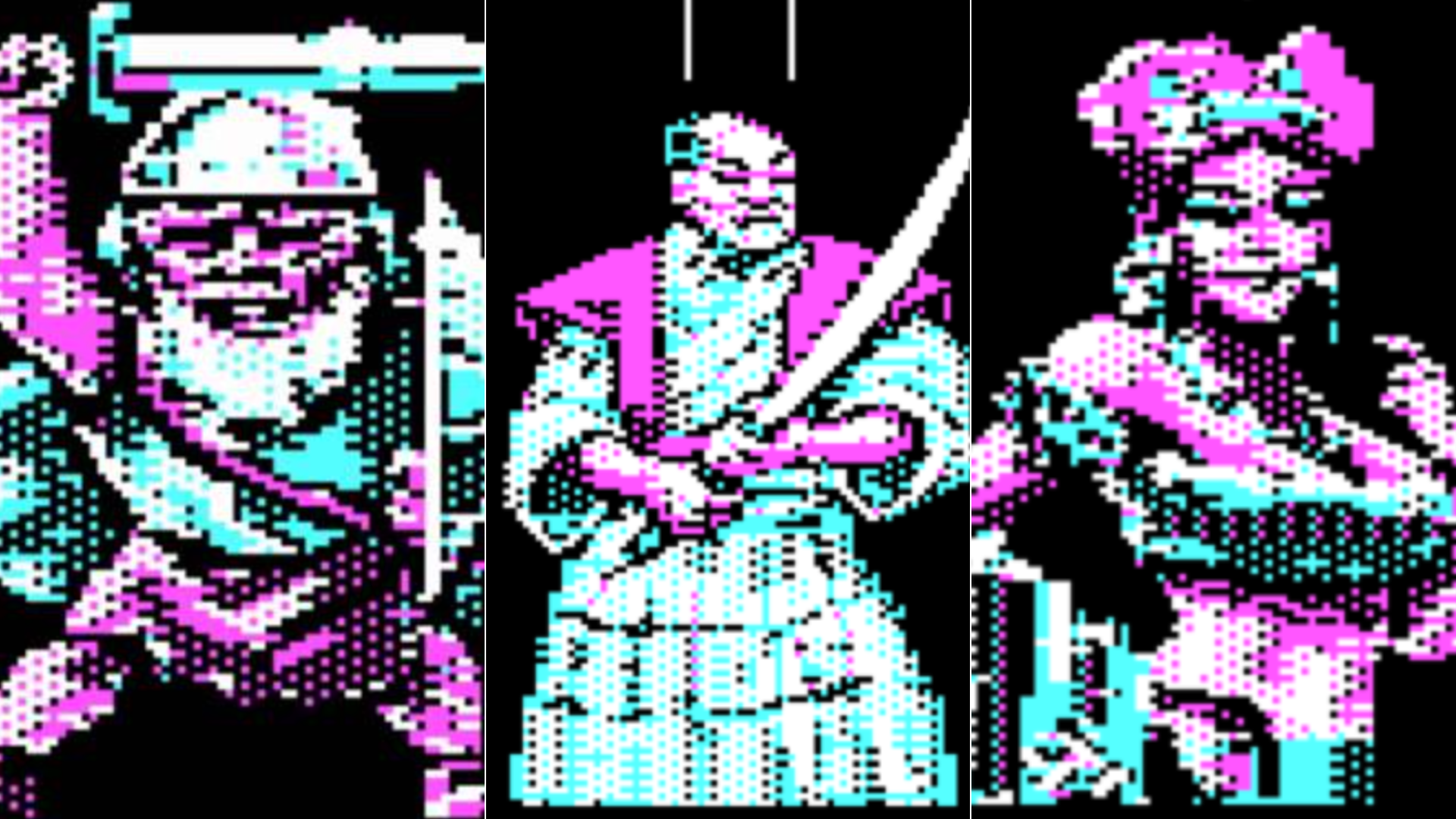
Atari acquired the complete and exclusive rights to the first five Wizardry games and their underlying IP, opening the door to remasters, collections, console ports, physical releases and other monetization. The deal revives a historically influential RPG franchise that has been largely unavailable for more than two decades, with Atari signaling an active re-release strategy. The impact is constructive for Atari and niche game publishing, but likely limited in near-term market price action.
This is less a game-IP headline than a low-cost content monetization option being exercised on an overlooked vintage franchise. The value is in portfolio expansion: Atari can amortize acquisition cost across remasters, physical editions, licensing, and transmedia without needing blockbuster unit sales, which makes the downside asymmetry unusually attractive. The key second-order effect is not just nostalgia demand, but shelf-space and algorithmic discovery for adjacent retro-CRPGs, which should lift the whole “blobber” niche and improve monetization for publishers with back catalogs.
The competitive risk is fragmentation of the Wizardry brand across multiple rights holders, which can create consumer confusion and mute conversion if releases are staggered or stylistically inconsistent. That said, the fact pattern suggests Atari is targeting a clean, premium reintroduction of the earliest entries, while the Japanese-side ecosystem continues serving a different audience; that division actually reduces direct cannibalization and may broaden lifetime franchise revenue. The bigger risk is execution: if remasters feel low-effort, review scores and nostalgia-driven preorder demand can collapse quickly within the first 1-2 launch cycles.
For public markets, this is a microcap optionality event for Atari rather than a fundamental earnings step-up. The stock should react more to cadence and licensing disclosures than to the acquisition itself; if management can show physical collector editions, console ports, and a release roadmap over the next 6-12 months, the market may begin to re-rate Atari as an IP roll-up rather than a one-off publisher. Conversely, if there is no visible pipeline within two quarters, the market will likely treat this as promotional noise and compress the acquisition premium.
Contrarian view: the consensus will overestimate addressable nostalgia and underestimate production complexity. Old CRPG fans are vocal but not large, and the commercial ceiling is probably modest unless Atari bundles modern UX improvements with the rereleases. The opportunity is best viewed as a call option on a broader retro-revival cycle rather than a standalone franchise breakout.
AI-powered research, real-time alerts, and portfolio analytics for institutional investors.
Request DemoOverall Sentiment
mildly positive
Sentiment Score
0.34
