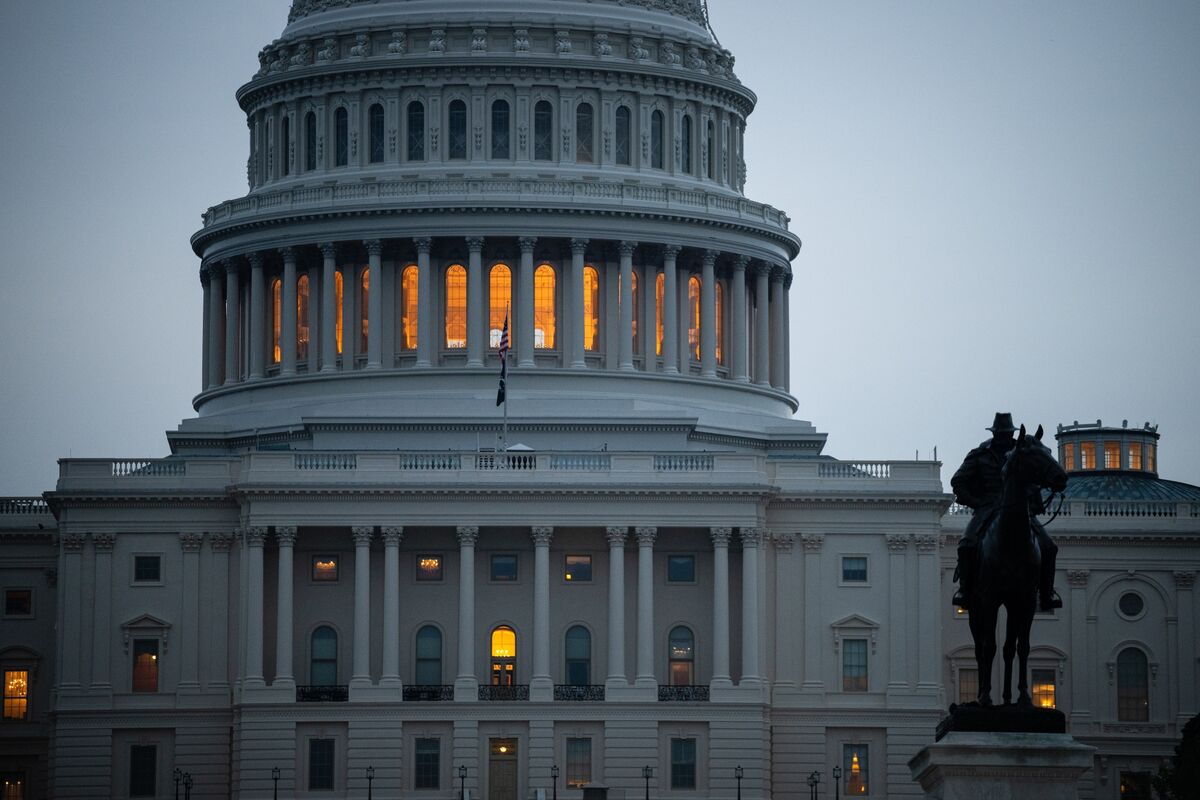
The U.S. government is once again approaching a potential shutdown due to ongoing Congressional disagreements over funding, compelling Wall Street investors to evaluate the potential for disruption across U.S. financial markets, despite a history of last-minute resolutions.
The U.S. financial markets are facing heightened uncertainty due to a potential government shutdown, a recurring event driven by Congressional disagreements over funding priorities. While historical precedent suggests many standoffs are resolved through eleventh-hour agreements, the risk of a genuine disruption to federal bureaucracy is significant enough to command Wall Street's attention. This situation introduces a moderately negative sentiment and a notable potential for market impact, as investors are compelled to price in the implications of a shutdown on the broader economy. The core issue is rooted in domestic fiscal policy and political dynamics, creating a a period of uncertainty for market-wide risk assessment rather than for specific corporate entities.
AI-powered research, real-time alerts, and portfolio analytics for institutional investors.
Request DemoOverall Sentiment
moderately negative
Sentiment Score
-0.50
