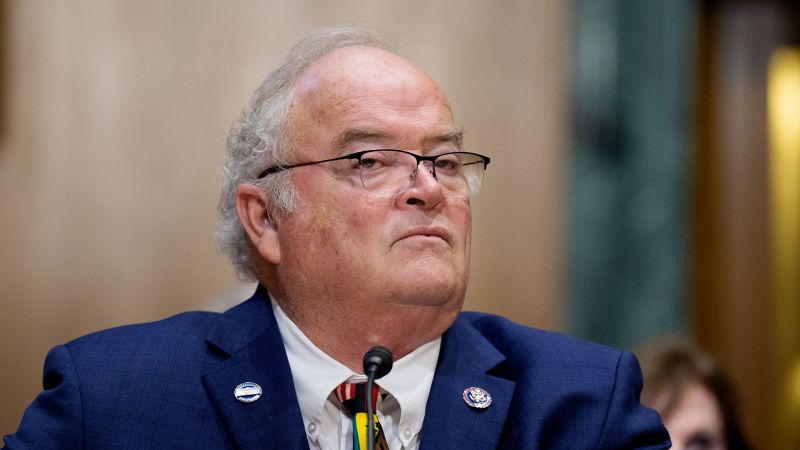
President Trump has removed IRS Commissioner Billy Long just two months after his confirmation, appointing Treasury Secretary Scott Bessent as acting head and reportedly nominating Long for an ambassadorship to Iceland. This marks an unprecedented level of leadership instability at the IRS, with seven different individuals leading the agency since the 2024 election, following significant workforce reductions and prior contentious departures of commissioners. The rapid, high-level turnover at this critical federal agency signals ongoing internal strife and could impact tax policy implementation and enforcement stability.
The forced departure of IRS Commissioner Billy Long after only two months marks a significant escalation in the leadership instability plaguing the agency. This event is not an isolated incident but rather the culmination of unprecedented turnover, with the IRS now having had seven different leaders since the 2024 election. This leadership vacuum is compounded by a substantial 25% reduction in the agency's workforce under the Trump administration, as noted in a July inspector general report. The series of departures preceding Long's, including those of career officials over policy clashes and controversial data-sharing agreements, underscores a deep-seated governance crisis. Long's own appointment was unconventional, given his limited tax experience and past advocacy for abolishing the agency. His removal and replacement by Treasury Secretary Scott Bessent as acting commissioner suggests a consolidation of control within the Treasury and signals continued political strife impacting the agency's operational stability and independence. This chronic leadership disruption, reflected in the 'strongly negative' sentiment signal, creates substantial uncertainty around the future of U.S. tax enforcement and policy implementation.
AI-powered research, real-time alerts, and portfolio analytics for institutional investors.
Overall Sentiment
strongly negative
Sentiment Score
-0.70
Ticker Sentiment
