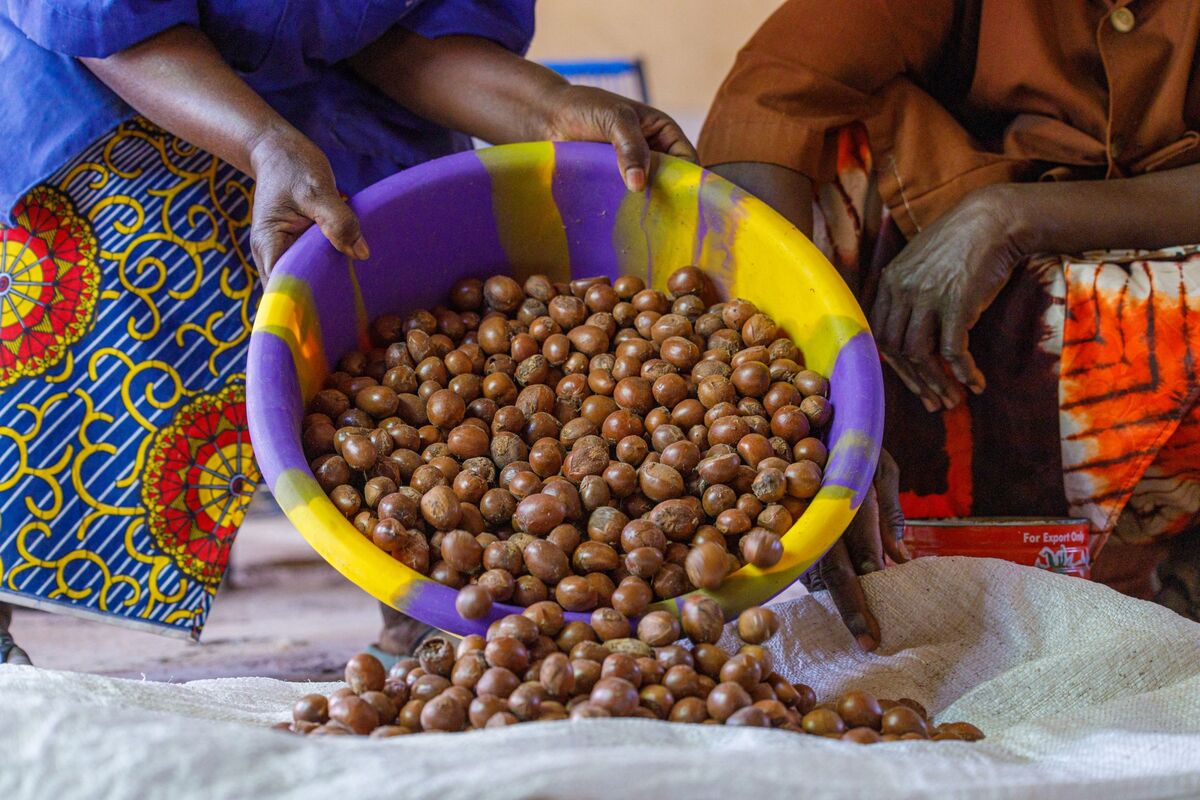
Nigerian shea nut prices plummeted 33% to 800,000 naira ($521) per ton after the government implemented an export ban, aligning with similar measures by other West African nations. This significant price collapse underscores the immediate market impact of government intervention on agricultural commodity trade, potentially disrupting global supply chains for industries reliant on shea nuts, such as cosmetics and confectionery.
The Nigerian domestic market for shea nuts has experienced a severe price shock following the government's implementation of an export ban. This policy alignment with other West African nations has led to an immediate 33% plunge in local prices to 800,000 naira ($521) per ton, as reported by the commodity consultancy Vestance. This sharp decline reflects a sudden supply glut within Nigeria, as producers are now unable to access international markets. The coordinated nature of these export restrictions across the region signals a significant tightening of global supply, which will likely disrupt supply chains for international cosmetics and confectionery companies that rely on West African shea as a key raw material.
AI-powered research, real-time alerts, and portfolio analytics for institutional investors.
Request DemoOverall Sentiment
strongly negative
Sentiment Score
-0.75
