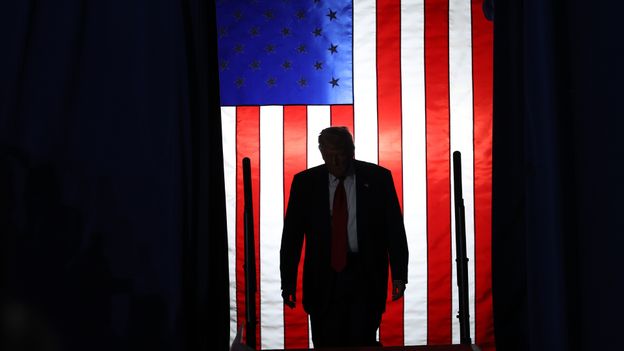
Political actions by the US administration — including tariffs, threats of annexation, detentions, mass deportations and proposals to screen tourists’ social media — have driven travel warnings and reduced demand, with the WTTC/Oxford Economics projecting a $12.5bn decline in US international visitor spending in 2025 and the US the only one of 184 countries to see a fall. The fallout is already disrupting bookings and perceptions for destinations beyond the US (notably Venezuela, Cuba, Greenland, Mexico and Colombia), prompting travel-agent cutoffs tied to government advisories and creating a sector-specific geopolitical risk that warrants monitoring for tourism-exposed equities and insurance/liability exposures.
Market structure: Geopolitical rhetoric has produced a measurable hit to inbound spend (WTTC: -$12.5bn in 2025) and a cited 46% of travellers saying they’re less likely to visit the US — a demand shock concentrated on internationally-facing hotels, premium city leisure and long-haul airlines. Winners are regional and remote destinations that capture diverted demand (Northern Europe/Arctic, intra‑EU leisure, Latin America for South American origin travel) and global safe‑haven assets; losers are US hotel operators/REITs, international long‑haul seat‑capacity airlines and experiential tour operators reliant on US cross‑flows.
Risk assessment: Tail risks include rapid military escalation or formal travel bans that trigger a multi-month bookings collapse (probability 5–10% near term but >25% if further incidents occur), and regulatory shocks such as social‑media visa screening that materially suppresses inbound travel (6–12 months to full effect). Immediate (days) risk is headline-driven booking volatility; short term (weeks–months) is revenue per available room (RevPAR) and load‑factor deterioration; long term (quarters–years) is permanent destination perception loss shifting market share.
Cross-asset implications: Expect asymmetric flows—flight‑to‑quality into US Treasuries and gold (near term), FX strength in USD on safe‑haven bids but structural weakening if tariffs/uncertainty persist; oil upside on conflict risk (supportive for XLE/USO); implied vols for travel names to stay elevated for 1–3 months. Options markets will price in skew; credit spreads of travel/leisure issuers should widen 25–75bps on sustained warnings.
Contrarian view: The market may be overpricing permanent demand loss for domestic‑heavy travel names and underpricing publicity wins for niche destinations (Greenland/Arctic) which could see conversion of awareness into bookings over 12–24 months. Historical parallels: 2003/2015 geopolitical shocks compressed international flows but domestic substitution and re‑routing restored volumes within 12–18 months; use that cadence to time re‑entry rather than sell‑and‑forget.
AI-powered research, real-time alerts, and portfolio analytics for institutional investors.
Request DemoOverall Sentiment
strongly negative
Sentiment Score
-0.60
