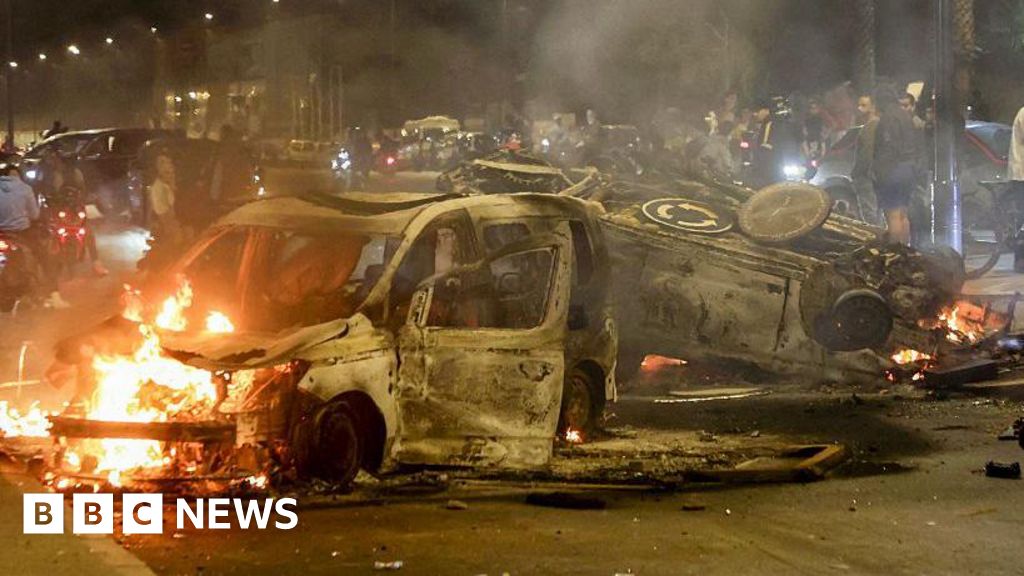
Morocco is grappling with escalating social unrest, marked by at least two reported deaths after police fired on youth-led protesters, the first fatalities since demonstrations erupted nationwide. Fueled by public anger over government spending on World Cup stadiums instead of critical public services amidst a 35.8% youth unemployment rate, the protests have spread to major cities, resulting in over 400 detentions and numerous injuries. This growing instability, set against a backdrop of similar youth-led uprisings in other nations, presents a significant risk to Morocco's political and economic stability, despite the government's expressed willingness for dialogue.
Morocco is facing a significant escalation in social and political instability, marked by the first reported fatalities since youth-led protests began. The unrest, triggered by public anger over fiscal policy prioritizing World Cup stadium construction over essential public services, is underpinned by severe economic distress, including a national youth unemployment rate of 35.8%. Protests have spread from the capital, Rabat, to key commercial and tourism hubs such as Casablanca, Tangier, and Marrakesh, indicating a nationwide crisis rather than a localized issue. The government's response appears inconsistent, with public statements supporting dialogue contrasting sharply with lethal police action and the detention of over 409 individuals. This instability, framed by the article within a global context of similar youth-led uprisings that have destabilized governments in other emerging markets, presents a material risk to Morocco's economic outlook and investment environment, threatening sectors reliant on social stability, such as tourism and consumer discretionary spending.
AI-powered research, real-time alerts, and portfolio analytics for institutional investors.
Overall Sentiment
strongly negative
Sentiment Score
-0.75
Ticker Sentiment
