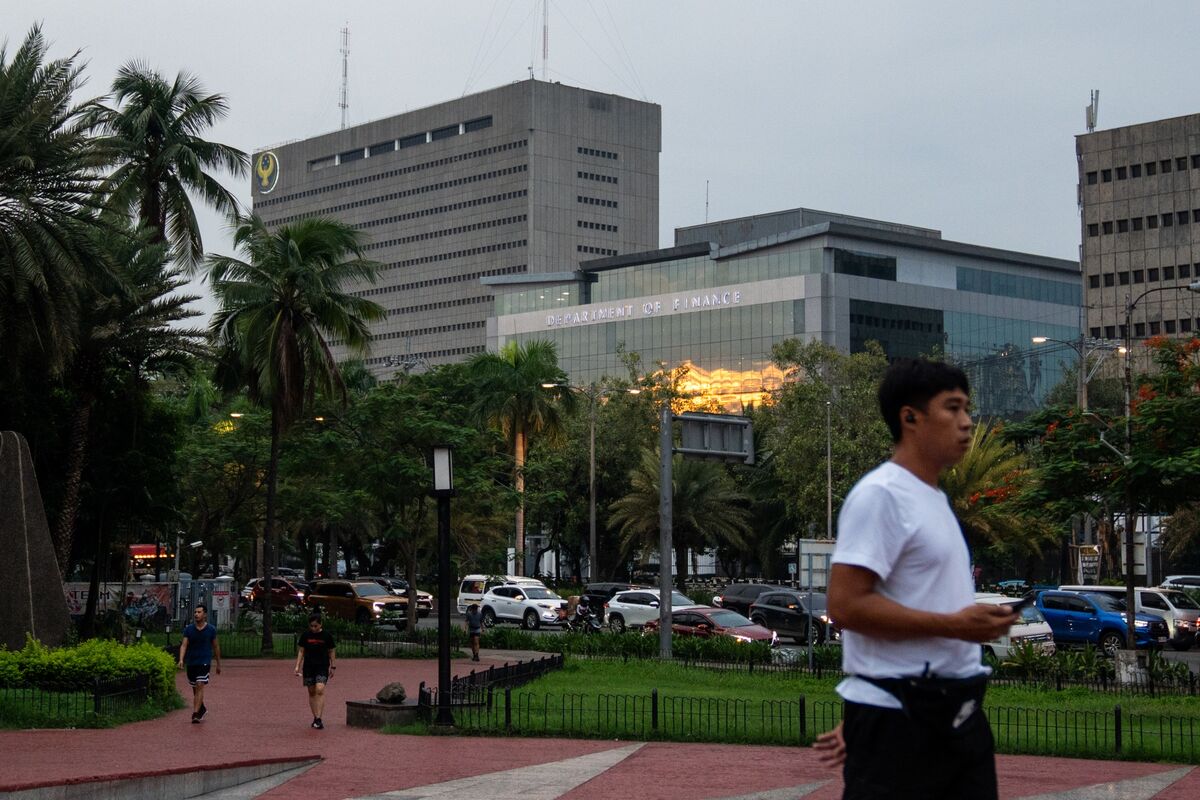
The Philippine central bank (Bangko Sentral ng Pilipinas) cut its key interest rate by 25 basis points to 5.25%, marking the second reduction this year. This decision, anticipated by most economists surveyed by Bloomberg, comes as inflation remains below the central bank's target, signaling a continued effort to stimulate economic activity amid controlled price pressures.
The Bangko Sentral ng Pilipinas (BSP) executed a 25 basis point reduction in its overnight target reverse repurchase rate, establishing the new rate at 5.25%. This action represents the second interest rate cut by the Philippine central bank this year and was largely anticipated, with 29 out of 30 economists in a Bloomberg survey forecasting this move. The primary catalyst for this decision is the continued persistence of inflation below the central bank's target level. This policy adjustment underscores a dovish monetary stance from the BSP, aimed at stimulating economic activity amidst a backdrop of controlled price pressures. The general sentiment surrounding this development is moderately positive, with an expected moderate market impact, suggesting that the cut was largely priced in by market participants. This proactive measure highlights the BSP's focus on managing economic conditions within an emerging market context, particularly as inflation remains subdued.
AI-powered research, real-time alerts, and portfolio analytics for institutional investors.
Request DemoOverall Sentiment
moderately positive
Sentiment Score
0.40
