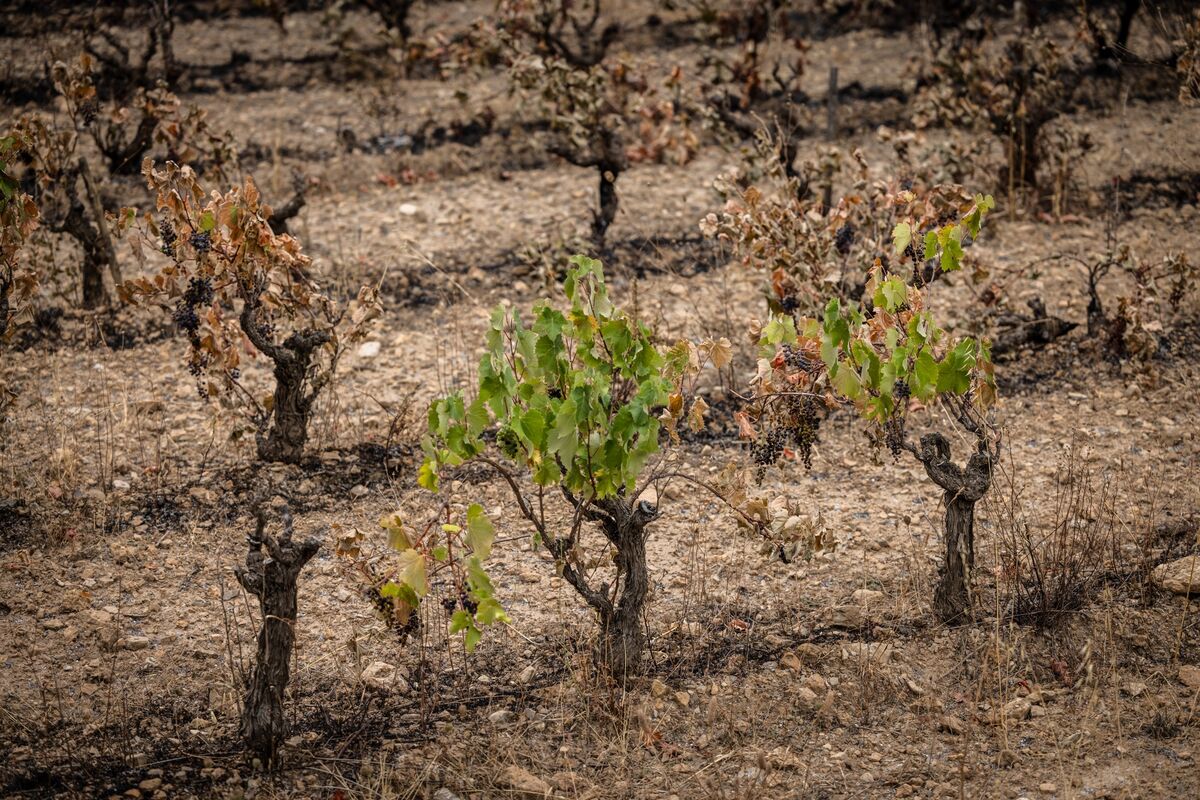
France's agriculture ministry projects 2025 wine production at 37.4 million hectoliters, a 13% reduction from the five-year average, primarily due to damage from summer heat waves, drought, and wildfires. This revised forecast, significantly lower than earlier estimates of up to 42.5 million hectoliters, underscores the increasing vulnerability of agricultural yields to extreme weather events.
France's agriculture ministry has materially downgraded its 2025 wine production forecast to 37.4 million hectoliters, a significant drop from the earlier estimate of up to 42.5 million hectoliters. This revised figure positions the 2025 harvest as 13% below the five-year average, signaling a notable supply constraint for the global wine market. The reduction is directly attributed to severe weather events, including heat waves, drought, and wildfires, which have inflicted considerable damage on vineyards. While output is projected to be slightly higher than the 2024 harvest, which was also adversely affected by weather, the data points to a second consecutive year of below-average production. This trend highlights a persistent and growing vulnerability of French viticulture to climate-related risks, moving beyond a one-off seasonal event to a more structural headwind for the industry.
AI-powered research, real-time alerts, and portfolio analytics for institutional investors.
Request DemoOverall Sentiment
moderately negative
Sentiment Score
-0.60
