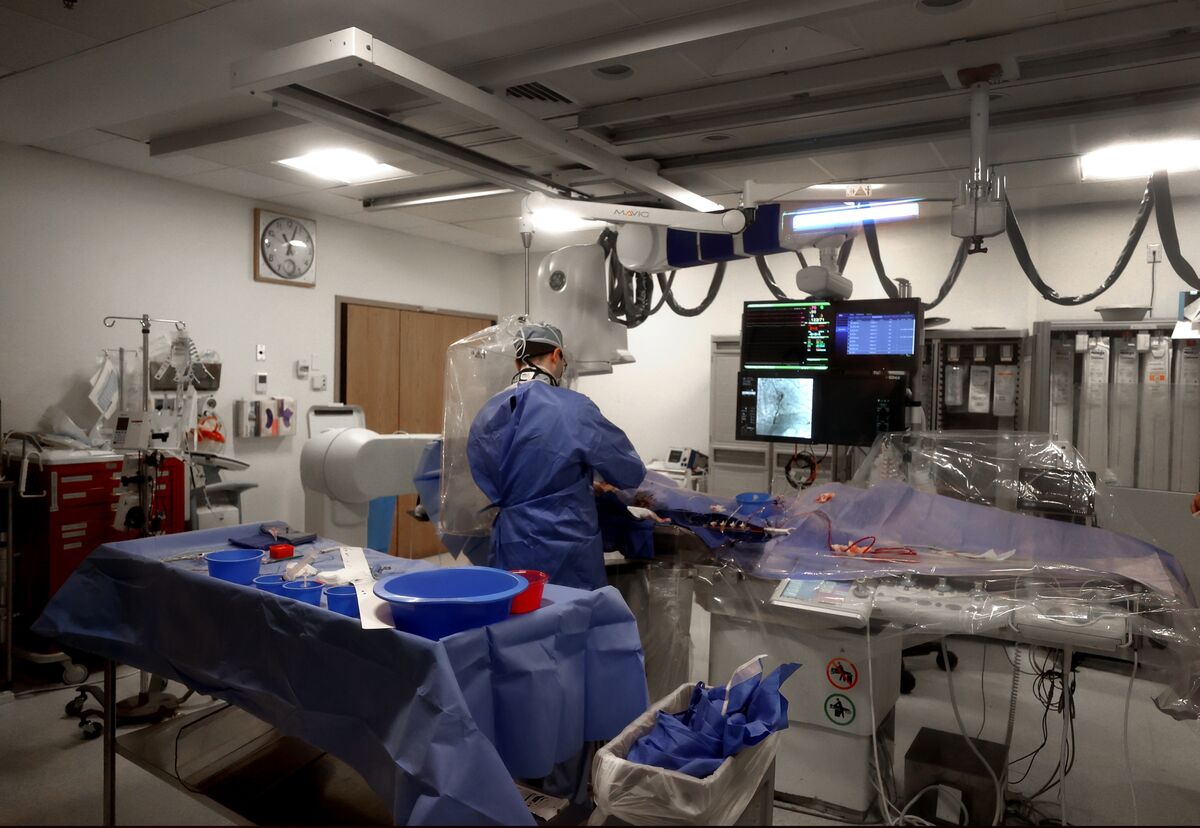
Massachusetts has approved a $234 million state funding package for its major hospital systems, including UMass Memorial Medical Center and Tufts Medical Center, to mitigate deepening financial strains and anticipated federal healthcare cuts from the Trump administration. The aid package allocates $122 million to acute-care hospitals, $77 million to the Health Safety Net Trust Fund for uninsured care, and an additional $35 million for community health centers, providing crucial financial support to the state's healthcare infrastructure.
The state of Massachusetts has approved a $234 million funding package to support its hospital systems, directly addressing what are described as deepening financial strains and anticipated federal budget cuts. The allocation is specifically targeted, with $122 million designated for acute-care hospitals, $77 million for the Health Safety Net Trust Fund to cover services for uninsured residents, and $35 million for community health centers. This state-level fiscal intervention provides a significant, albeit temporary, financial backstop for major non-profit providers such as UMass Memorial Medical Center and Tufts Medical Center. The move underscores a key theme of state governments acting to mitigate the local impact of shifting federal healthcare policy. As no publicly traded entities are directly mentioned, the primary market implication is not for a specific equity but rather for the overall financial health and operational stability of the Massachusetts healthcare sector and its supply chain.
AI-powered research, real-time alerts, and portfolio analytics for institutional investors.
Request DemoOverall Sentiment
moderately positive
Sentiment Score
0.50
