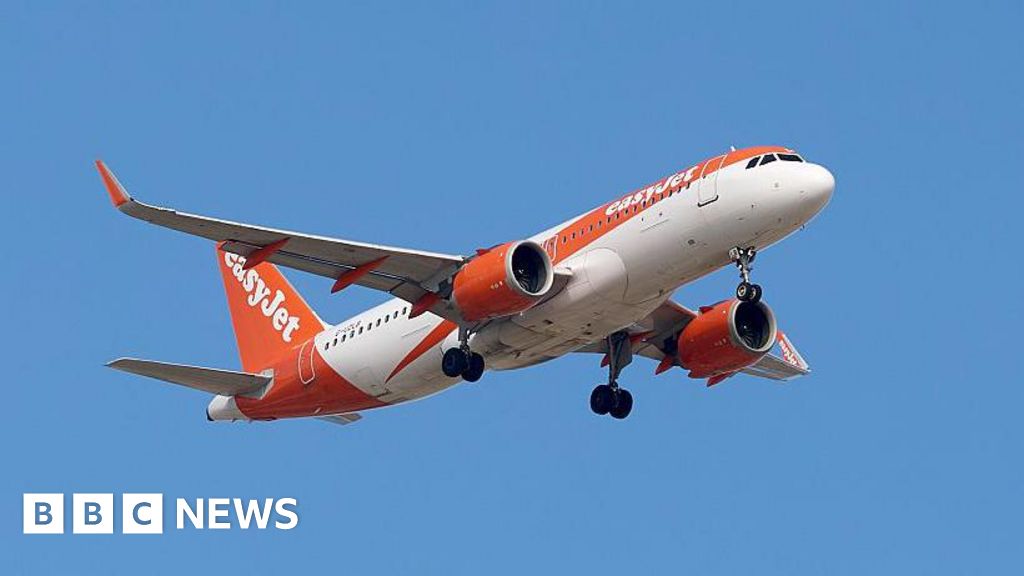
Airbus has grounded roughly 6,000 A320-family aircraft after discovering that intense solar radiation can corrupt altitude-calculating software on fly-by-wire systems; EASA has issued an emergency airworthiness directive requiring fixes before passenger flights. Approximately 5,100 aircraft can be returned to service after a ~3-hour software update, while about 900 older jets require onboard computer replacements, creating potential downtime and parts/capacity risk that will generate operational disruption and repair costs for airlines and may pressure Airbus reputationally and operationally during a peak travel period. Major carriers reported varying exposure (American ~340 affected, Jetstar ~one-third of fleet, EasyJet already updating many aircraft), and the duration of disruption will depend on replacement computer availability and airlines' upgrade strategies.
Market structure: The immediate winners are MRO/avionics vendors and certified maintenance providers (demand shock for hardware swaps and software-install labor); losers are airlines with high A320 concentration and weaker balance sheets (low-cost carriers that rely heavily on older A320 variants). About 6,000 A320-family aircraft are implicated, ~5,100 fixable with ~3-hour software updates and ~900 needing hardware swaps — a bifurcated impact that creates short-term capacity shortages and selective pricing power for unaffected fleet types.
Risk assessment: Tail risks include a regulatory order expanding hardware replacement beyond 900 aircraft (if more incidents appear) or a major accident triggering prolonged groundings and insurance/liability claims; both would extend disruption from days to quarters. Time horizons split clearly: immediate (days) — cancellations/volatility; short-term (weeks–months) — MRO backlog, spare-part lead times; long-term (quarters–years) — higher maintenance capex, possible resale-value impairment for older A320s.
Trade implications: Short-duration trades should target reputationally exposed carriers (JBLU) with 1–3 month puts sized 2–3% portfolio; consider a relative trade long AAL vs short JBLU (AAL disclosed 340 affected but expects rapid remediation). Long 3–9 month positions in specialist MRO/avionics names (e.g., HEI, AIR) to capture replacement hardware demand; consider buying airline credit protection if bond spreads widen >50–75bp.
Contrarian angle: The market may overreact — ~85% of the affected fleet is fixable by a short update, so operational pain may largely be front-loaded within 7–14 days; that implies a volatility sell/mean-reversion opportunity once EASA allows passenger service. Conversely, if replacement-computer lead times exceed 30 days or the count of hardware-replacements rises above 10% of the A320 fleet, the consensus underestimates medium-term capex and credit stress for small LCCs.
AI-powered research, real-time alerts, and portfolio analytics for institutional investors.
Request DemoOverall Sentiment
moderately negative
Sentiment Score
-0.42
Ticker Sentiment
