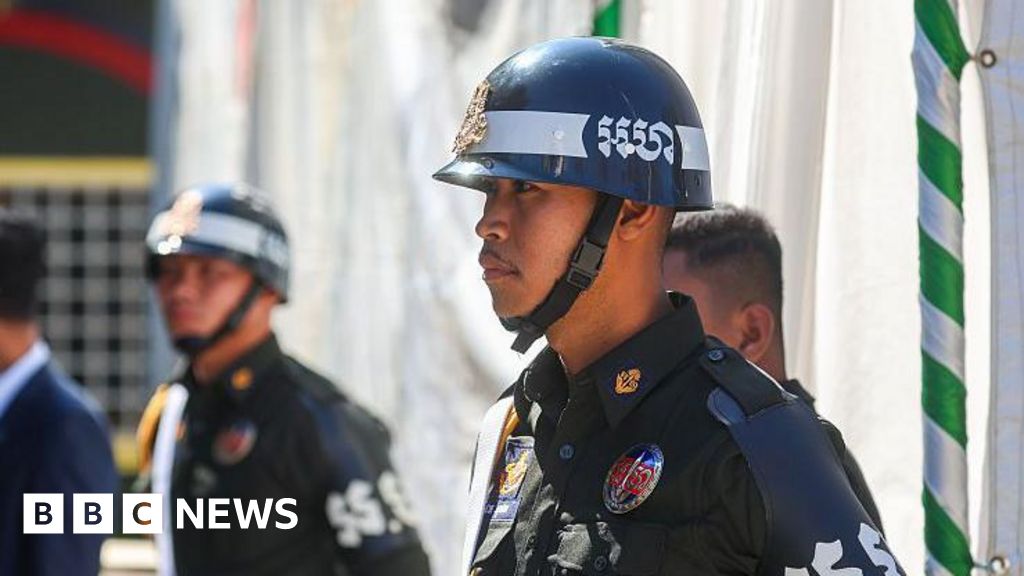
Thailand's army accused Cambodia of breaching a newly signed ceasefire after detecting more than 250 UAVs flying from the Cambodian side, warning it may reconsider releasing 18 Cambodian soldiers held since July. The ceasefire — reached after days of talks with diplomatic input from China and the US and meant to freeze front lines and allow civilians to return — followed weeks of deadly clashes that displaced nearly one million people and left dozens dead. Renewed violations risk reigniting cross-border fighting and heightening regional geopolitical risk, with potential negative implications for investor sentiment in Southeast Asian markets.
Market structure: Immediate winners are regional defense and drone suppliers and safe-haven assets; losers are Thailand border-proximate tourism, local retail banks in affected provinces, and cross-border trade intermediaries. Expect a 2–6% near-term NAV hit in small-cap Thai stocks tied to tourism and logistics on a 1–4 week horizon; SET large-cap exporters could be insulated but face FX volatility. Drones as a procurement category will see demand growth and pricing power for specialist OEMs if incidents persist.
Risk assessment: Tail risk includes escalation to multi-day conventional fights or wider diplomatic sanctions involving major powers — low probability (<10%) but high impact (market dislocations, >10% drawdowns in Thai assets). Immediate (days) risk is volatility/flow out of THB and Thai equities; short-term (weeks–months) risk is weaker tourism receipts (possible -15–30% in border provinces); long-term (quarters–years) risk is re-prioritization of Thai public spending toward defense. Hidden dependencies: prisoner-release politics and drone attribution are catalysts that can rapidly reverse calm.
Trade implications: Tactical plays include shorting tourism-exposed Thai names and FX-hedging THB, and small-long positions in global defense names and gold as convexity. Use 1–3 month options to asymmetrically express risk while avoiding balance-sheet exposure to Thai sovereigns. Rebalance within 2–8 weeks depending on ceasefire durability and 2%+ moves in USD/THB.
Contrarian angles: Consensus may overprice prolonged conflict; historical border skirmishes in ASEAN often fade within 1–3 months, creating mean-reversion opportunities in beaten-down Thai consumer names. Conversely, defense suppliers may already partially price in recurring skirmishes — look for mid-cap OEMs with demonstrated drone tech revenue under 12–24 month contracts for higher alpha.
AI-powered research, real-time alerts, and portfolio analytics for institutional investors.
Request DemoOverall Sentiment
moderately negative
Sentiment Score
-0.50
