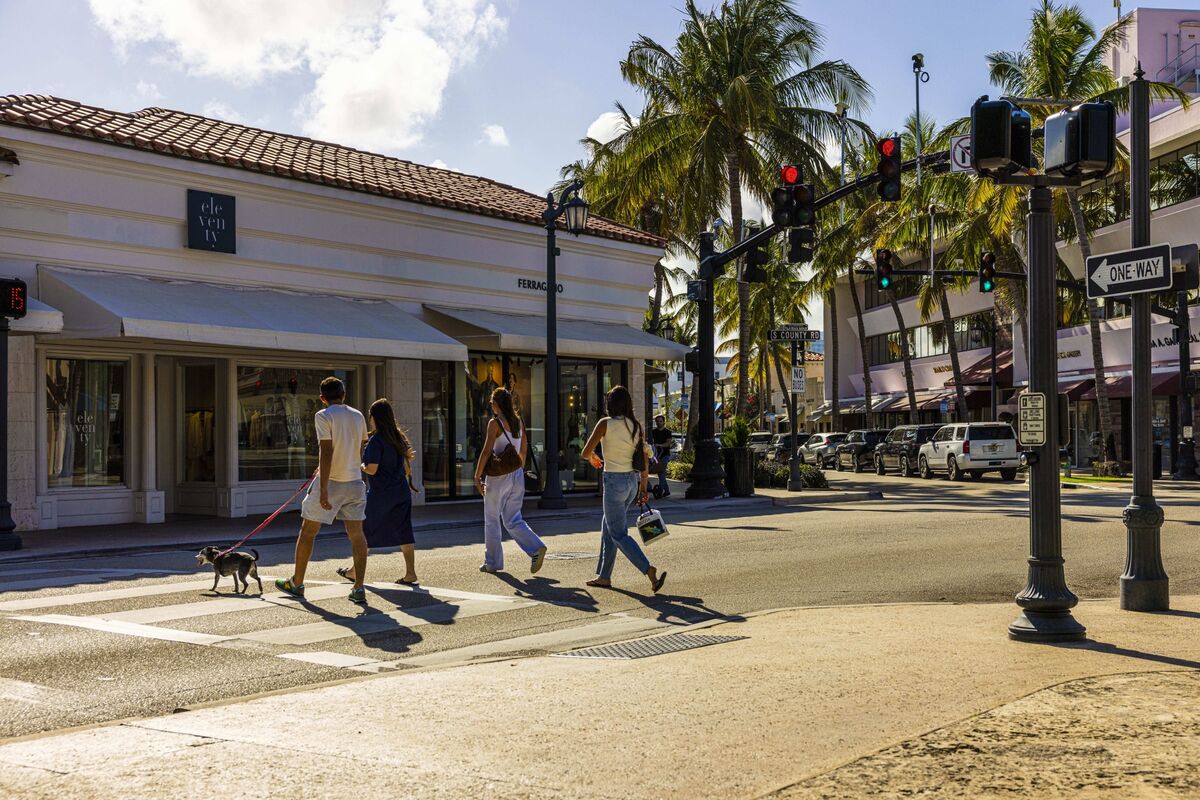
US consumer spending experienced its largest decline since the start of the year in May, with inflation-adjusted personal consumption expenditures falling 0.3%, signaling that elevated uncertainty around economic policies is increasingly dampening growth prospects. Concurrently, the Federal Reserve's preferred core PCE price index rose 0.2%, slightly more than expected but still indicating muted inflationary pressures.
The latest economic data reveals a concerning deceleration in U.S. consumer activity, a primary engine of economic growth. Inflation-adjusted personal consumption expenditures fell by 0.3% in May, marking the most substantial decline since the start of the year. This contraction is attributed to elevated uncertainty surrounding the Trump administration's economic policies, which appears to be weighing on consumer sentiment and spending habits. Concurrently, the Federal Reserve's preferred inflation gauge, the core PCE price index (excluding food and energy), rose by a modest 0.2%. While this was slightly above forecasts, it reinforces the narrative of muted price pressures, providing a conflicting signal for monetary policy. The combination of weakening consumption and stable, low inflation suggests a potential slowdown in economic momentum, creating a challenging environment for policymakers.
AI-powered research, real-time alerts, and portfolio analytics for institutional investors.
Request DemoOverall Sentiment
moderately negative
Sentiment Score
-0.60
