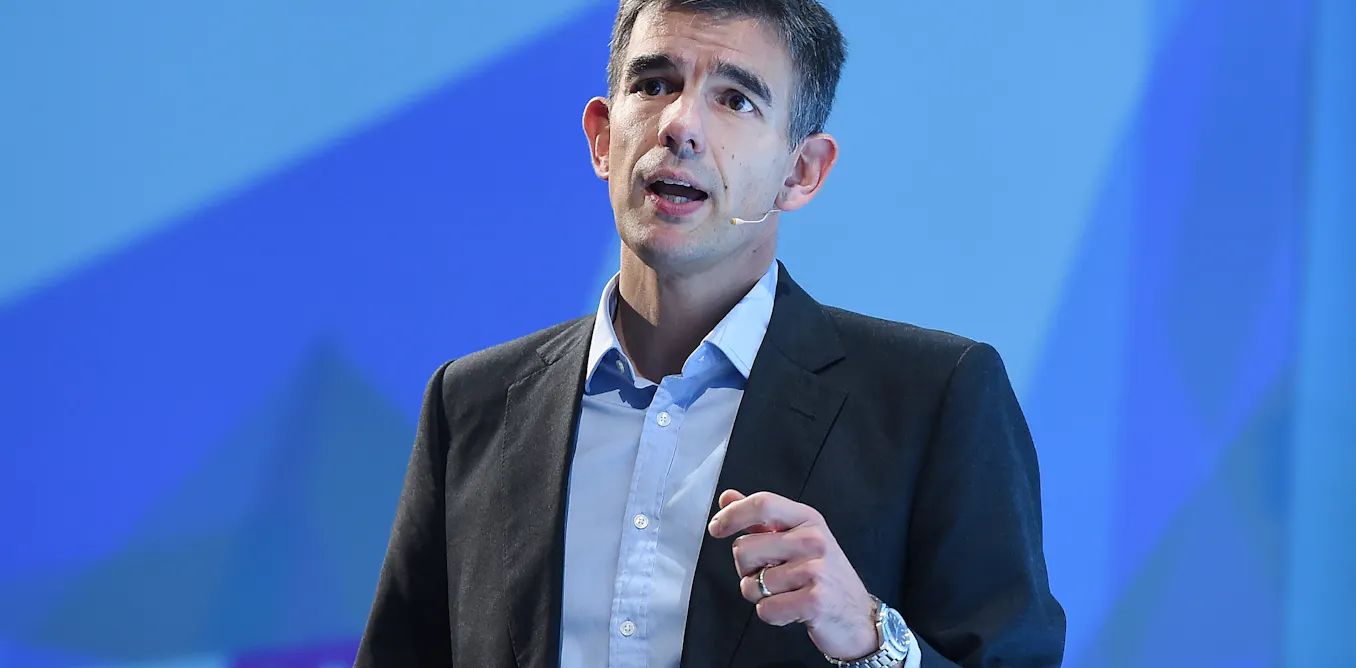
Matt Brittin has been appointed BBC director general and the government announced intent to make the royal charter permanent, with firmer proposals due in the autumn and sign-off expected early next year. Major policy levers under review include funding reform (reformed licence fee, advertising, or top-up subscriptions — general taxation ruled out), governance changes to insulate board appointments, and a potential terrestrial broadcast switch-off that would shift the BBC into competition with streamers and platforms. Political risk remains material — Nigel Farage’s party has proposed a 50% cut to BBC funding — so outcomes could materially affect UK media-sector competition and investment; monitor autumn proposals and senior deputy hires closely.
Brittin’s profile materially shifts the strategic axis of the BBC from public-broadcaster instincts toward platform and distribution economics; that tilt magnifies upside for global cloud/CDN and programmatic-ad incumbents that can become the BBC’s infrastructure and monetization partners. Expect negotiations over identity, measurement, and ad inventory control to be the binding constraints — if the BBC pursues hybrid/ad tiers, it will drive incremental ad impressions that disproportionately flow to vendors with scale in server-side ad insertion and content ID (Google/YouTube, major SSPs).
A reformed funding model that delinks universal payment from a TV licence creates a bifurcated content supply shock: a smaller, guaranteed-funded core for public-purpose output and a market-facing premium tier that must monetize directly. That will raise short-term prices for UK production (higher bids from streamers and premium BBC) and lengthen working capital cycles for indie producers; over 12–36 months this squeezes margins of mid-sized studios while increasing licensing leverage for top-tier global streamers and cloud providers who can finance big shows.
Politically-driven downside scenarios (major funding cuts) remain the dominant tail risk and would accelerate rights-sales and asset-light models — a Fast Monetize path where the BBC licenses IP aggressively to Netflix/Peacock/etc., benefiting those buyers but starving UK production hubs. The early catalysts are governance changes and the autumn policy paper; market-moving funding decisions are likeliest in the 3–15 month window, while distribution-technology outcomes play out over 1–7 years depending on switch-off timing.
AI-powered research, real-time alerts, and portfolio analytics for institutional investors.
Request DemoOverall Sentiment
mildly positive
Sentiment Score
0.25
Ticker Sentiment
