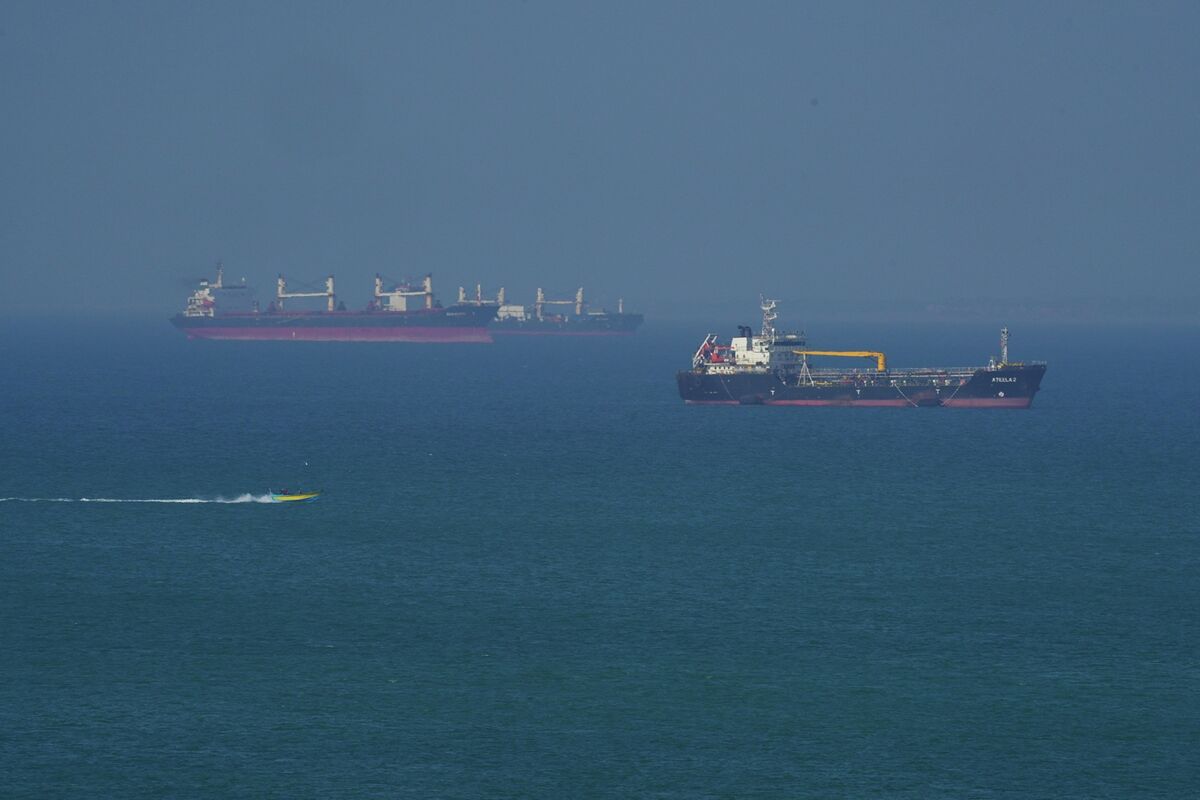
Only a handful of Iran-linked ships are transiting the Strait of Hormuz, with just one fuel tanker entering the Persian Gulf on Thursday and no exits recorded so far. Bloomberg vessel-tracking data also showed only three outbound and two inbound dry-cargo transits on Wednesday, indicating the waterway is effectively closed to most international shipping amid blockades by Tehran and the US. The disruption raises near-term risks for energy flows and regional trade.
The market is likely underpricing the *duration* risk rather than the headline shipping disruption. Even a partial, non-kinetic closure of Hormuz can force buyers and traders to re-route inventory decisions immediately, which means the first-order price response in energy may be followed by a second-order squeeze in freight, insurance, and working-capital needs for refiners and commodity merchants. The key distinction is that this is not just a spot oil story; it is a balance-sheet story for any business that depends on uninterrupted seaborne flow. The near-term winners are the assets that monetize scarcity or volatility: upstream energy, LNG export infrastructure outside the region, tanker operators with exposed day rates, and marine insurance/war-risk underwriters if they can reprice fast enough. Losers are the most levered consumers of imported barrels and Middle East-linked feedstocks, especially Asian refiners and chemical producers with thin crack spreads, because they absorb higher input costs before they can pass them through. Industrial and transport equities with low pricing power should underperform if the market starts extrapolating even a short-lived blockade into a quarter of inventory rebuilds. The biggest tail risk is not a clean reopening but a series of stop-start transits that keeps freight and insurance elevated while suppressing physical movement. That can create a lagged inflation impulse over weeks, then a broader risk-off repricing over months if supply chains begin to de-stock and restock repeatedly. The reversal catalyst is diplomatic de-escalation or an explicit corridor guarantee; absent that, any headline that proves the waterway is only "partially" open may still be bearish for transportation and import-sensitive sectors because it preserves uncertainty. The contrarian angle is that the equities market may front-run a prolonged energy spike that never fully materializes if strategic releases, rerouting, and inventory draws absorb the shock. But the more interesting contrarian trade is that volatility itself could be more persistent than spot prices, making the best risk-adjusted expression long optionality rather than outright commodity beta. If the situation stays ambiguous, the winners will be the firms that can price uncertainty quickly, not necessarily those most exposed to the commodity move.
AI-powered research, real-time alerts, and portfolio analytics for institutional investors.
Request DemoOverall Sentiment
mildly negative
Sentiment Score
-0.35
