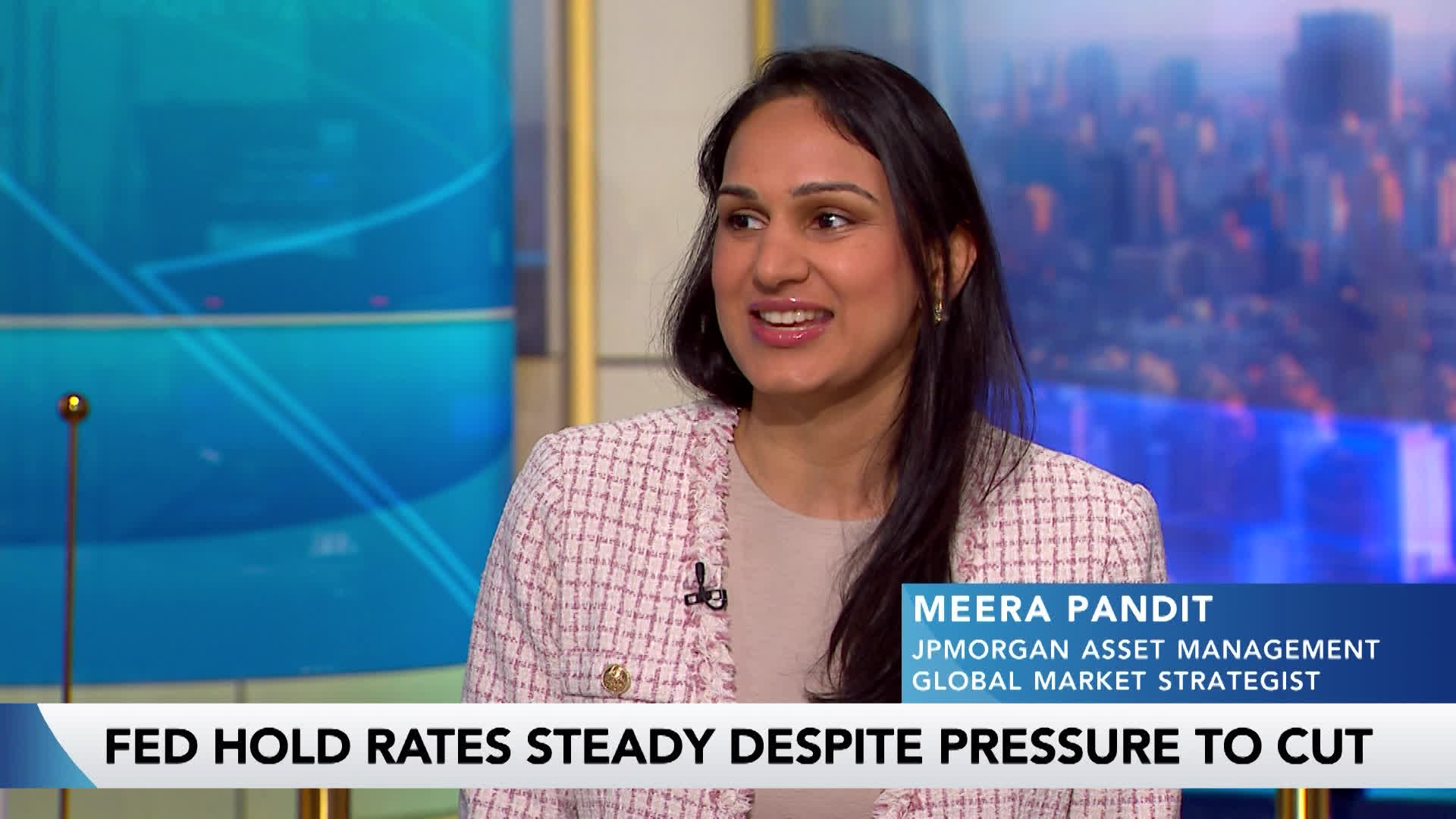
On July 30, 2025, the Federal Reserve held interest rates steady, a decision potentially reflecting internal deliberations as highlighted by Esther George's comments on dissent. This monetary policy stability occurs amid President Trump's recent 'trade surprises,' which are introducing market uncertainty ahead of an impending tariff deadline.
The Federal Reserve's decision on July 30, 2025, to maintain steady interest rates provides a temporary anchor of stability in an otherwise uncertain macroeconomic environment. However, comments from Esther George highlighting dissent as a natural part of the decision-making process suggest that the consensus within the FOMC may be fragile, signaling potential for future policy divergence. This monetary policy pause is juxtaposed with significant geopolitical risk stemming from President Trump's unexpected trade actions ahead of a looming tariff deadline. The combination of a wait-and-see Fed and unpredictable trade policy creates a complex landscape for investors, where monetary policy predictability is being offset by heightened political and economic volatility.
AI-powered research, real-time alerts, and portfolio analytics for institutional investors.
Request DemoOverall Sentiment
mixed
Sentiment Score
0.00
