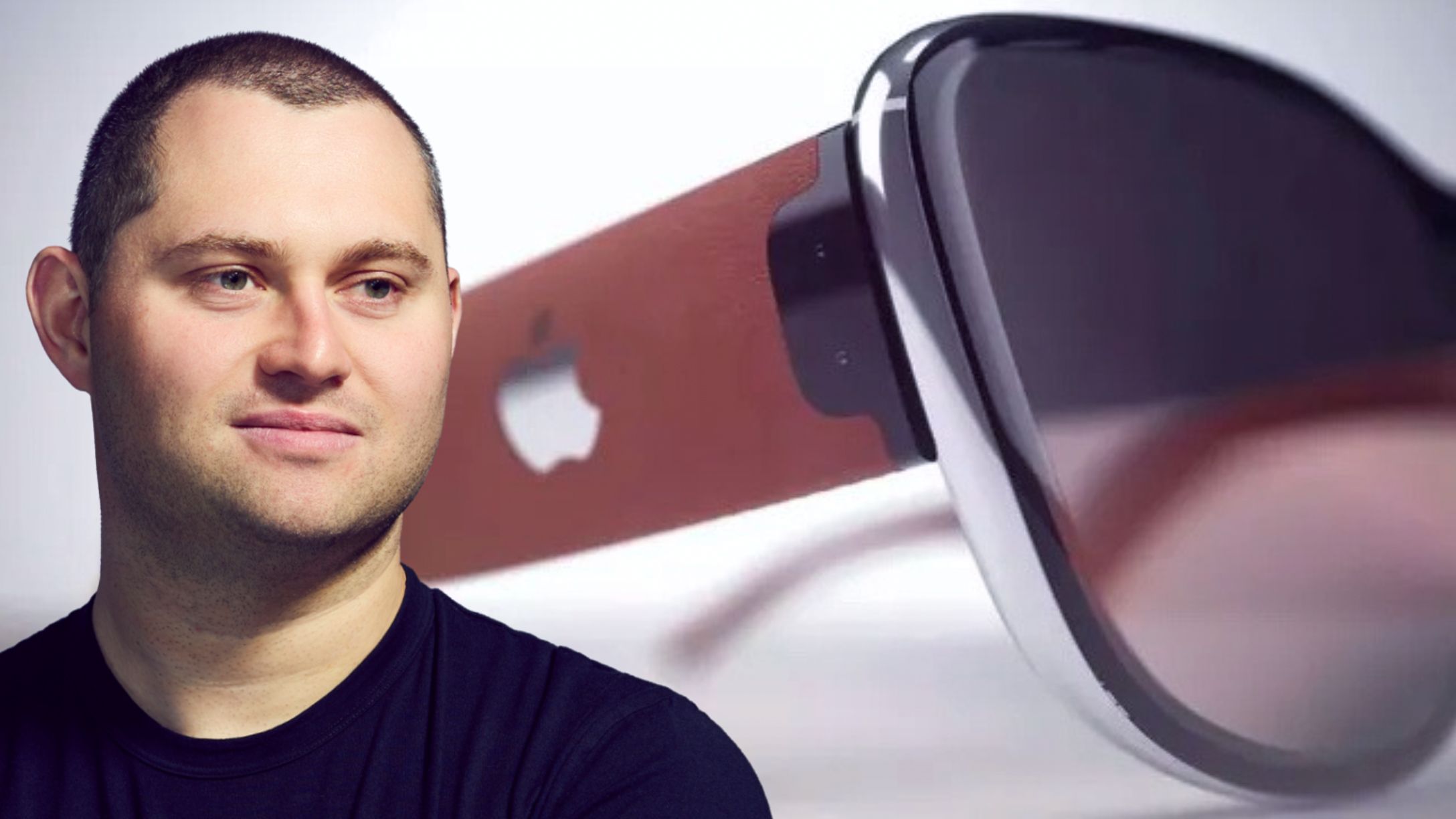
Apple is expected to launch its first smart glasses in the September/October timeframe, with rollout to customers likely in early 2027. The product is positioned as a display-free, iPhone-integrated alternative to Meta Ray-Ban glasses, using Apple silicon, a revamped Siri, and visual-intelligence features such as contextual reminders and turn-by-turn directions. Apple is also reportedly developing AirPods with cameras and an AI pendant, broadening its AI wearable lineup.
Apple’s near-term edge is not that it is first to category, but that it can compress the product decision cycle for the installed base. A late-2025 launch would matter because it turns smart glasses from a niche hardware demo into a holiday-gift attachment sale at the exact moment Meta is trying to normalize the form factor; that shifts the battle from pure awareness to default ecosystem choice. The incremental adoption vector is less “new category creation” and more iPhone accessory upsell, which is materially higher-conviction than standalone wearables. The biggest second-order effect is that Apple is effectively underwriting demand for a broader sensor stack: camera modules, low-power edge compute, and premium frame manufacturing. That is bullish for component suppliers and premium eyewear distribution, but the winner is Apple if it can force the market to price glasses as an iPhone SKU rather than a consumer electronics SKU. For Meta, the risk is not just share loss; it is slowing the learning curve on a product where distribution and gifting behavior matter more than raw specs. The gating factor is Siri quality, and that makes this a two-stage trade. If Apple ships hardware before the assistant is meaningfully upgraded, the first release will be more of a fashion/accessory event than a utility event, which caps attach rates and limits upside to the ecosystem narrative. Conversely, if the AI layer arrives with acceptable latency and context awareness, the product could re-rate as an addressable-market expansion for iPhone, with follow-on wearables driving a multi-year accessory cycle. Consensus is probably overestimating the direct threat to Meta’s current volumes and underestimating the benefit to Apple’s ecosystem margin mix. The faster monetization path is not unit sales of glasses themselves, but pull-through on iPhone upgrades, AirPods, and services tied to camera/context features. That also means the market may initially misprice the long tail: the first-order reaction is hardware hype, but the real P&L lever is ecosystem lock-in and substitution of third-party wearables over the next 12-24 months.
AI-powered research, real-time alerts, and portfolio analytics for institutional investors.
Request DemoOverall Sentiment
mildly positive
Sentiment Score
0.25
Ticker Sentiment
