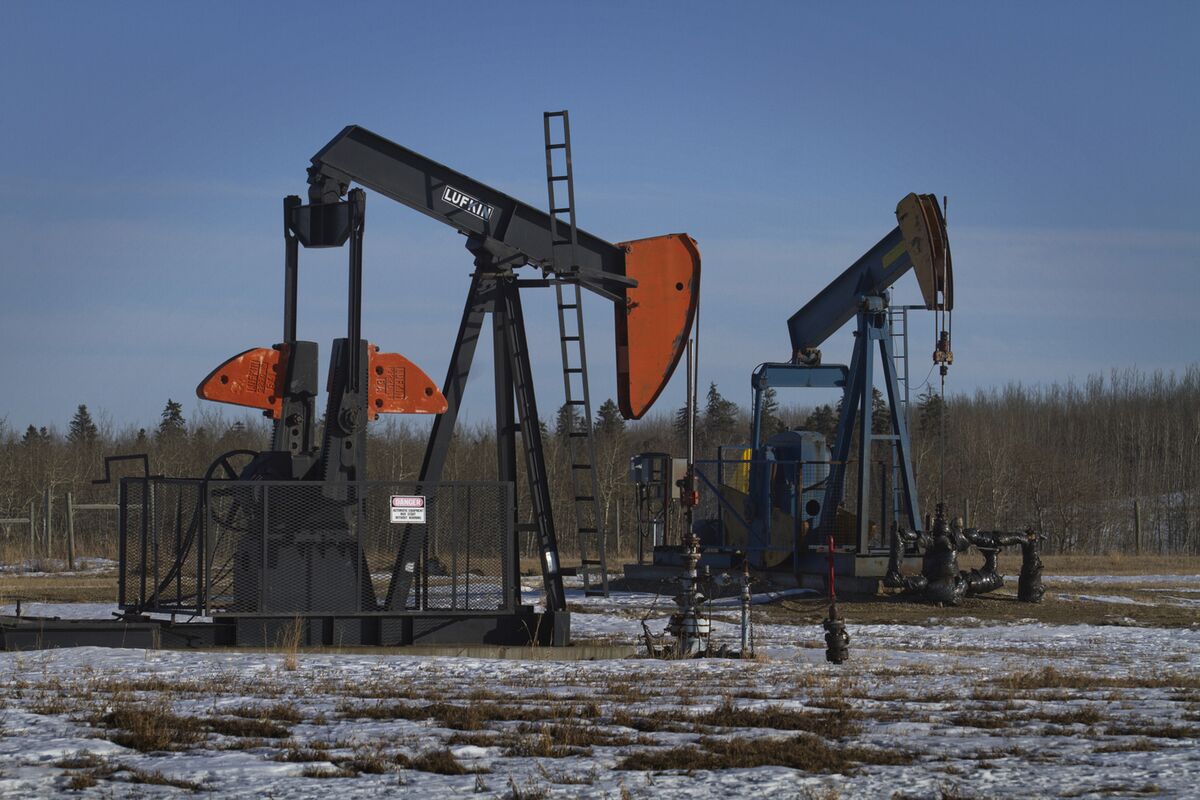
New West Data is exploring a US initial public offering to raise capital to expand its oil-well and power portfolio to support high-performance computing infrastructure. The Calgary-based firm currently uses natural gas to generate electricity for Bitcoin mining and would use IPO proceeds to buy more wells and power capacity to pivot into more energy-intensive HPC operations.
This is less a pure energy story and more a market-structure arbitrage: monetizing low‑value, stranded gas into controllable baseload power creates a new, elastic supply source for on‑site high‑performance computing (HPC). The incremental economics are twofold — capture of otherwise-wasted margin on gas (supporting lower effective power cost) and control of a geographically concentrated, dispatchable power asset that can be scaled to match GPU/accelerator hardware cycles. Expect local merchant power prices to compress during ramp phases (night/off‑peak) where these facilities absorb excess gas, pressuring nearby peakers and storage owners that currently arbitrage diurnal spreads.
GPU and cooling supply chains are the binding constraints for converting that cheap power into HPC throughput: if GPU lead times stay >6 months or memory/PCIe bottlenecks persist, cash raised in an IPO will face diminishing near-term throughput conversion. Conversely, if GPU supply loosens, vertically integrated operators with captive power will outcompete colocation players on price-per-FLOP, forcing pricing repricing at the low end of the data‑center market within 12–36 months. Regulatory and reputational feedback is a high‑probability risk: local emissions/permit challenges and SEC scrutiny of hybrid energy/crypto capital raises can delay projects by quarters and raise financing costs.
Second-order winners include semiconductor capital equipment and GPU vendors (demand pull for capacity) and hyperscale/colocation operators forced to lower on‑ramps; losers include marginal merchant generators, flaring‑capture service providers who lose pricing power, and pure-play bitcoin miners that lack control of power supply. Time horizons stack: IPO/capital event (0–6 months) → GPU and permitting execution (6–24 months) → visible margin shift in regional power markets (12–36 months).
AI-powered research, real-time alerts, and portfolio analytics for institutional investors.
Request DemoOverall Sentiment
mildly positive
Sentiment Score
0.20
