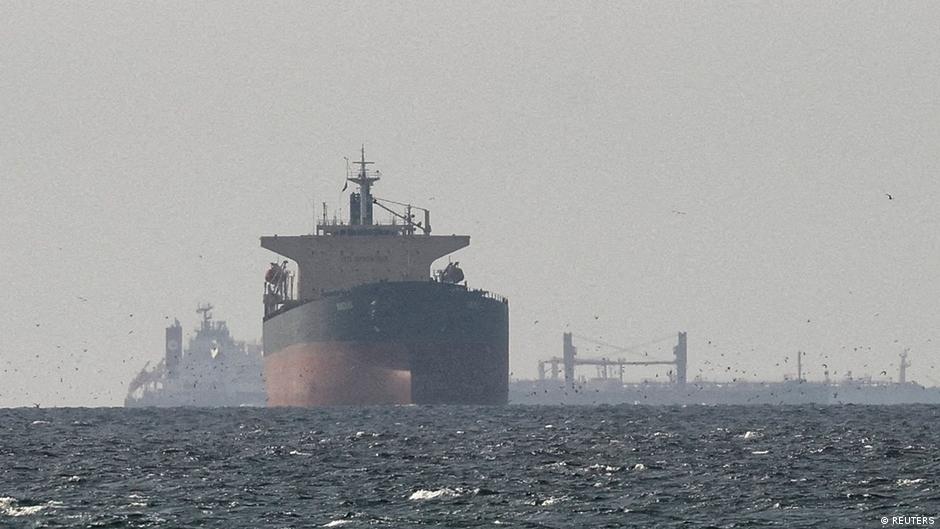
India will cap monthly increases in aviation turbine fuel (ATF) for domestic flights at 25% after ATF hit Rs 207,341.22 per kiloliter (~$2,212/kl) and international jet fuel has risen ~107%; the move aims to limit fare shocks. The surge is attributed to Middle East supply disruptions and the Indian rupee's 14-year low, while India urged reopening the Strait of Hormuz at a UK-chaired summit, highlighting energy-security risks but no concrete multinational plan was agreed.
A government-imposed constraint on domestic fuel pass-through combined with sustained maritime insecurity creates an immediate profitability squeeze for asset-light domestic airlines while transferring margin volatility upstream to state-controlled oil entities and traders holding physical barrels. Airlines will likely defer capacity growth and accelerate cost-cutting (maintenance deferrals, laid-off staff, route pruning), compressing demand for ancillary services (regional leasing firms, airport retail) over the next 3-9 months.
Sustained shipping risk around the Gulf elevates insured voyage costs and incentivizes longer reroutes; incremental voyage days (typically +7–12 days round-trip for Cape reroutes) and higher war-risk premia act as a tacit tax on spot crude and refined product arbitrage. Beneficiaries are owners of large crude tankers and firms positioned to capture windfall freight spreads, while short-term physical traders face higher roll and storage costs that favor option-based hedging strategies.
Macro spillovers into FX and inflation are non-linear: continued import-cost pressure on the currency can force central bank tightening within a 1–3 quarter window, which would compress equity multiples in rate-sensitive sectors. Conversely, large tactical SPR releases or a rapid diplomatic security pact (a 30–60 day bilateral operational window) would erase the risk premium quickly and reverse direction across shipping, airlines, and spot crude markets.
Key market signals to monitor are war-risk insurance premia (if they double relative to the 12-week average), a sustained 2–3% weekly depreciation in the currency, and Brent spikes above immediate resistance levels — each presents an asymmetric catalyst that flips winners/losers in 7–60 days depending on whether the driver is military escalation or diplomatic containment.
AI-powered research, real-time alerts, and portfolio analytics for institutional investors.
Request DemoOverall Sentiment
mildly negative
Sentiment Score
-0.30
