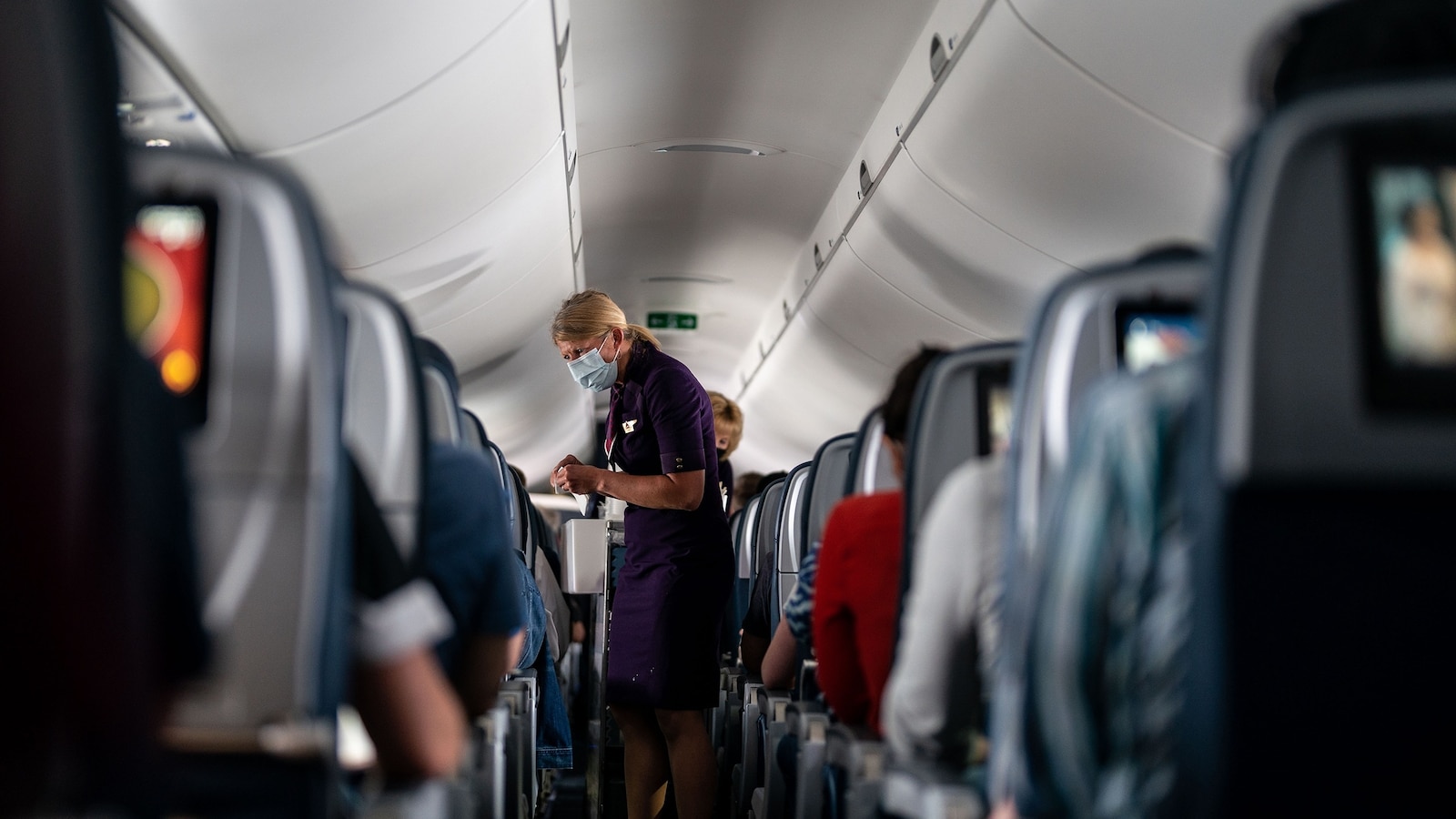
Delta Air Lines will stop offering food and beverage service on flights shorter than 350 miles, except in Delta First, while Comfort and Main passengers on routes of 350 miles or more will retain full snack and beverage service. The change affects less than 10% of Delta's daily flights and is aimed at creating a more consistent onboard experience. The policy is not unusual versus peers, as United and American already restrict service on short-haul routes.
The direct P&L impact is immaterial for DAL, but the signaling value matters: this is a low-cost way to tighten unit economics without touching fares, which is exactly the kind of incremental margin action that compounds in a mature airline. The larger second-order effect is competitive normalization—when the legacy carriers converge on similar short-haul service standards, the differentiation shifts further toward schedule, reliability, and premium cabins, where DAL tends to be better positioned than AAL and roughly in line with UAL. For DAL, this is mildly favorable because it reinforces a disciplined revenue-management narrative and may slightly improve customer-perceived consistency on the network. The risk is not demand destruction from snack removal; it's that repeated micro-cutbacks become a proxy for management needing to defend margins in a softer fare environment, which could matter more if leisure demand rolls over into late summer and fall. In that case, service rationalization can be read as a defensive move rather than an efficiency win. The more interesting trade is relative. AAL is structurally more vulnerable if the market starts to view this as another step in an industry-wide race to the bottom on product, because AAL has less pricing power and a weaker premium mix. UAL is less exposed operationally, but if peers adopt similar policies, it reduces one of the few visible cost gaps that can influence customer choice on ultra-short segments. Over 1-3 months, the catalyst is whether management commentary frames this as isolated housekeeping or as part of broader cost containment. Contrarian view: the consensus is likely overestimating the consumer backlash and underestimating the margin discipline signal. On sub-350-mile flights, service quality is rarely the booking driver; schedule and airport convenience are. That means the move can be margin-accretive with limited volume risk, especially if paired with better on-time performance, making the market’s reaction more likely to be noise than thesis-changing.
AI-powered research, real-time alerts, and portfolio analytics for institutional investors.
Request DemoOverall Sentiment
neutral
Sentiment Score
-0.05
Ticker Sentiment
