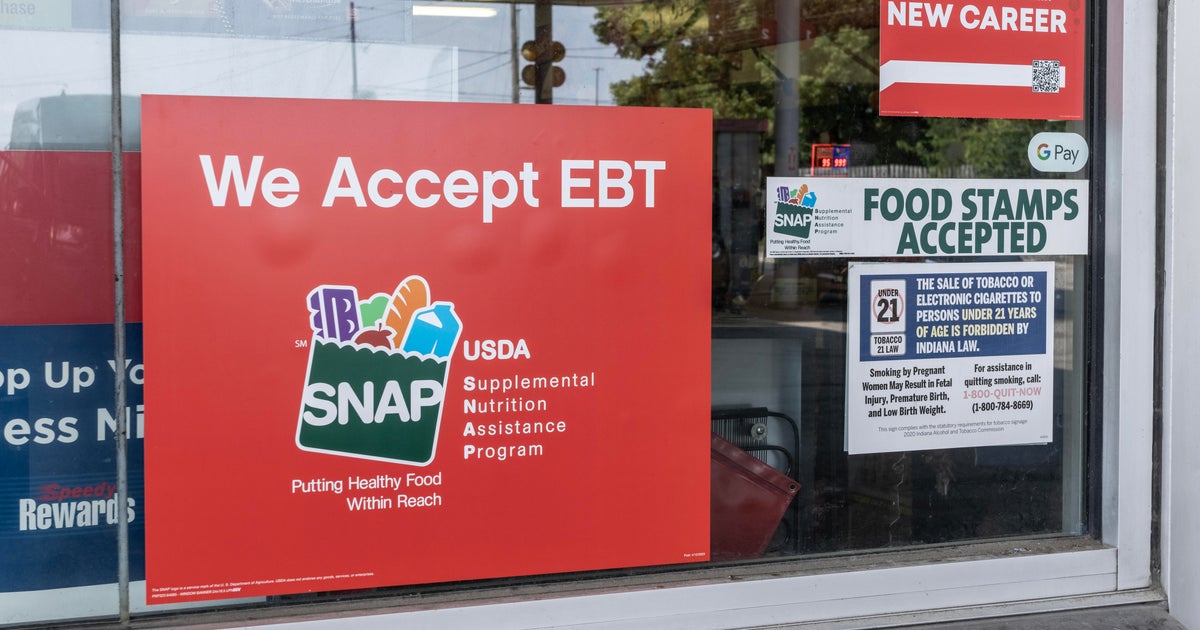
The U.S. Supplemental Nutrition Assistance Program (SNAP) faces a critical funding lapse on November 1st due to the government shutdown, impacting approximately 42 million beneficiaries who will not receive their scheduled monthly payments averaging $187. While existing EBT funds remain usable and experts anticipate retroactive payments post-shutdown, the immediate disruption is prompting several states, including Louisiana, Vermont, California, and New York, to allocate emergency funds or resources to mitigate food insecurity, despite the USDA's stance that states will not be reimbursed. This situation highlights significant fiscal pressure on states and potential legal challenges, as a coalition of 25 states and D.C. has sued the administration over the benefit suspension, underscoring the broad economic and social implications of the federal funding impasse.
The U.S. Supplemental Nutrition Assistance Program (SNAP) faces a critical funding lapse on November 1st due to the ongoing government shutdown, directly impacting approximately 42 million beneficiaries who will not receive their scheduled monthly payments, averaging $187 per person. The U.S. Department of Agriculture (USDA) has confirmed no benefits will be issued on this date, though existing EBT card balances from previous months will remain usable. This immediate disruption creates significant uncertainty for low-income households reliant on these funds for essential groceries.
In response, several states are taking emergency measures to mitigate food insecurity, despite the USDA's explicit statement that states lack authority to cover benefits and will not be reimbursed. Louisiana, Vermont, California ($80 million), and New York ($30 million) are among those allocating state funds or resources. Concurrently, a coalition of 25 states and the District of Columbia has filed a lawsuit against the administration, challenging the legality of the benefit suspension, which they note marks the first such delay in the program's history.
This federal impasse introduces fiscal strain on state budgets, diverting resources from other priorities, and creates short-term uncertainty for consumer spending, particularly within the consumer staples and retail sectors catering to lower-income demographics. While social service experts anticipate retroactive payments once the shutdown ends, the immediate lack of federal clarity and the USDA's non-reimbursement stance for state interventions underscore significant policy and budgetary risks.
AI-powered research, real-time alerts, and portfolio analytics for institutional investors.
Request DemoOverall Sentiment
strongly negative
Sentiment Score
-0.65
