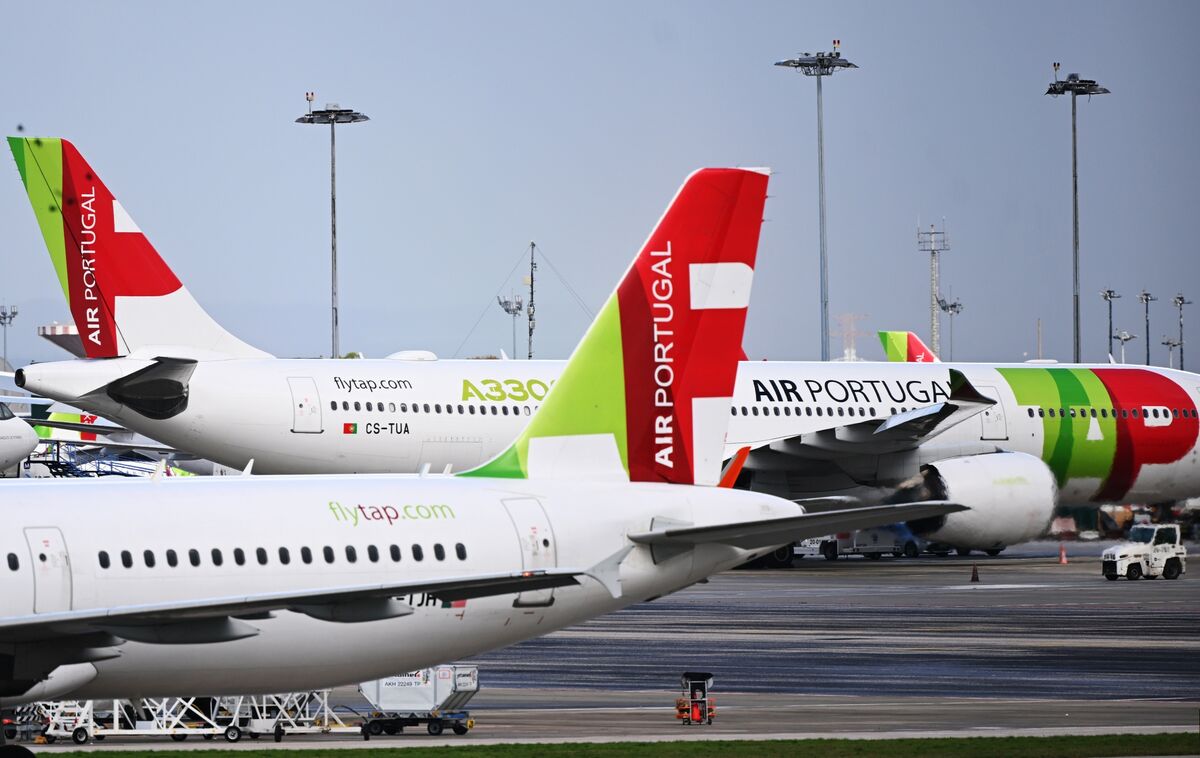
Three of Europe’s largest airline groups are expected to submit bids for a stake in state-owned TAP SA ahead of a deadline this week, Finance Minister Joaquim Miranda Sarmento said. Portugal says interest persists despite Iran war-driven oil volatility, highlighting TAP’s status as one of the last mid-sized European carriers with strong route links to South America, Africa, the US and Canada that make it attractive to rivals.
M&A in the European airline patch favors balance-sheet and asset plays more than operating synergies: lessors and MRO/engine suppliers capture most immediate upside from re-leasing, fleet reconfiguration and spare-parts demand, while acquirers bear integration, network optimization and labor risk that typically take 12–36 months to realize. Expect acquisition premia of 20–40% on announced deals but only partial margin uplift — realistic synergy capture is closer to 5–10% of combined opex over 2–3 years because slot overlap and regional cannibalization force capacity adjustments.
Fuel-price volatility is the dominant near-term swing factor for bid appetite and financing terms. A sustained move in jet fuel that equates to +$10–$20/bbl versus current levels will raise unit costs enough to force transaction renegotiations or contingent earn-outs; conversely, buyers can structure deal protection via fuel-linked adjustments, escrowed seller financing or extended lease-back structures to move cash risk off balance sheets within weeks of signing.
Primary tail risks are antitrust/slot remedies, financing withdrawal if credit spreads widen by >100–150bp, and a macro slowdown that reduces corporate long-haul demand over 6–12 months. Catalysts to watch are lender syndication outcomes, regulatory remedy filings and any public disclosure of condition precedents—each can flip probability of close within days-to-weeks. A reversal in oil back to lower levels for 30+ days materially improves buyer economics and can reaccelerate deal cadence.
Consensus overlooks two second-order effects: (1) lessors will be sellers of choice for deal financing, turning a perceived asset shortage into a liquidity source (benefitting large lessors’ balance-sheet optionality), and (2) route/slot rationalization will transfer value to incumbents that can densify hubs — not necessarily to the acquirer that overpays for unintegrated long-haul rights. That implies asymmetric upside in asset plays vs. operational acquirers.
AI-powered research, real-time alerts, and portfolio analytics for institutional investors.
Request DemoOverall Sentiment
neutral
Sentiment Score
0.10
