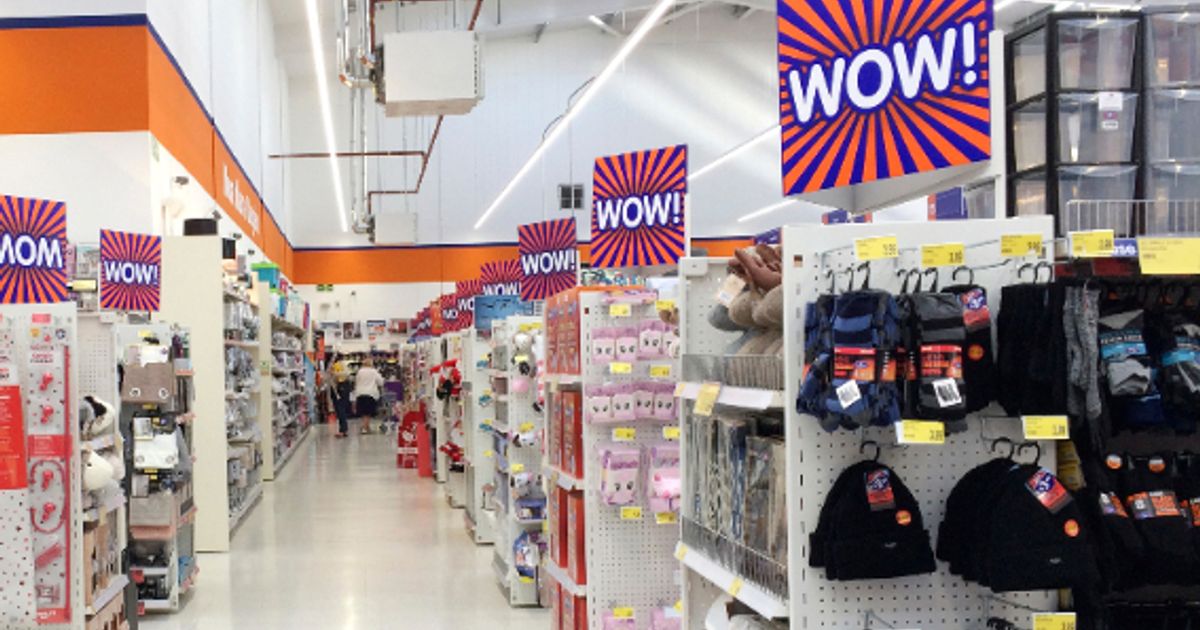
B&M reported Q3 group sales up 2.9% for the 13 weeks to 27 December, driven by new space while UK like-for-likes fell 0.6%; December LFLs returned to +3.0% and early January trading remained positive. The group trimmed full-year underlying EBITDA guidance to £440–475m (previously £470–520m; consensus £479m), prompting an initial ~2% share drop before partial recovery. Analysts welcomed signs of progress under CEO Tjeerd Jegen — citing improved LFLs, stock-availability trials and clearance activity — but flagged risks around margin investment and the need for deeper stock clearance and on-shelf availability spending.
Market structure: B&M (LSE:BME) benefits if UK consumers continue trading down; winners include other value discounters and FMCG suppliers with high SKU turns, losers are premium discretionary retailers (e.g., NXT.L, MKS.L) and suppliers with weak promotional flexibility. The guidance cut to £440–475m EBITDA implies margin reinvestment is compressing profits now but could rebuild share if LFLs sustain >0% for 2–3 months; bonds and credit spreads for retail issuers may widen modestly (10–30bp) on earnings volatility, while GBP moves are likely immaterial absent broader macro shocks. Supply/demand signals: improved December LFLs (+3.0%) and clearance-driven stock availability imply demand elasticity to price/promotions; if promotion intensity stays high, supplier order patterns may shift toward shorter lead times and lower working capital needs.
Risk assessment: Tail risks include a sharper UK consumer squeeze (CPI-driven real income shock) that pushes LFLs back to -3%+ within 3–6 months, and execution risk that deeper clearance permanently damages full-price sell-through and gross margins. Immediate horizon (days–weeks): market reaction to trading update already priced; short-term (weeks–months): EBITDA downgrade risk and further margin calls; long-term (quarters): structural share gains are possible if management sustains on-shelf availability and SKU rationalization. Hidden dependencies include supplier funding and promotional finance, and catalysts are FY trading days, March supplier negotiations, and any November–December LFL streak confirmation.
Trade implications: Direct play: establish a small asymmetric long in BME (see decisions) sized to exploit cash generation and potential re-rating if LFLs hold positive for two consecutive months; pair trade: long BME vs short NXT.L (or MKS.L) to capture downshift; options: buy a 12-month call spread on BME to cap premium while retaining upside, or buy short-dated puts as hedge if promotional mix intensifies. Sector rotation: overweight UK value retail/consumer staples by +3–5% and underweight premium apparel/discretionary by -3–5% over next 6–12 months.
Contrarian angles: Consensus focuses on margin pain but underweights that early conversion of discontinued lines and improved stock accuracy can unlock immediate cash and reduce markdown frequency; the market reaction (≈2% intraday dip) is likely underdone relative to 12–18 month upside if EBITDA stabilizes >£450m. Historical parallels: post-recession discount retailers (post-2009) recovered faster than peers when they improved availability even at margin cost. Unintended consequence: aggressive clearance could reset customer price expectations, so monitor gross margin % and promotional depth as leading indicators (watch gross margin decline >150bp quarter-on-quarter as a red flag).
AI-powered research, real-time alerts, and portfolio analytics for institutional investors.
Request DemoOverall Sentiment
mildly negative
Sentiment Score
-0.30
Ticker Sentiment
