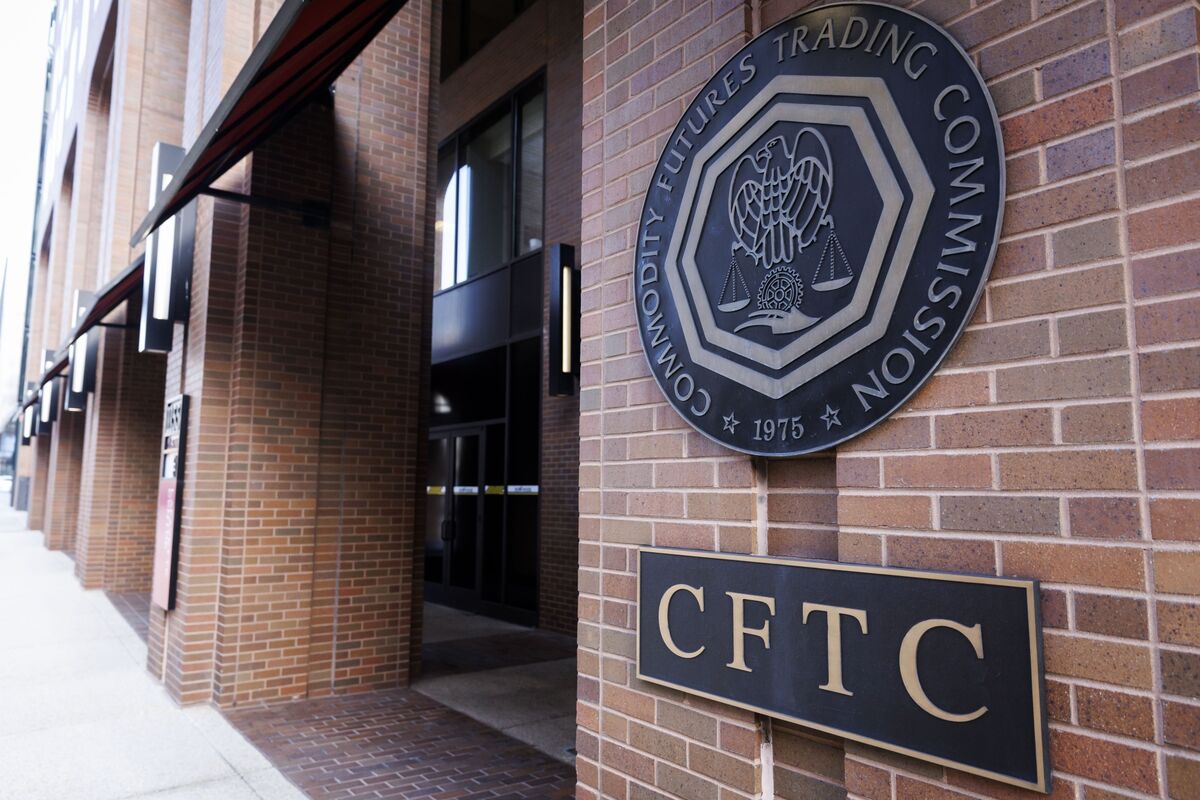
The CFTC unveiled a proposal to tighten oversight of prediction markets and restrict bets tied to war, terrorism, and assassination. The move reinforces the agency’s claim of exclusive jurisdiction over the multibillion-dollar industry and could raise compliance costs for market operators. The immediate market impact appears limited, but the rule could affect product design and trading activity in event-driven contracts.
This is less about one venue’s product mix and more about whether the prediction-market model can graduate from novelty flow to regulated financial infrastructure. A tighter definition of prohibited contracts raises the compliance cost of the whole sector, which should advantage the best-capitalized operators and the exchange/clearing stack around them while compressing economics for smaller platforms that rely on controversial event volume to drive engagement. The second-order effect is a push toward more “politically safe” contracts and away from headline-grabbing binaries, which likely lowers user acquisition efficiency in the near term but improves survivability under regulatory scrutiny. The more important market implication is that regulators are signaling they view these products as adjacent to derivatives/volatility rather than pure entertainment. That framing increases the probability of broader rulemaking on KYC, market surveillance, position limits, and data retention over the next 6-18 months. If that happens, the winners are firms with compliance tooling, broker/dealer relationships, and the ability to warehouse legal risk; the losers are thinly capitalized app-first challengers and any partner ecosystem monetizing event-driven traffic. The consensus may be overestimating how quickly this becomes a revenue hit and underestimating how bullish it is for industry concentration. In the near term, the crackdown can actually improve unit economics for incumbents by reducing the number of marginal participants and making the venue more institutionally acceptable. The real downside risk is not immediate volume loss but a slow re-rating of the category if the rulemaking expands from “war bets” into a broader limitations regime that constrains innovation and makes the entire asset class less investable.
AI-powered research, real-time alerts, and portfolio analytics for institutional investors.
Request DemoOverall Sentiment
neutral
Sentiment Score
-0.05
