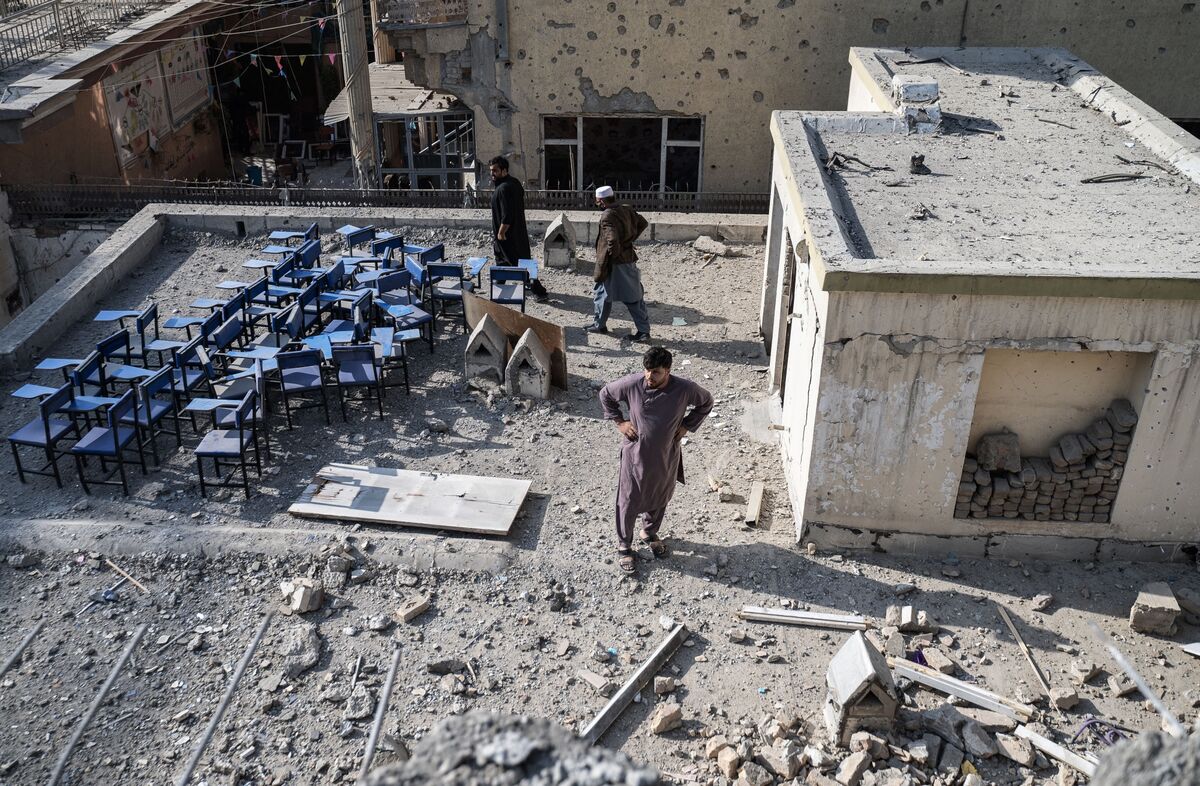
Pakistan and Afghanistan have agreed to resume peace talks and maintain a ceasefire, a development mediated by Turkey and Qatar that aims to bolster a previously reached agreement. Further implementation mechanisms are slated for discussion at a principal-level meeting in Istanbul on November 6, signaling potential progress in regional stability.
Pakistan and Afghanistan have agreed to resume peace talks and maintain a ceasefire, mediated by Turkey and Qatar, aiming to solidify a prior agreement. This development represents a constructive step towards de-escalation in a historically volatile region, fostering moderately positive sentiment. The commitment to dialogue suggests a potential reduction in geopolitical friction.
A principal-level meeting on November 6 in Istanbul is scheduled to discuss further implementation mechanisms, providing a concrete timeline for assessing progress. While no direct corporate financial tickers are identified, the optimistic tone and moderate market impact score (0.4) suggest an indirect influence on regional investor confidence.
This geopolitical shift could potentially reduce perceived political risk premiums across South Asian and Middle Eastern markets. Such improved stability may create a more favorable environment for regional investments, warranting attention to broader economic implications rather than specific corporate exposures.
AI-powered research, real-time alerts, and portfolio analytics for institutional investors.
Request DemoOverall Sentiment
moderately positive
Sentiment Score
0.60
